5 Engaging Ways How to Design a Sensory Garden
The scent of damp humus and the turgor pressure of a hydrated leaf define the baseline of horticultural success. When you learn how to design a sensory garden, you are not merely arranging plants; you are engineering a biological interface. This process requires precise spatial planning and an understanding of plant physiology to ensure every texture, scent, and sound is supported by a robust rhizosphere. Success depends on the intersection of soil chemistry and sensory architecture.
Materials:
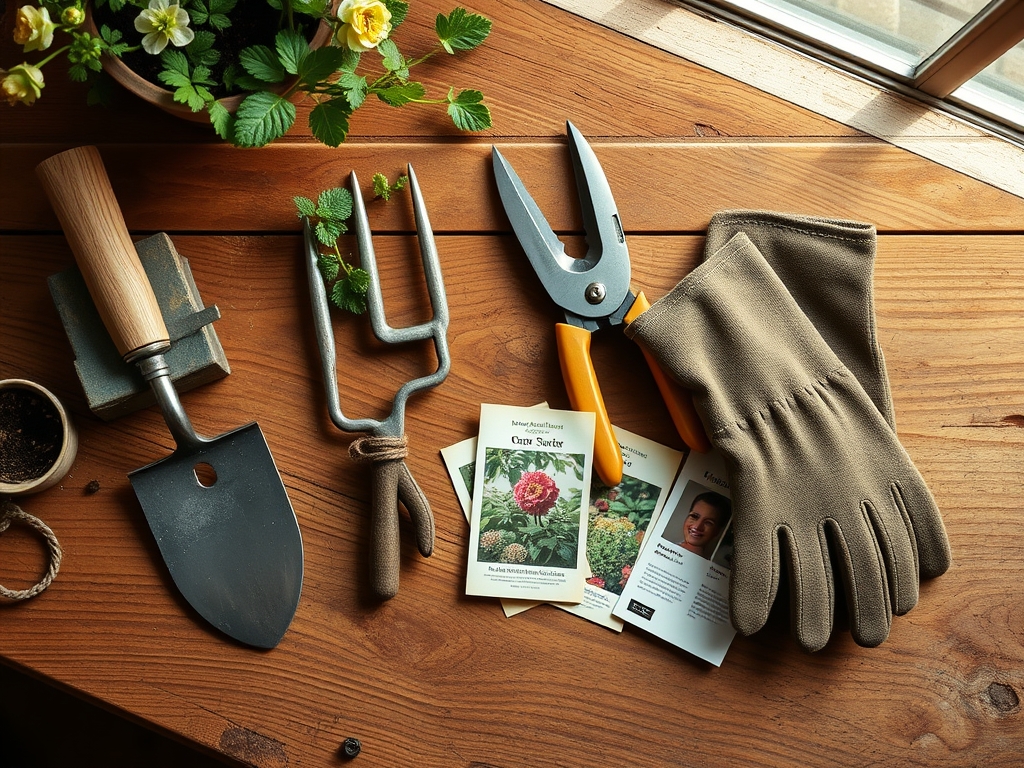
A sensory garden requires a substrate that supports diverse root morphologies. You must aim for a **friable loam** with a **Soil Cation Exchange Capacity (CEC) above 15 milliequivalents per 100 grams**. This ensures the soil can hold and exchange essential cations like Calcium and Magnesium.
For the auditory and visual components, such as ornamental grasses, utilize a balanced 10-10-10 NPK ratio to support structural integrity. For high-scent flowering species like Lavandula or Jasminum, shift to a 5-10-10 NPK ratio. High phosphorus levels are critical for ATP production during the flowering stage. Maintain a soil pH between 6.2 and 6.8 to ensure maximum bioavailability of micronutrients. If the pH drops below 5.5, aluminum toxicity can inhibit root elongation, ruining the tactile experience of the plant.
Timing:
Implementation must align with your specific USDA Hardiness Zone. In Zones 5 through 7, the primary planting window opens when soil temperatures consistently reach 55 degrees Fahrenheit. This temperature threshold triggers the metabolic transition from dormancy to active vegetative growth.
Understanding the "Biological Clock" is essential for sensory sequencing. The transition from the vegetative stage to the reproductive stage is governed by the photoperiod. Short-day plants require long periods of darkness to trigger flowering, while long-day plants respond to extended light. Map your garden so that the sensory peaks (bloom times) are staggered across the growing season. This prevents a "sensory gap" during the heat of mid-summer when high evapotranspiration rates can lead to temporary wilting and loss of fragrance.
Phases:

Sowing and Site Preparation
Clear the site of all perennial weeds using a hori-hori knife to ensure you extract the entire taproot. Incorporate organic matter to a depth of 12 inches. When sowing seeds for tactile plants like Stachys byzantina (Lamb's Ear), ensure seed-to-soil contact is absolute.
Pro-Tip: Utilize mycorrhizal inoculants during sowing. This symbiotic relationship between fungi and roots increases the surface area for water absorption, ensuring the plant maintains high turgor pressure even during dry spells.
Transplanting
When moving nursery stock into the garden, avoid root binding. Score the root ball to encourage lateral growth into the new soil matrix. Set the plant so the crown is level with the soil surface to prevent stem rot.
Pro-Tip: Apply a kelp-based liquid fertilizer immediately after transplanting. The natural auxins in kelp help suppress transplant shock by stimulating rapid root initiation, allowing the plant to establish its hydraulic connection to the soil faster.
Establishing the Sensory Layers
Arrange plants in tiers to maximize interaction. Place low-growing, high-scent herbs like Thymus along path edges where foot traffic will bruise the leaves and release essential oils. Use taller, rustling species like Miscanthus in the background to capture wind.
Pro-Tip: Practice apical dominance management. By pinching back the leading shoots of aromatic herbs, you redirect auxins to lateral buds. This creates a bushier plant with more surface area for scent production and tactile interaction.
The Clinic:
Physiological disorders can quickly diminish the sensory quality of your garden. Monitor your plants for these specific indicators:
- Nitrogen Chlorosis: Older leaves turn pale yellow while veins remain slightly green. Fix-It: Apply a high-nitrogen side-dressing or blood meal to restore chlorophyll production.
- Blossom End Rot: Dark, sunken spots on the base of fruit or flowers, caused by localized Calcium deficiency. Fix-It: Maintain consistent soil moisture levels to ensure Calcium transport via the xylem is not interrupted.
- Interveinal Chlorosis: Yellowing between leaf veins on new growth, indicating Iron deficiency, often caused by high pH. Fix-It: Apply chelated iron and lower soil pH using elemental sulfur.
- Leaf Scorch: Browning of leaf margins due to excessive salt buildup or rapid desiccation. Fix-It: Flush the soil with 2 inches of water to leach salts and provide afternoon shade.
Maintenance:
Precision maintenance is the difference between a surviving garden and a thriving one. Deliver 1.5 inches of water per week directly to the drip line. Avoid overhead irrigation, which can lead to fungal pathogens and dilute the volatile oils responsible for fragrance.
Use a soil moisture meter daily to check the top 4 inches of the substrate. Prune spent blooms using bypass pruners to prevent the plant from entering senescence (biological aging). Removing dead headers forces the plant to remain in the reproductive phase, extending the visual and olfactory season. Every three years, perform a professional soil test to recalibrate your NPK and micronutrient applications based on the current cation exchange capacity.
The Yield:
If your sensory garden includes edible or aromatic harvests, timing is dictated by oil concentration. Harvest aromatic herbs like rosemary or lavender just as the sun evaporates the morning dew but before the heat of the day volatilizes the essential oils.
Use a sharp blade to make clean cuts; ragged edges increase the rate of transpiration and lead to rapid wilting. For "day-one" freshness, immediately submerge the stems in 40-degree Fahrenheit water to remove field heat and maintain cellular turgor. This "hydro-cooling" process slows down the metabolic rate, preserving the sensory qualities of the plant for longer periods.
FAQ:
What is the best soil for a sensory garden?
A well-draining friable loam with a pH of 6.2 to 6.8 is ideal. Ensure the soil has a high Cation Exchange Capacity (CEC) to facilitate the uptake of nutrients necessary for scent and texture development.
How much water does a sensory garden need?
Most sensory species require 1.5 inches of water per week. Use a soil moisture meter to ensure the root zone remains hydrated without becoming anaerobic, which can lead to root rot and loss of plant vigor.
Can I design a sensory garden in the shade?
Yes. Focus on tactile plants like Asarum (Wild Ginger) or visual plants like Hosta. While many aromatic plants require full sun for oil production, shade-tolerant species offer unique textures and deep green hues that enhance the sensory experience.
How do I keep my sensory garden blooming longer?
Practice consistent deadheading to prevent the plant from producing seeds and entering senescence. Maintaining a balanced 5-10-10 NPK ratio during the peak growing season will also provide the phosphorus needed for continuous flower production.