9 Expert Ways How to Build a Natural Swimming Pond
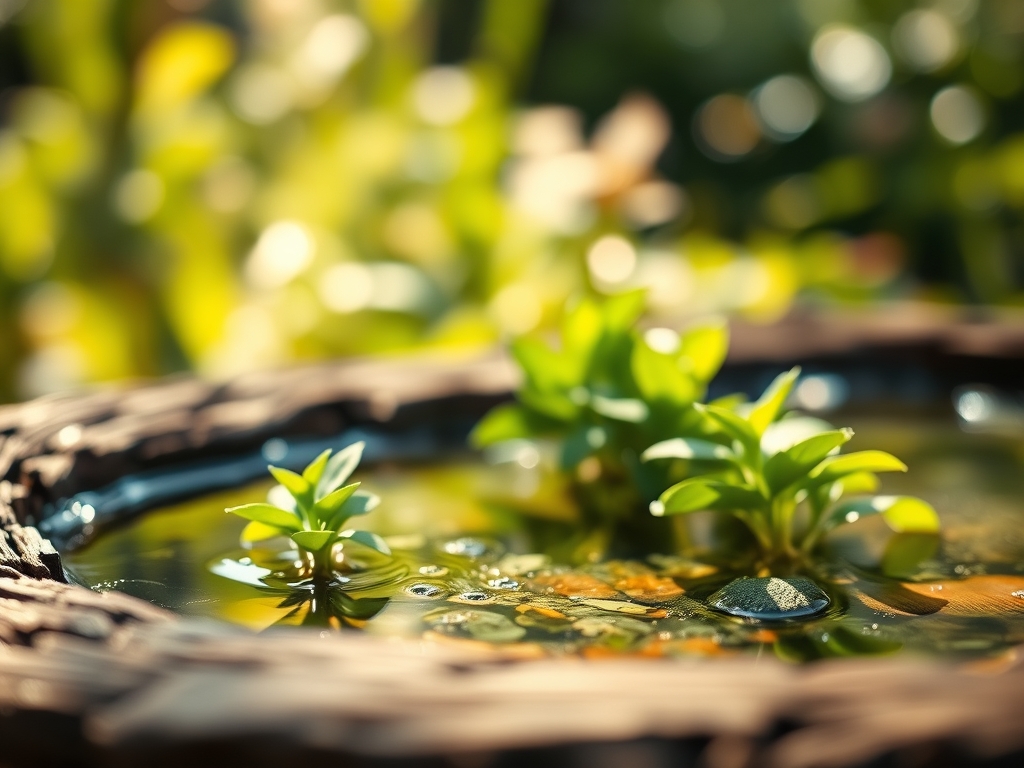
The sharp scent of wet bentonite clay and the cold resistance of water-saturated aggregate define the initial stages of a successful aquatic ecosystem. Understanding how to build a natural swimming pond requires a shift from chemical sterilization to biological filtration. You are not merely digging a hole; you are constructing a living vessel where turgor pressure in marginal plants and the metabolic rate of aerobic bacteria maintain clarity. Success depends on the precise balance between the regeneration zone and the swimming area. A 1:1 ratio of planting area to swimming volume is the standard for ensuring the rhizosphere can effectively process organic loads. Without this equilibrium, the pond will succumb to eutrophication. This guide outlines the technical requirements for establishing a self-sustaining aquatic environment that functions through biological competition rather than synthetic additives.
Materials:

The foundation of a natural pond relies on the **Cation Exchange Capacity (CEC)** of the substrate. For the regeneration zone, use a **friable loam** mixed with washed pea gravel. Avoid standard potting soils containing high organic matter, as these release excessive phosphorus. The ideal substrate pH should sit between **6.5 and 7.5**. High alkalinity can lead to calcium carbonate precipitation, while acidic conditions inhibit the nitrification process.
For the biological filter, utilize expanded clay aggregates or volcanic rock. These materials provide a massive surface area for nitrifying bacteria. When selecting plants, consider their nutrient requirements. Heavy feeders like Typha (cattails) require a substrate with a base NPK ratio of 10-5-10 in the form of slow-release aquatic spikes. Submerged oxygenators require lower nitrogen levels to prevent algae blooms; a ratio of 5-10-5 is preferable to encourage root development over excessive foliage growth. Ensure all liners are 45 mil EPDM or reinforced polyethylene to withstand hydrostatic pressure.
Timing:
Construction must align with local Hardiness Zones. In Zones 4 through 7, excavation should begin in early spring once the ground has thawed and the risk of heavy frost has passed. This allows for a full growing season of establishment before winter senescence. The "Biological Clock" of a natural pond is dictated by water temperature. Biological activity begins when water temperatures consistently reach 50 degrees Fahrenheit.
The transition from the vegetative stage to the reproductive stage in aquatic plants typically occurs during the summer solstice when the photoperiod is at its peak. Planting should be completed at least six weeks before the first frost date to allow root systems to anchor into the substrate. In warmer climates (Zones 8-10), construction can occur year-round, but mid-summer planting should be avoided to prevent heat stress and low dissolved oxygen levels during the initial establishment phase.
Phases:
Sowing and Substrate Preparation
Before introducing water, the regeneration zone must be layered. Start with a 2-inch base of coarse sand followed by the nutrient-rich substrate. If using seeds for marginal grasses, ensure they are pressed firmly into the damp soil to prevent buoyancy issues once the pond is filled.
Pro-Tip: Utilize mycorrhizal symbiosis by inoculating the substrate with beneficial fungi. This increases the surface area of the roots, allowing for more efficient phosphorus uptake and protecting the plants from pathogens.
Transplanting Aquatic Flora
When moving nursery-grown plants into the pond, remove all non-aquatic soil from the root ball. Use a hori-hori knife to create deep vertical slits in the gravel. Position the crown of the plant exactly at the water line to prevent rot.
Pro-Tip: Maintain auxin suppression by pruning the lead shoots of aggressive spreaders like Mentha aquatica. This forces the plant to invest energy into lateral root growth, which improves the filtration capacity of the marginal zone.
Establishing the Bio-Filter
Once the pond is filled, the circulation pump must run continuously. The goal is to establish a biofilm on the filter media. Do not introduce fish or heavy bather loads during the first 21 to 30 days. This period allows the nitrogen cycle to stabilize.
Pro-Tip: Observe phototropism in your submerged plants. If they are reaching aggressively toward the surface with long internodes, the water clarity is low or the depth is too great for the specific species, indicating a need for mechanical filtration adjustment.
The Clinic:
Physiological disorders in a natural pond are often visible through the foliage of the marginal plants.
- Symptom: Nitrogen Chlorosis. Leaves turn pale yellow starting from the oldest growth while veins remain green.
- Solution: Insert a high-nitrogen aquatic fertilizer tab (12-0-0) directly into the root zone.
- Symptom: Iron Deficiency. New growth appears bleached or white, particularly in high pH water.
- Solution: Use chelated iron supplements. Lower the pH to 7.0 to increase iron bioavailability.
- Symptom: Low Turgor Pressure. Plants appear wilted despite being in water.
- Solution: Check for root rot or high salinity. Perform a 20 percent water change using dechlorinated water.
- Symptom: Excessive Algal Growth. Green water or string algae covering the substrate.
- Solution: Increase the density of submerged oxygenators like Elodea canadensis to outcompete the algae for nutrients.
Maintenance:
A natural pond requires rigorous data-driven management. Use a soil moisture meter on the surrounding berms to ensure the terrestrial-aquatic transition zone stays hydrated. Marginal plants require approximately 1.5 inches of water per week above the pond level if they are not fully submerged.
Use bypass pruners to remove dead or decaying organic matter before it sinks to the bottom. This prevents the buildup of anaerobic sludge. Monthly testing of water chemistry is mandatory. Maintain ammonia and nitrite levels at 0 ppm. Nitrate levels should remain below 10 ppm to prevent opportunistic algae outbreaks. In autumn, install a leaf net to prevent excessive carbon loading from falling debris. Check the pump pre-filter weekly to ensure the flow rate remains at the designed gallons per hour (GPH) to maintain oxygenation levels.
The Yield:
While a swimming pond is a functional utility, the "yield" is the biomass produced in the regeneration zone. Harvesting aquatic plants like Iris pseudacorus or Phragmites should occur in late autumn. Cut the stalks to 3 inches above the water line using sharp shears to prevent crushing the vascular tissue. This removal of biomass is a critical step in nutrient cycling; by removing the plant material, you are physically removing the nitrogen and phosphorus the plants sequestered during the summer. For "day-one" freshness of harvested aquatic flowers, immediately submerge the stems in 65-degree Fahrenheit water and store them in a cool, dark location to maintain cell turgidity.
FAQ:
How deep should a natural swimming pond be?
The swimming area should be at least 6 to 8 feet deep. This depth helps maintain thermal stability and prevents the sun from heating the water too quickly, which reduces the risk of oxygen depletion and algae blooms.
Do natural ponds require a pump?
Yes, a pump is essential for moving water through the regeneration zone. Constant circulation ensures that nutrients reach the plant roots and that the water remains oxygenated, supporting the aerobic bacteria necessary for biological filtration and water clarity.
Can I have fish in a natural swimming pond?
You can, but it increases the biological load. Fish produce ammonia and waste that the plants must process. If you include fish, you must increase the size of the regeneration zone to compensate for the additional nutrient input.
How do I stop mosquitoes from breeding?
Moving water is the primary deterrent. Mosquitoes require stagnant water to lay eggs. The continuous circulation provided by the pump, combined with natural predators like dragonflies and backswimmers that inhabit the regeneration zone, effectively controls the mosquito population.