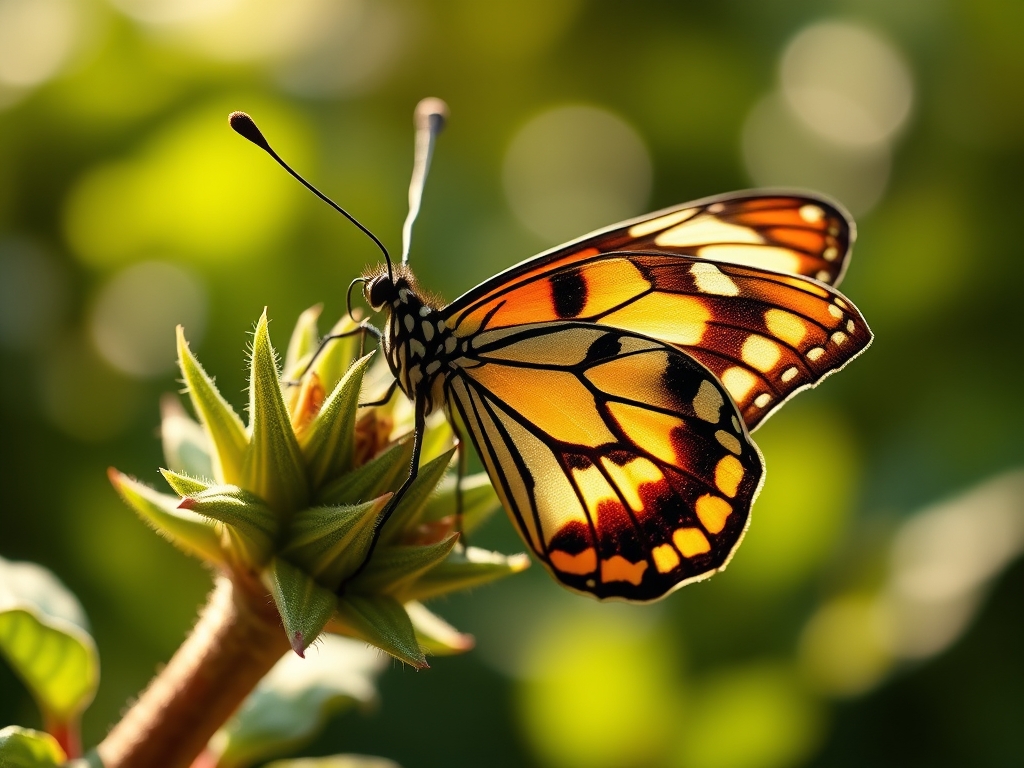
8 Best Host Plants for Butterflies
The smell of damp, anaerobic decomposition signals a healthy rhizosphere, but the true mark of a successful lepidoptera habitat is the mechanical shredding of leaf margins. Selecting the best host plants for butterflies requires more than aesthetic preference; it demands an understanding of larval nutritional requirements and plant secondary metabolites. High turgor pressure in a leaf ensures that neonate larvae can easily pierce the epidermis to access the nutrient-rich mesophyll layer. When the cellular structure is hydrated, the plant provides the necessary moisture for larval development without the insect needing an external water source. Successful cultivation hinges on matching the specific chemical profiles of host plants to the digestive enzymes of specialist caterpillars. This is a scientific endeavor where soil chemistry and plant physiology dictate the survival of the next generation. By focusing on indigenous species with high biomass production, a gardener can support significant populations of pollinators while maintaining a stable local ecosystem.
Materials:
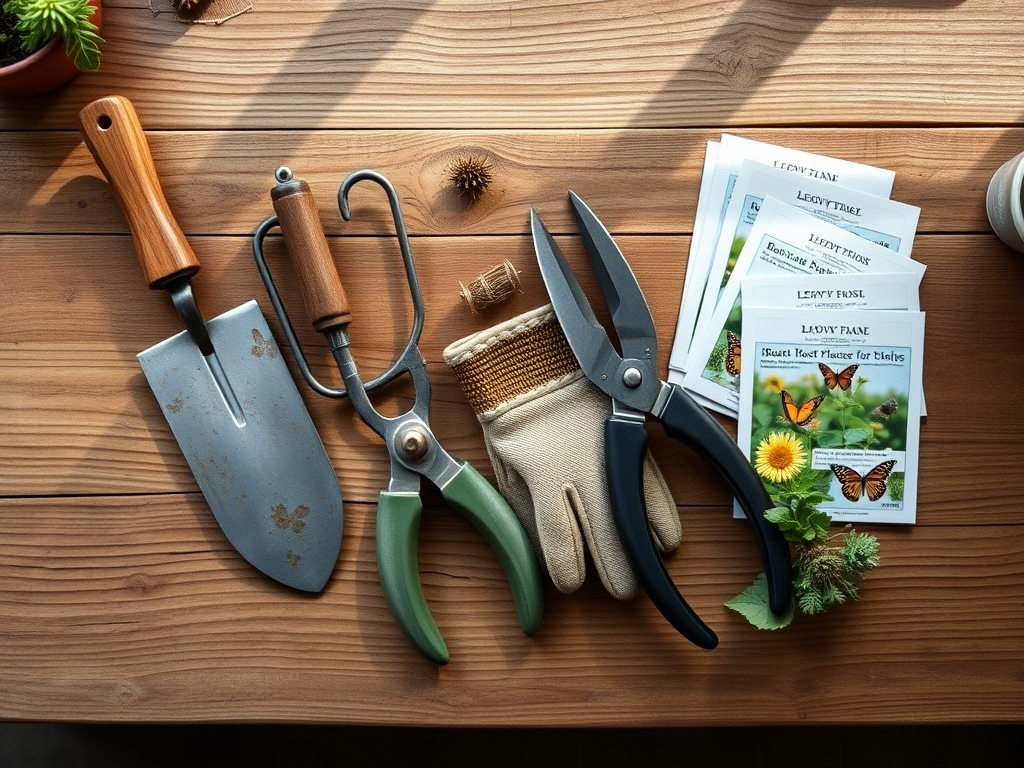
Substrate quality determines the success of these eight essential species. The ideal medium is a friable loam with a high Cation Exchange Capacity (CEC), allowing the soil to retain and exchange essential nutrients like calcium and magnesium.
- Asclepias syriaca (Common Milkweed): Requires a pH between 6.0 and 7.5. Use a balanced NPK ratio of 10-10-10 during the initial growth phase.
- Aristolochia macrophylla (Dutchman's Pipe): Prefers moist, well-drained soil with a pH of 5.5 to 7.0. High organic matter is essential.
- Passiflora incarnata (Maypop): Thrives in sandy loam. Requires a 5-10-10 fertilizer to prioritize root and flower development over excessive foliage.
- Zizia aurea (Golden Alexanders): Needs a pH of 6.0 to 7.0. It tolerates heavy clay but performs best in silty loam.
- Prunus serotina (Black Cherry): A deep-rooted tree requiring acidic to neutral soil (pH 5.0 to 7.5).
- Baptisia australis (False Indigo): Prefers a pH of 5.5 to 6.5. It fixes its own nitrogen, so avoid high-nitrogen fertilizers which lead to leggy growth.
- Foeniculum vulgare (Fennel): Requires a well-drained substrate with a pH of 6.0 to 7.0. Use a 10-10-10 slow-release granular fertilizer.
- Salix nigra (Black Willow): Thrives in wet, alluvial soils with a pH of 5.0 to 7.0.
Timing:
Success is governed by the USDA Hardiness Zones and the photoperiod. Most host plants should be established in Zones 3 through 9, depending on the species. For example, Asclepias requires cold stratification for 30 to 60 days at temperatures below 40 degrees Fahrenheit to break seed dormancy.
The biological clock of these plants is triggered by increasing day length and soil temperatures reaching a consistent 55 degrees Fahrenheit. The transition from the vegetative stage to the reproductive stage is a critical window. For perennial hosts, the first frost date in autumn signals the onset of senescence, where the plant pulls carbohydrates back into the root system or rhizomes for winter storage. Planting should occur at least six weeks before the first hard freeze to allow for root establishment.
Phases:
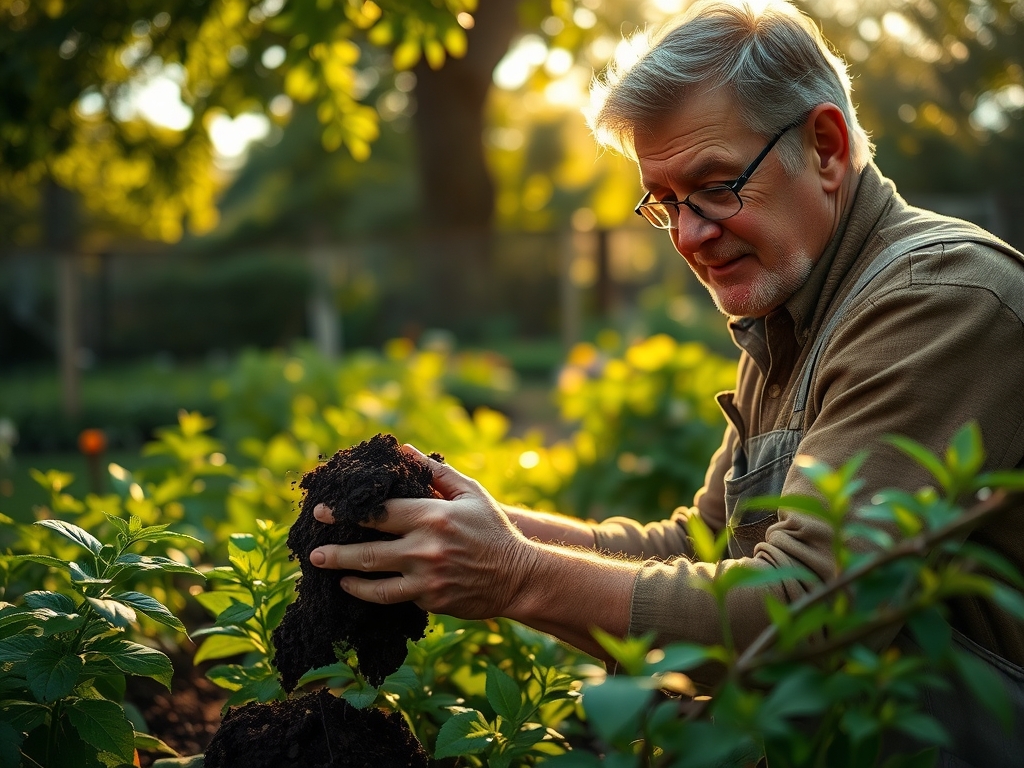
Sowing
Direct sow seeds that require cold stratification in late autumn. For spring sowing, use a sterilized seed-starting mix and maintain a consistent temperature of 70 degrees Fahrenheit.
Pro-Tip: Ensure proper seed-to-soil contact to facilitate imbibition. The biological why involves the activation of gibberellic acid within the seed, which triggers the production of amylase to break down starch into glucose for the emerging embryo.
Transplanting
When seedlings exhibit their second set of true leaves, transplant them into the field. Use a hori-hori knife to cut a clean vertical hole, ensuring the taproot is not J-rooted.
Pro-Tip: Apply a mycorrhizal inoculant to the root ball during transplanting. The biological why centers on mycorrhizal symbiosis, where fungal hyphae extend the root's reach, increasing the uptake of phosphorus and water in exchange for plant sugars.
Establishing
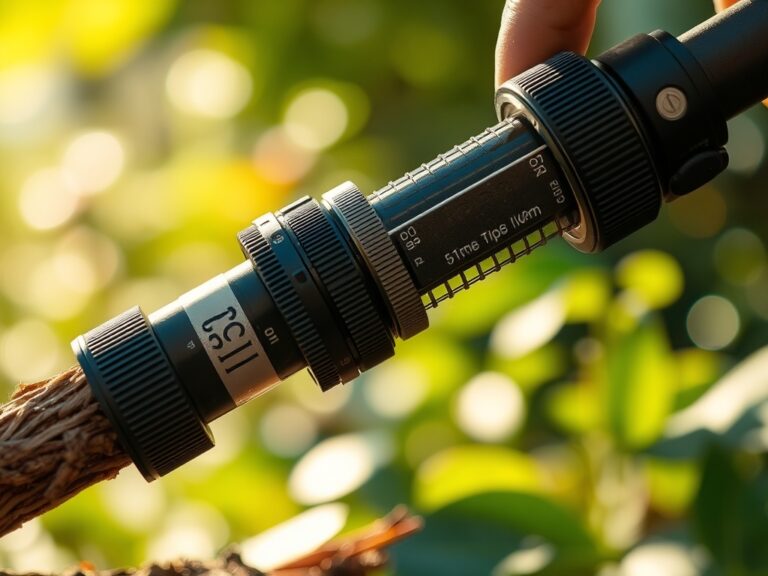
During the first growing season, maintain consistent moisture levels. Use a soil moisture meter to ensure the top 4 inches of soil remain damp but not saturated.
Pro-Tip: Avoid excessive overhead watering to prevent fungal pathogens. The biological why involves reducing the humidity in the phyllosphere, which limits the germination of fungal spores like powdery mildew that thrive in stagnant, moist air.
The Clinic:
Symptom: Interveinal chlorosis (yellowing between leaf veins) on young leaves.
Solution: This indicates an Iron deficiency, often caused by high soil pH. Apply chelated iron or lower the pH using elemental sulfur.
Symptom: Stunted growth and purple tinting on the underside of leaves.
Solution: This is a classic Phosphorus deficiency. Apply a high-phosphorus "starter" fertilizer or bone meal to the root zone.
Symptom: Marginal leaf burn or necrosis on older foliage.
Solution: This suggests Potassium deficiency or salt accumulation. Flush the soil with 2 inches of water and apply a sulfate of potash.
Fix-It: For general Nitrogen chlorosis (overall paling of the plant), apply a liquid seaweed or fish emulsion. Nitrogen is highly mobile; a quick-release organic liquid will restore chlorophyll production within 48 to 72 hours.
Maintenance:
Precision is the hallmark of professional maintenance. Provide 1.5 inches of water per week at the drip line, rather than at the base of the stem, to encourage lateral root expansion. Use bypass pruners for clean cuts; ragged edges increase the surface area for pathogen entry and cause unnecessary sap loss.
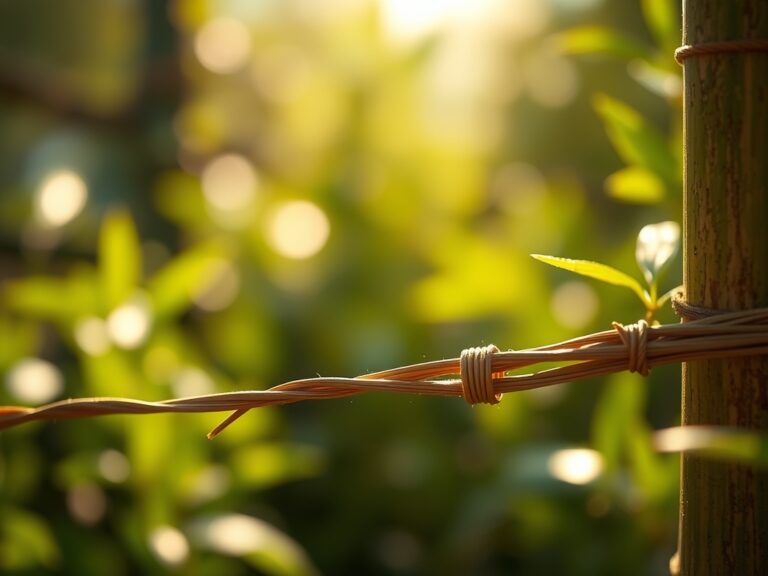
Mulch with 2 inches of shredded hardwood to regulate soil temperature and suppress weed competition, but keep the mulch 3 inches away from the plant crown to prevent fungal rot. Monitor for competition; invasive species can quickly outcompete host plants for sunlight and soil nutrients. If a plant becomes top-heavy, use a bamboo stake and soft twine to provide structural support without constricting the vascular tissue.
The Yield:
While the primary yield is larval biomass, many host plants provide secondary benefits like cut flowers or seeds. For Asclepias, harvest seed pods when they turn brown and begin to split. To maintain day-one freshness for cut flowers like Baptisia, harvest in the early morning when turgor pressure is at its peak. Immediately plunge the stems into 100-degree Fahrenheit water to remove air bubbles from the xylem, then transfer to a cool nutrient solution. This process, known as conditioning, ensures the vascular system remains patent and capable of transporting water to the floral head.
FAQ:
What is the best soil for milkweed?
Milkweed requires well-drained, friable loam with a pH between 6.0 and 7.5. It thrives in soils with high organic matter and a robust microbial population to support nutrient cycling and root health.
How much sun do butterfly host plants need?
Most host plants, including Asclepias and Passiflora, require a minimum of six to eight hours of direct solar radiation daily. Full sun exposure is necessary for the high photosynthetic rates required to produce larval forage.
Can I grow host plants in containers?
Yes, provided the container is at least 12 inches deep to accommodate taproots. Use a high-quality potting mix with perlite for aeration and maintain a strict fertilization schedule to compensate for nutrient leaching.
Why are my butterfly host plants dying?
Common causes include poor drainage leading to root rot, extreme pH imbalances, or lack of water during the establishment phase. Check for 1.5 inches of weekly moisture and ensure the soil is not compacted.