8 Best Evergreen Vines for Privacy
Crush a handful of damp humus and you will smell the geosmin; it is the scent of a healthy rhizosphere ready to support rapid cellular expansion. When selecting the best evergreen vines for privacy, the objective is high biomass production and consistent turgor pressure throughout the winter months. A privacy screen is not merely an aesthetic choice; it is a living structural barrier that must withstand desiccation and cold stress while maintaining its photosynthetic mantle. These woody perennials require specific environmental parameters to transition from juvenile growth to a dense, interlocking canopy. You are looking for species that exhibit high vigor and rapid lignification to ensure the screen remains structurally sound against wind loads. Selecting the right cultivar depends on your local Cation Exchange Capacity (CEC) and the specific light intensity of your site. Success requires more than just planting; it demands an understanding of the metabolic demands of vertical growth.
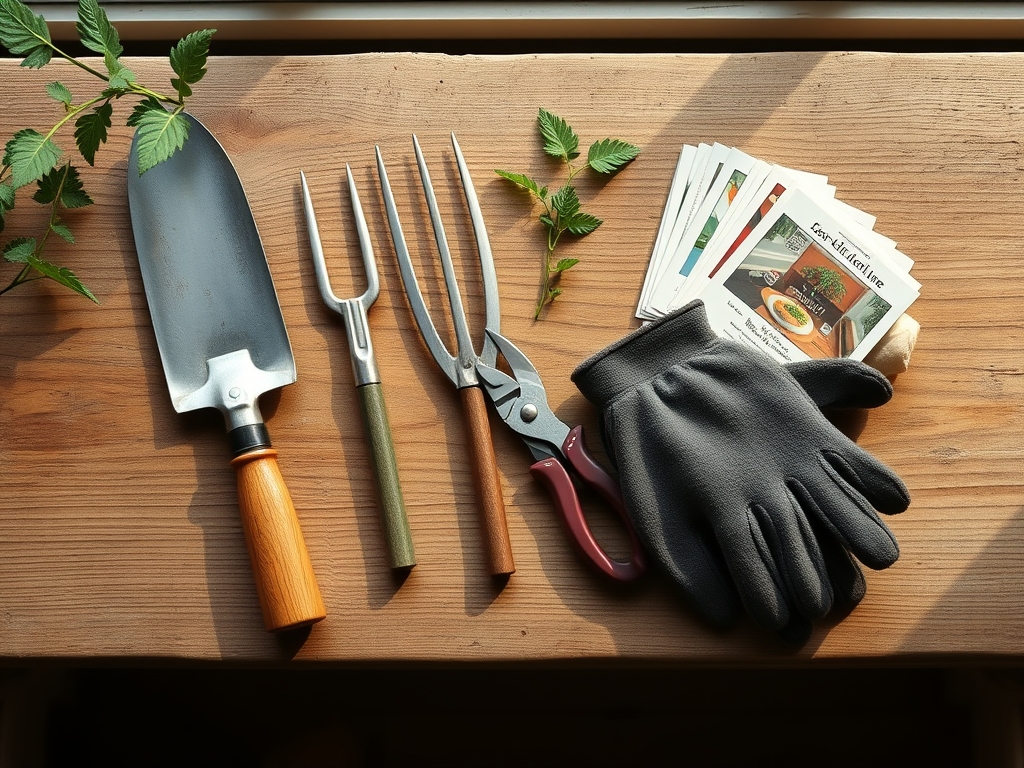
Materials:
The success of your privacy screen begins with the chemical composition of the substrate. Most evergreen vines thrive in a **friable loam** with a **pH range of 6.0 to 7.0**. This acidity level ensures that micronutrients like iron and manganese remain bioavailable. For high-biomass vines like *Trachelospermum jasminoides* (Star Jasmine) or *Clematis armandii*, you must establish a nutrient reservoir.
Incorporate organic matter to achieve a CEC of 15 to 25 meq/100g. This allows the soil to hold onto essential cations. During the initial growth phase, apply a fertilizer with an NPK ratio of 10-10-10 to support both root development and foliar expansion. For established vines, shift to a 5-10-10 ratio in late summer to encourage wood hardening and frost resistance. Avoid high nitrogen late in the season; it triggers succulent growth that is highly susceptible to ice crystallization within the cell walls.
Timing:
Evergreen vines should be installed during the dormant or semi-dormant window to minimize transplant shock. In Hardiness Zones 7 through 9, the ideal window is late autumn. This allows the root system to establish in soil temperatures between 45 and 55 degrees Fahrenheit before the spring surge. In colder Zones 5 and 6, spring planting is mandatory to ensure a full growing season before the first hard freeze.
The biological clock of these plants is governed by the photoperiod. As day length increases, the plant moves from a state of endodormancy into a vegetative stage characterized by high auxin production at the apical meristems. You must time your heavy pruning to coincide with the end of the flowering cycle but before the heat of mid-summer, which can cause excessive transpiration stress.
Phases:
Sowing and Selection
While many gardeners start from seed, the best evergreen vines for privacy are typically installed as two-gallon or five-gallon nursery stock. This ensures a developed root architecture. If starting from cuttings, use a rooting hormone containing 0.3 percent Indole-3-butyric acid to stimulate adventitious root formation. Ensure the cutting has at least two nodes submerged in a sterile perlite-peat medium.
Pro-Tip: Monitor the node spacing. Short internodes indicate high light intensity and balanced nutrition; leggy growth suggests a deficit in photon flux density. This is a result of photomorphogenesis, where the plant elongates cells to reach a light source.
Transplanting
Dig a hole twice the width of the root ball but no deeper than the original container. Deep planting can lead to stem rot and oxygen deprivation in the rhizosphere. Backfill with native soil amended with no more than 20 percent compost to prevent the "container effect," where roots refuse to penetrate the surrounding heavy clay.
Pro-Tip: Gently scarify the root ball with a hori-hori knife if the plant is pot-bound. This breaks the mechanical memory of the roots and encourages lateral branching through the disruption of apical dominance in the root tips.
Establishing
During the first 12 to 24 months, the vine is in its establishment phase. It requires consistent moisture to maintain cell turgor. Install a sturdy trellis or wire system immediately. These vines utilize various attachment mechanisms: some use adventitious rootlets, while others, like Lonicera sempervirens (Trumpet Honeysuckle), utilize twining stems.
Pro-Tip: Use soft ties to train the main leaders horizontally early on. This triggers gravitropism responses that encourage the growth of vertical secondary shoots, creating a much denser privacy screen than if the plant were allowed to grow straight up.
The Clinic:
Physiological disorders often mimic pathogen attacks but are usually rooted in environmental stress.
- Symptom: Interveinal chlorosis (yellowing leaves with green veins) on new growth.
- Solution: This indicates an Iron deficiency, often caused by a pH above 7.2. Lower the pH using elemental sulfur or apply chelated iron foliar spray.
- Symptom: Marginal leaf burn or browning tips.
- Solution: This is typically Salt Toxicity or desiccation. Flush the root zone with 3 inches of water to leach accumulated salts from synthetic fertilizers.
- Symptom: Purpling of older foliage.
- Solution: Phosphorus deficiency. This often occurs in cold, wet soils where phosphorus uptake is chemically inhibited. Apply a high-phosphate starter fertilizer.
- Fix-It: For general Nitrogen chlorosis (uniform yellowing of old leaves), apply a quick-release urea-based fertilizer at a rate of 0.5 lbs of N per 1,000 square feet.
Maintenance:
Precision is the difference between a sprawling mess and a functional screen. Use a soil moisture meter to ensure the root zone remains at 40 to 60 percent field capacity. Typically, this requires 1.5 inches of water per week delivered at the drip line via drip irrigation to prevent foliar fungal pathogens.
Pruning should be performed with sharp bypass pruners to ensure clean vascular cuts that heal quickly. For Hedera helix or Euonymus fortunei, mechanical shearing is acceptable once the vine has covered the support structure. Remove no more than 30 percent of the total leaf area in a single season to avoid starving the root system of carbohydrates.
The Yield:
For flowering evergreen vines like Gelsemium sempervirens (Carolina Jessamine), the "yield" is the floral display and the subsequent seed pods. If you are harvesting cuttings for propagation, do so in the early morning when turgor pressure is at its peak. Place the cuttings immediately in a 10 percent bleach solution for 30 seconds to sanitize, then move to a high-humidity environment to prevent wilting. This maintains "day-one" freshness and ensures the highest success rate for clonal propagation.
FAQ:
Which evergreen vine grows the fastest for privacy?
English Ivy (Hedera helix) and Honeysuckle (Lonicera) are the most aggressive. They can grow 3 to 5 feet per season once established. However, they require strict containment to prevent them from outcompeting native species in the surrounding landscape.
Can evergreen vines grow in full shade?
Fatshedera lizei and certain cultivars of English Ivy thrive in low-light conditions. These plants have adapted high chlorophyll concentrations to maximize photosynthetic efficiency in environments with low photon availability, making them ideal for north-facing walls.
How do I prevent my vine from damaging my house?
Avoid vines with adhesive disks or aerial roots like Trumpet Creeper on wood siding. Instead, install a standalone wire trellis system 4 to 6 inches away from the structure to allow for airflow and prevent moisture entrapment against the facade.
Do evergreen vines lose leaves in winter?
True evergreens maintain their foliage year-round. However, in extreme sub-zero temperatures, some species may experience "bronzing" or minor leaf drop. This is a survival mechanism to reduce transpiration when the ground is frozen and water uptake is impossible.
What is the best soil for evergreen vines?
A well-drained, sandy loam with a high organic matter content is ideal. Ensure the soil has a bulk density of 1.1 to 1.4 g/cm3 to allow for adequate gas exchange within the rhizosphere while providing mechanical support.