10 Advanced Ways How to Design a Rooftop Garden
Crushing a handful of damp, friable substrate reveals the earthy scent of geosmin, a byproduct of healthy actinobacteria. When a leaf maintains high turgor pressure, it stands rigid against the wind; this is the primary challenge of learning how to design a rooftop garden. High-altitude environments subject plants to increased transpiration rates and intense ultraviolet radiation. Success requires more than aesthetic placement; it demands an engineering mindset focused on load-bearing capacities and precise hydraulic management. You are building a synthetic ecosystem on a concrete slab. Every gram of soil and every liter of water must be accounted for in your structural calculations. By mastering the intersection of horticultural science and urban architecture, you transform a sterile roof into a high-functioning biological filter. This guide provides the technical data necessary to manage the unique microclimates found ten stories above the street, ensuring your rooftop installation thrives through physiological resilience rather than constant intervention.
Materials:
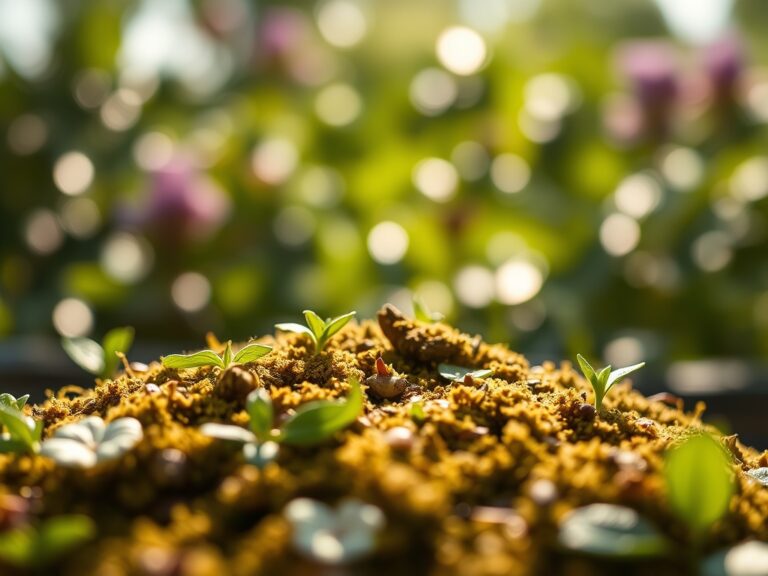
Standard garden soil is too heavy and lacks the drainage required for elevated containers. You must utilize a lightweight, engineered substrate with a high Cation Exchange Capacity (CEC) to retain nutrients against heavy leaching. The ideal rooftop medium is a "friable loam" composed of 60 percent expanded shale or clay, 30 percent high-quality compost, and 10 percent perlite.
Target a soil pH between 6.2 and 6.8 to ensure maximum bioavailability of micronutrients. For the initial establishment phase, utilize a slow-release granular fertilizer with an NPK ratio of 10-10-10. As plants transition into reproductive phases, shift to a 5-10-15 ratio to support root development and flowering without inducing excessive, weak vegetative growth. The physical texture must remain porous; if the medium compacts, oxygen cannot reach the rhizosphere, leading to anaerobic conditions and root rot. Ensure your drainage layer consists of a specialized dimpled membrane or a 2-inch layer of coarse aggregate to prevent water from pooling on the roof membrane.
Timing:
Rooftop microclimates often exist two weeks ahead of ground-level schedules due to the thermal mass of the building. In USDA Hardiness Zones 5 through 7, the spring planting window typically opens when overnight lows consistently stay above 45 degrees Fahrenheit. However, the "Biological Clock" of your garden is governed by the photoperiod.
Long-day plants require more than 12 hours of light to trigger the transition from vegetative to reproductive stages. Conversely, heat-sensitive crops will enter senescence prematurely if ambient temperatures on the roof exceed 90 degrees Fahrenheit for more than three consecutive days. Monitor the local frost-date windows closely, but prioritize the soil temperature. Do not transplant until the substrate reaches a steady 60 degrees Fahrenheit at a depth of four inches. This ensures the root system can immediately begin nutrient uptake to support the rapid transpiration demands of the windy rooftop environment.
Phases:

Sowing
Direct sowing on a roof requires protection from wind desiccation. Seeds should be planted at a depth exactly three times their diameter. Use a fine mist to hydrate the area, ensuring the top 0.5 inches of substrate remains moist until germination.
Pro-Tip: Utilize a biological inoculant containing mycorrhizal fungi. This symbiotic relationship extends the root system's reach, allowing the plant to access water and phosphorus that would otherwise be chemically bound to soil particles.
Transplanting
When moving seedlings from a nursery to the roof, you must "harden off" the plants over seven days to prevent transplant shock. Dig a hole twice the width of the root ball. Ensure the crown of the plant sits exactly level with the soil surface to prevent stem canker.
Pro-Tip: Apply a diluted seaweed extract during transplanting to provide cytokinins. These hormones stimulate cell division in the roots, helping the plant overcome the physical stress of relocation and rapid wind exposure.
Establishing
During the first six weeks, the focus is on structural integrity. Prune early flower buds to redirect energy toward root establishment and stem thickness. This suppression of apical dominance encourages a sturdier, bushier habit that can withstand high-velocity gusts.
Pro-Tip: Practice auxin suppression by pinching the terminal buds. This signals the plant to distribute growth hormones to lateral buds, creating a lower center of gravity and reducing the risk of the plant toppling in high winds.
The Clinic:
Physiological disorders on rooftops are often mistaken for disease when they are actually environmental stresses.
- Symptom: Interveinal Chlorosis. The leaves turn yellow while the veins remain green.
- Solution: This indicates an Iron deficiency, often caused by a pH above 7.0. Lower the pH using elemental sulfur or apply chelated iron foliar spray.
- Symptom: Blossom End Rot. A dark, leathery spot appears on the bottom of fruit.
- Solution: This is a Calcium transport issue. It is rarely a lack of calcium in the soil but rather inconsistent moisture. Maintain steady irrigation to ensure calcium moves through the xylem.
- Symptom: Leaf Scorch. Edges of the leaves turn brown and crisp.
- Solution: This is caused by excessive transpiration. The roots cannot move water fast enough to replace what is lost to the wind. Install a windbreak or use an anti-transpirant spray.
- Fix-It: Nitrogen Chlorosis. If the entire plant is pale green and growth is stunted, apply a quick-release 20-0-0 fertilizer to immediately boost chlorophyll production.
Maintenance:
Precision is the difference between a surviving garden and a thriving one. Use a soil moisture meter daily; rooftop containers can dry out in less than six hours during a heatwave. Aim for 1.5 inches of water per week delivered at the drip line via a drip irrigation system to minimize evaporation.
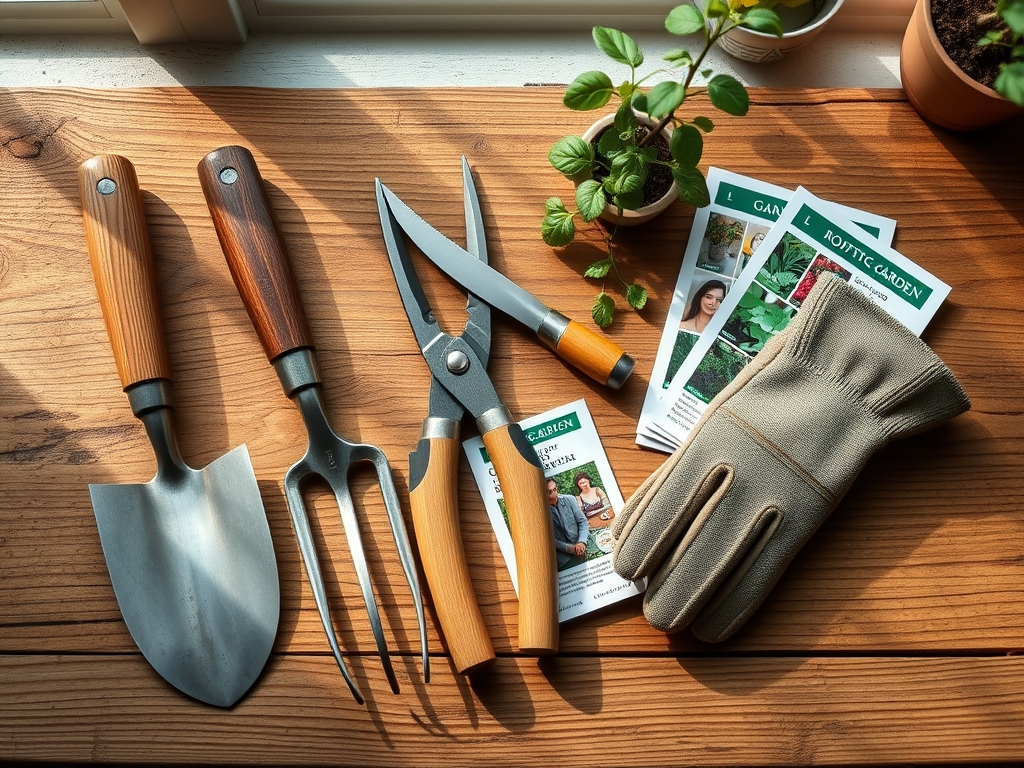
Keep your bypass pruners sharp and sanitized with 70 percent isopropyl alcohol to prevent the spread of pathogens. Use a hori-hori knife for weeding and measuring planting depths; its serrated edge is essential for slicing through the dense root mats that form in limited container space. Annually, top-dress the containers with 1 inch of fresh compost to replenish the organic matter consumed by the soil microbiome. Monitor for salt buildup from synthetic fertilizers by flushing the containers with clear water once every mid-season.
The Yield:
Harvesting on a rooftop requires timing to beat the midday sun. Harvest leafy greens and herbs at 06:00 AM when the cells are at maximum turgidity. For fruiting plants, use shears to cut the pedicel rather than pulling, which can damage the main vascular system.
Post-harvest handling is critical for "day-one" freshness. Immediately submerge harvested greens in a 40-degree Fahrenheit water bath to remove field heat and lock in moisture. For woody herbs, wrap the stems in a damp paper towel and store them in a sealed container at 35 to 38 degrees Fahrenheit. This rapid cooling slows down the plant's respiration rate, preserving the sugars and volatile oils that provide flavor and nutritional density.
FAQ:
How much weight can a standard roof hold for a garden?
Most modern flat roofs support 15 to 20 pounds per square foot. However, intensive gardens require structural reinforcement. Always consult a structural engineer to verify the load-bearing capacity before installing heavy planters or saturated substrate.
What is the best way to prevent wind damage?
Install permeable windbreaks like trellises or mesh screens rather than solid walls. Solid walls create turbulence, while permeable barriers reduce wind velocity by 50 to 60 percent without creating destructive eddies that snap stems.
Do rooftop gardens require special drainage?
Yes. You must use a multi-layer system including a root barrier, a drainage layer, and a filter fabric. This prevents fine soil particles from clogging the roof's primary drainage scuppers and protects the waterproof membrane from root penetration.
Which plants are best for high-wind rooftop environments?
Select plants with low profiles or flexible stems. Succulents, ornamental grasses, and Mediterranean herbs like rosemary or thyme are ideal. These species have evolved small leaf surface areas or waxy cuticles to minimize water loss during high-velocity wind events.