10 Best Potpourri Garden Flowers to Grow
The smell of damp earth and the high turgor pressure of a hydrated stem signify a garden ready for production. Selecting the best potpourri garden flowers requires more than aesthetic preference; it demands an understanding of volatile oil retention and cellular structure post-desiccation. A successful harvest depends on the chemical concentration within the petals and the timing of senescence. To produce high quality botanicals, the gardener must manage the rhizosphere with precision, ensuring that secondary metabolites are at their peak before the first signs of wilting.
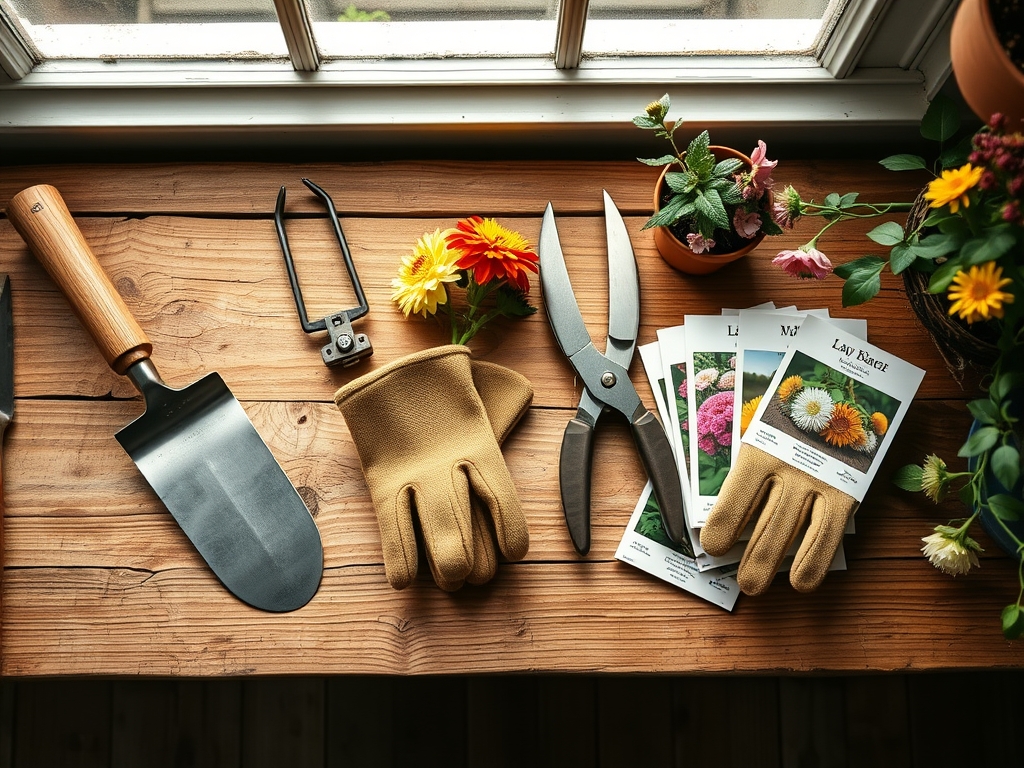
Materials:
The foundation of aromatic intensity lies in the soil chemistry. Most potpourri species require a friable loam with high porosity to prevent root anoxia. Aim for a soil pH between 6.0 and 7.0 to ensure maximum nutrient availability.
For vegetative growth, utilize an NPK ratio of 10-10-10 during the early spring. Once the plant transitions to the reproductive phase, shift to a 5-10-10 or 0-10-10 formula. High phosphorus levels encourage bud formation, while excessive nitrogen can lead to lush foliage with diluted essential oil concentrations. Ensure the Cation Exchange Capacity (CEC) is sufficient by incorporating organic matter; this allows the soil to hold onto positively charged ions like Potassium (K+) and Magnesium (Mg2+), which are critical for enzyme activation and chlorophyll synthesis.
Timing:
Successful cultivation is dictated by the Hardiness Zone and the local frost-free window. Most aromatic perennials, such as Lavandula or Rosa, thrive in Zones 5 through 9. Annuals like Calendula should be sown when soil temperatures reach a consistent 55 degrees Fahrenheit.
The biological clock of these plants is governed by the photoperiod. As daylight increases, the plant shifts from vegetative biomass production to the reproductive stage. This transition is triggered by phytochromes within the leaf tissue. For potpourri, the goal is to harvest just as the flower reaches full anthesis but before the onset of senescence, when the volatile oils are most concentrated.
Phases:
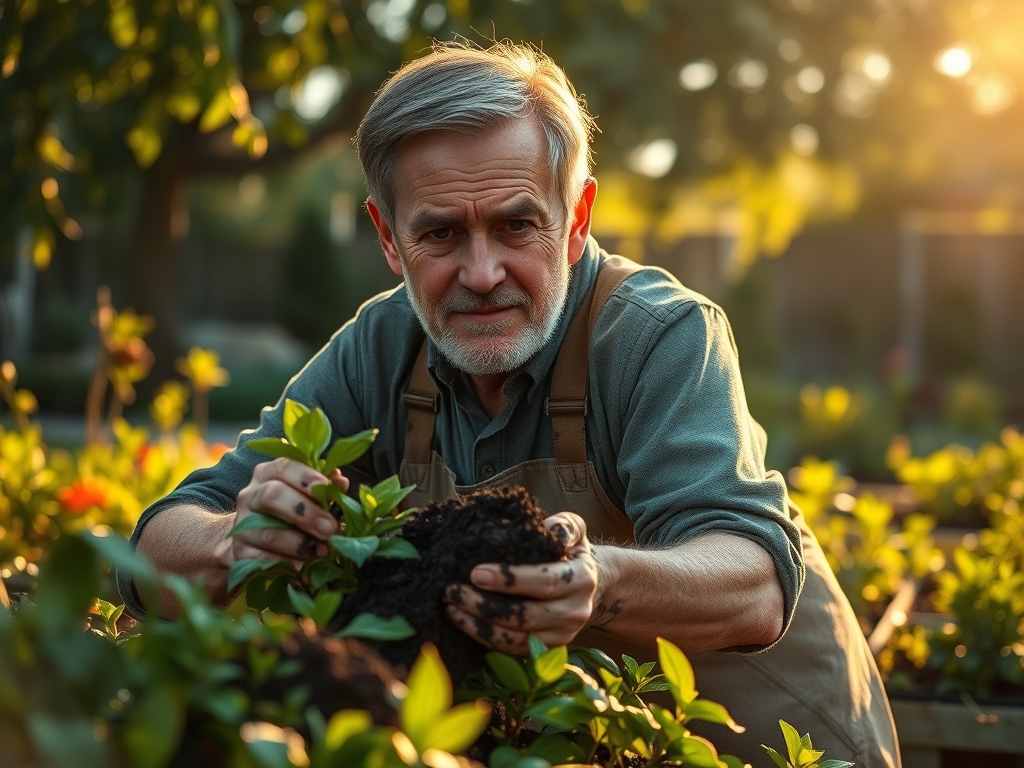
Sowing
Begin seeds indoors 6 to 8 weeks before the last expected frost. Use a sterile seed-starting mix to prevent damping-off caused by fungal pathogens. Maintain a consistent temperature of 70 degrees Fahrenheit for optimal germination rates.
Pro-Tip: Many aromatic seeds require light for germination. This is a biological adaptation called positive photoblasty, where the seed senses light through phytochrome receptors to ensure it is close enough to the soil surface to reach the atmosphere before its energy reserves deplete.
Transplanting
Hardening off is mandatory. Move seedlings outdoors for increasing intervals over 7 to 10 days. When planting, ensure the crown of the plant is level with the soil surface to prevent crown rot. Space plants 12 to 18 inches apart to allow for adequate air circulation, which reduces the risk of Erysiphales (powdery mildew).
Pro-Tip: Inoculate the planting hole with endomycorrhizal fungi. This establishes a symbiotic relationship where the fungi extend the root system's reach, increasing the uptake of phosphorus and water in exchange for plant sugars.
Establishing
During the first 21 days, maintain consistent moisture to allow the root system to penetrate the surrounding soil matrix. Use a soil moisture meter to ensure the root zone stays at approximately 60 percent field capacity.
Pro-Tip: Practice apical dominance suppression by pinching back the primary terminal bud. This redirects auxins to lateral buds, resulting in a bushier plant with a higher volume of flower heads per square foot.
The Clinic:
Physiological disorders often mimic infectious diseases. Accurate diagnosis is required for effective intervention.
- Symptom: Interveinal chlorosis on young leaves.
Solution: This indicates an Iron (Fe) deficiency, often caused by high soil pH. Apply chelated iron to the rhizosphere to lower the pH and restore chlorophyll production. - Symptom: Marginal leaf burn or "scorching" on older leaves.
Solution: This is typically a Potassium (K) deficiency. Potassium regulates stomatal opening; without it, the plant loses turgor and cannot manage transpiration. Apply a high-potassium sulfate fertilizer. - Symptom: Powdery white residue on leaf surfaces.
Solution: This is Powdery Mildew. Increase airflow and reduce humidity. Use a sulfur-based fungicide if the infection exceeds 10 percent of the leaf area.
Fix-It: For general Nitrogen chlorosis (yellowing of the entire leaf), apply a quick-release liquid fertilizer with a 20-0-0 ratio. Nitrogen is mobile within the plant; the older leaves will sacrifice their nitrogen to support new growth, causing the bottom of the plant to yellow first.
Maintenance:
Precision maintenance ensures the longevity of the best potpourri garden flowers. Provide 1.5 inches of water per week at the drip line; avoid overhead irrigation to minimize leaf moisture and fungal spores. Use a hori-hori knife to remove deep-rooted weeds that compete for nutrients.
Regular deadheading is required to prevent the plant from shifting energy into seed production. Use bypass pruners to make clean cuts at a 45-degree angle just above a node. This maintains the structural integrity of the vascular system and prevents pathogens from entering the wound. Monitor the soil with a moisture meter twice weekly during peak summer heat to prevent permanent wilting point stress.
The Yield:
Harvesting for potpourri requires a strict schedule. The highest concentration of essential oils occurs in the early morning, after the dew has evaporated but before the sun's heat volatilizes the oils. Use sharp snips to harvest flowers that are 75 percent open.
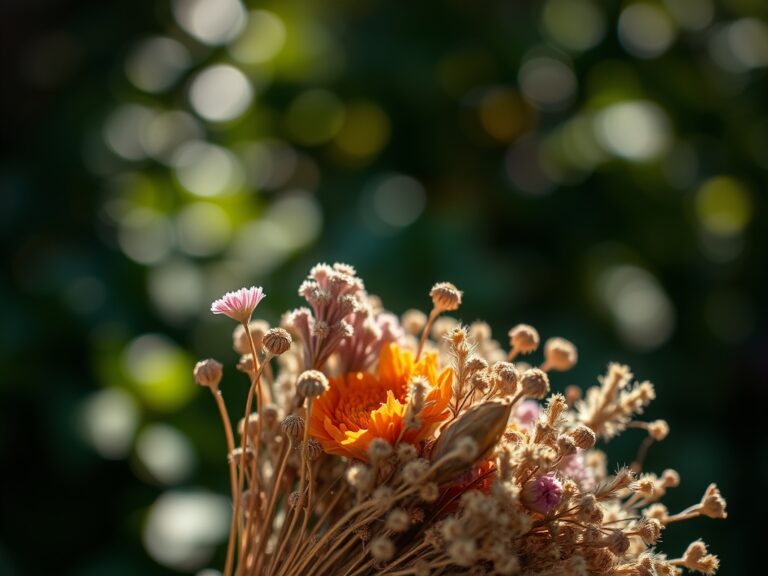
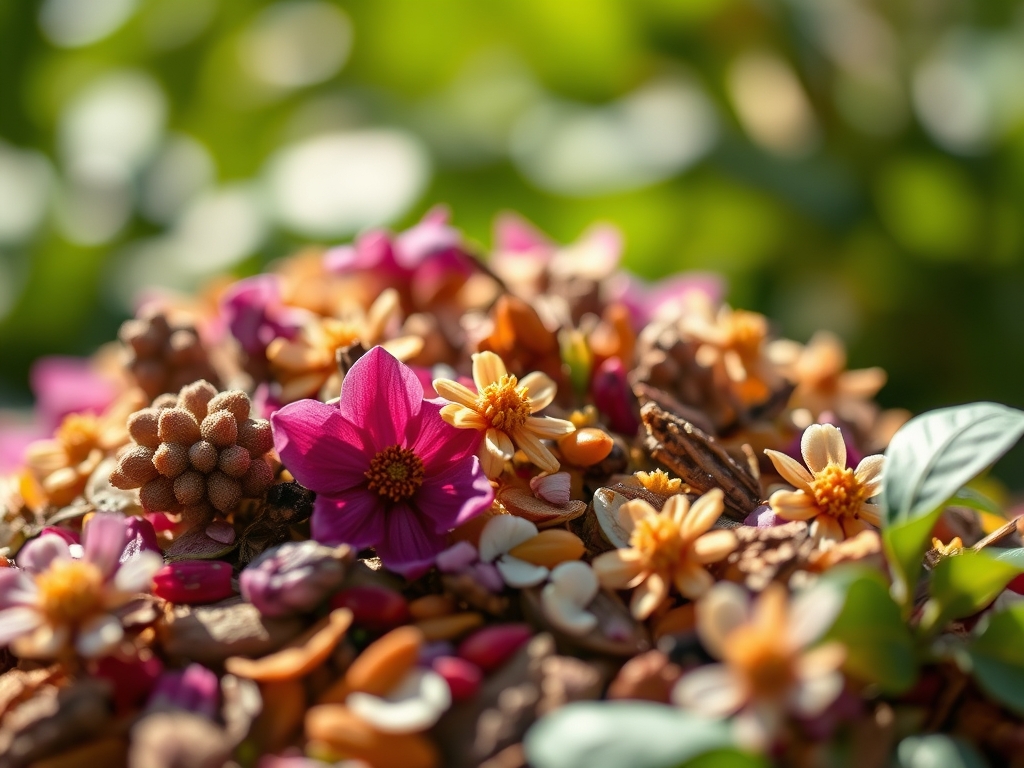
Immediately after cutting, place the stems in a cool, shaded area. For petals, strip them gently and spread them in a single layer on a fine mesh screen. Store in a dark, well-ventilated room with humidity below 40 percent. This rapid dehydration preserves the cellular structure and prevents the oxidation of aromatic compounds, ensuring the scent remains potent for months.
FAQ:
Which flowers hold their scent longest after drying?
Lavandula (Lavender), Rosa (Roses), and Pelargonium (Scented Geraniums) are superior. Their essential oils are stored in glandular trichomes or deep within petal tissues, which resist rapid oxidation and evaporation during the drying process.
How do I prevent my dried flowers from molding?
Ensure a moisture content below 10 percent before storage. Use a dark, desiccated environment with high airflow. Never store botanicals in plastic bags; use glass jars or breathable muslin bags to prevent moisture trapping.
What is the best soil for aromatic flowers?
A well-draining sandy loam with a pH of 6.5 is ideal. High organic matter increases the Cation Exchange Capacity, ensuring the plant has access to the micronutrients required for complex terpene and ester synthesis.
When is the best time of day to harvest?
Harvest between 8:00 AM and 10:00 AM. This window occurs after the morning dew has dried but before high solar radiation triggers the release of volatile organic compounds into the atmosphere.
How do I fix yellowing leaves on my roses?
Yellowing with green veins indicates iron chlorosis. Check the soil pH; if it is above 7.2, the iron is chemically locked. Lower the pH using elemental sulfur or apply chelated iron directly to the root zone.