8 Simple Steps to Stevia Plant Care
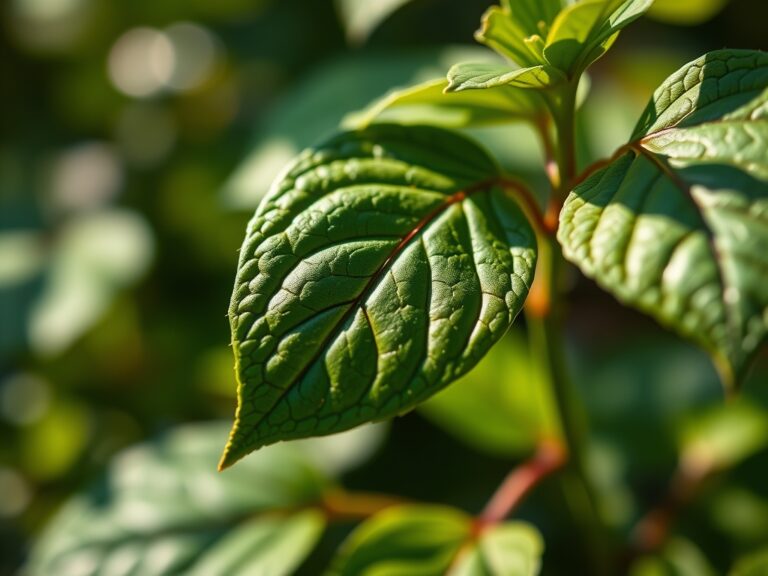
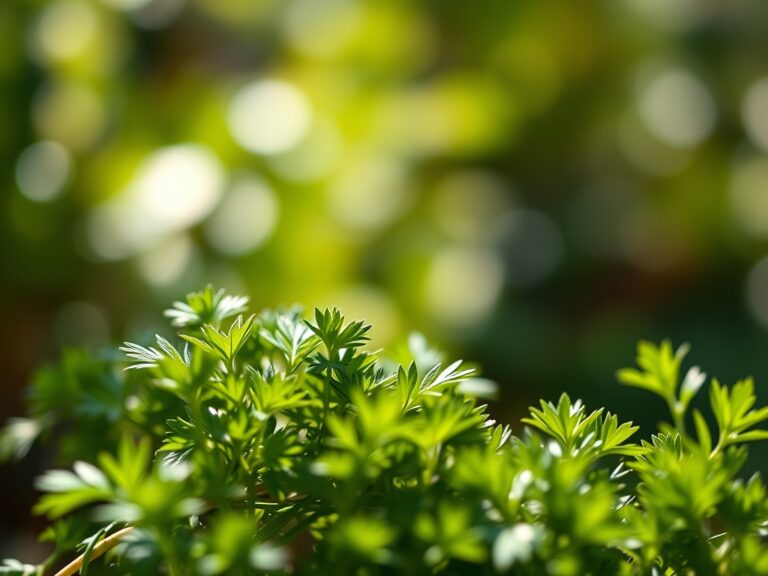
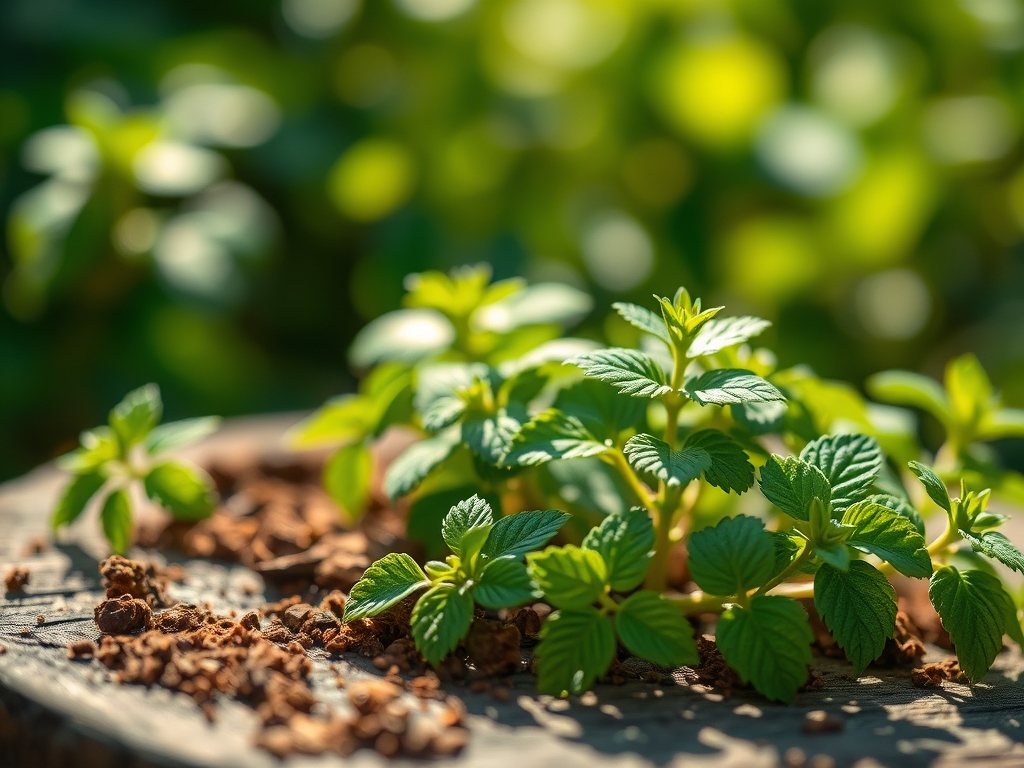
The smell of damp, well-aerated loam and the crisp turgor of a hydrated leaf define the success of a professional herb garden. Stevia rebaudiana is a perennial shrub that demands precision to maximize its glycoside production. Cultivating this plant requires an understanding of its subtropical origins and its sensitivity to day length and soil moisture. By following these specific steps to stevia plant care, a grower can transition from a struggling seedling to a robust, bushy specimen with high leaf density. This process relies on managing the rhizosphere and ensuring the plant maintains a consistent metabolic rate throughout the growing season. Success is measured by the thickness of the stem and the dark green hue of the foliage, indicating a high concentration of chlorophyll and steviol glycosides. Neglecting the physical structure of the soil or the timing of the harvest will lead to premature senescence or a bitter flavor profile. Precision in the early stages of development ensures the plant has the structural integrity to support its own weight as it reaches maturity.
Materials:
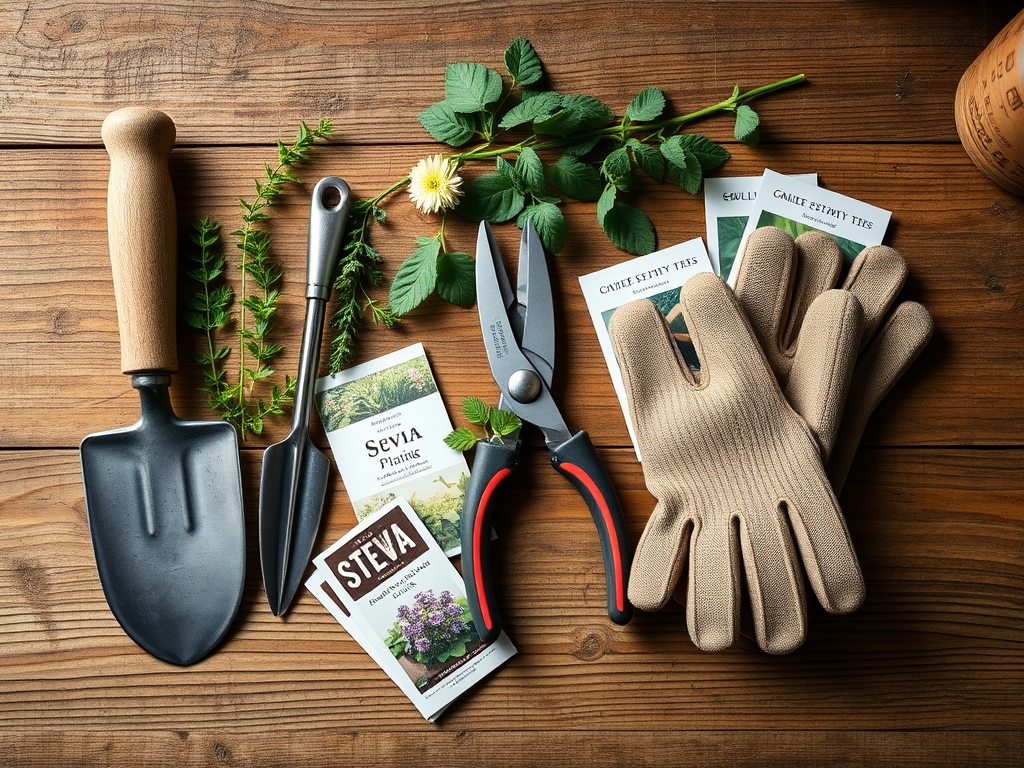
Stevia requires a growing medium with a pH between 6.7 and 7.2. The substrate must be a friable loam with high organic matter to facilitate a strong Cation Exchange Capacity (CEC). This allows the roots to access essential minerals like magnesium and calcium. For fertilization, utilize an organic NPK ratio of 6-2-4. High nitrogen levels are necessary for vegetative growth, but excessive nitrogen can dilute the sweetness of the leaves. Ensure the potting mix contains perlite or coarse sand to prevent compaction, as stevia roots are prone to rot in anaerobic conditions. A high-quality soil moisture meter is essential for monitoring the hydration levels at the root zone, which should remain consistently moist but never saturated.
Timing:
Stevia is most productive in USDA Hardiness Zones 9 through 11. In cooler climates, it is treated as an annual or moved indoors when temperatures drop below 45 degrees Fahrenheit. The biological clock of the plant is governed by the photoperiod. Stevia is a short-day plant; it begins its reproductive stage (flowering) when daylight hours decrease in late summer or early autumn. For maximum leaf yield, the grower must intervene before this transition. Planting should occur only after the final frost when soil temperatures have stabilized at 60 degrees Fahrenheit or higher. This ensures the plant remains in the vegetative phase for the maximum possible duration, allowing for multiple harvests.
Phases:
Sowing and Germination
Stevia seeds have a notoriously low germination rate, often hovering around 25 to 35 percent. Seeds must be surface-sown because they are photoblastic, meaning they require light to trigger the germination process. Maintain a constant temperature of 70 to 75 degrees Fahrenheit and use a humidity dome to prevent the surface from drying out.
Pro-Tip: Utilize bottom heat from a propagation mat to increase metabolic activity in the embryo. This heat stimulates the production of gibberellic acid, which overcomes seed dormancy more effectively than ambient air temperature alone.
Transplanting
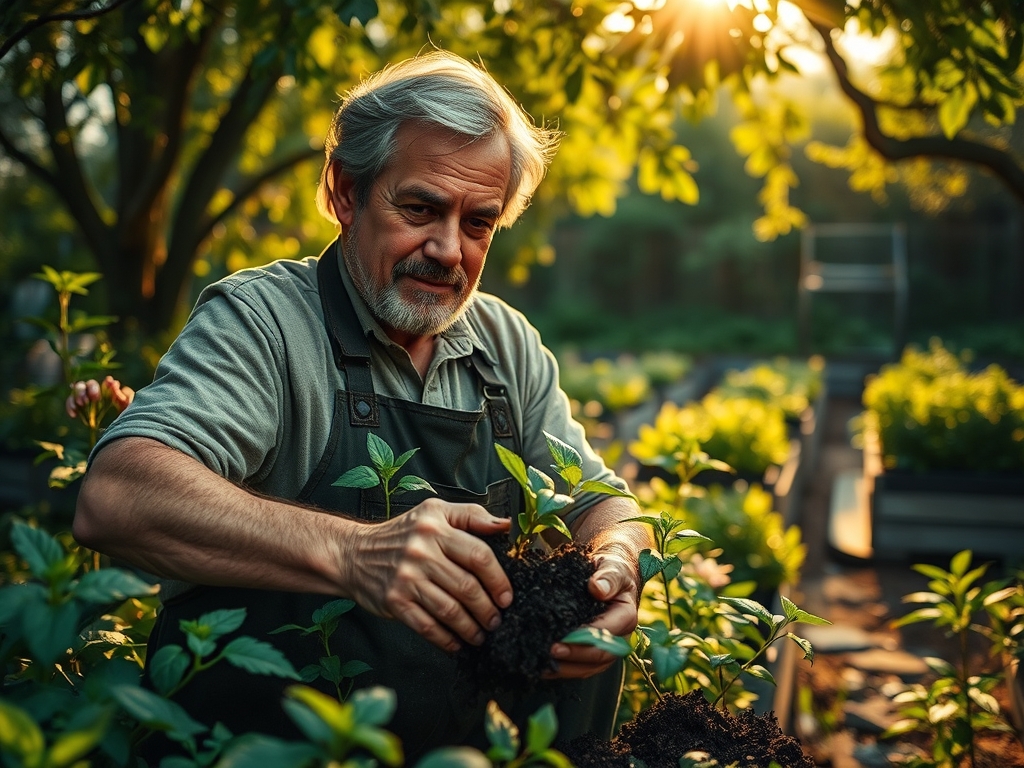
Move seedlings to their permanent location when they reach 3 to 4 inches in height and have developed at least two sets of true leaves. Space the plants 12 inches apart to allow for adequate airflow, which reduces the risk of fungal pathogens. When placing the plant in the ground, ensure the crown is level with the soil surface.
Pro-Tip: Inoculate the root ball with mycorrhizal fungi during transplanting. This symbiotic relationship expands the surface area of the root system, allowing the plant to uptake phosphorus and micronutrients that are otherwise immobile in the soil.
Establishing and Pinching
Once the plant reaches 8 inches in height, use a sharp hori-hori knife or bypass pruners to pinch back the central leader. This removes the apical meristem and redirects the plant's energy to lateral buds.
Pro-Tip: This process is known as auxin suppression. By removing the primary growth tip, you stop the flow of the hormone auxin down the stem, which previously inhibited the growth of side branches. The result is a bushier plant with a higher leaf-to-stem ratio.
The Clinic:
Symptom: Yellowing of lower leaves (Chlorosis).
Solution: This typically indicates a nitrogen deficiency or poor drainage. Check the soil with a moisture meter. If the soil is dry, apply a liquid seaweed fertilizer. If the soil is wet, improve drainage immediately to prevent root necrosis.
Symptom: Wilting despite moist soil.
Solution: This is often a sign of Pythium root rot. The vascular system is compromised, preventing water transport. Remove affected plants and treat the remaining rhizosphere with a copper-based fungicide.
Symptom: White powdery spots on foliage.
Solution: Powdery mildew thrives in high humidity with low airflow. Increase spacing between plants and apply a solution of potassium bicarbonate to alter the pH of the leaf surface, making it inhospitable to spores.
Fix-It for Magnesium Deficiency: If leaves show interveinal chlorosis (yellowing between green veins), apply one tablespoon of Epsom salts per gallon of water. Magnesium is the central atom in the chlorophyll molecule; without it, photosynthesis slows significantly.
Maintenance:
Stevia requires 1.5 inches of water per week, delivered directly to the drip line to avoid wetting the foliage. Use a soil moisture meter to ensure the top 2 inches of soil do not desiccate. Mulch the base of the plant with 2 inches of organic compost to regulate soil temperature and provide a slow-release source of nutrients. Every four weeks, side-dress with a balanced organic fertilizer to maintain the cation exchange balance. If the plant begins to develop flower buds, prune them immediately. Flowering triggers a change in the plant's chemistry that reduces the concentration of steviosides in the leaves, resulting in a bitter aftertaste.
The Yield:
Harvesting should occur in the morning when the plant's turgor pressure is at its peak. This is when the leaves are most hydrated and the glycoside levels are highest. Use bypass pruners to cut the stems, leaving at least 4 inches of growth at the base to allow for regeneration. For "day-one" freshness, immediately place the cut stems in a bucket of cool water. To dry the leaves, hang the bundles upside down in a well-ventilated area away from direct sunlight. Temperatures should stay below 110 degrees Fahrenheit during drying to prevent the degradation of the sweet compounds. Once brittle, strip the leaves from the stems and store them in an airtight glass container in a cool, dark location.
FAQ:
How much sun does stevia need daily?
Stevia requires at least six to eight hours of direct sunlight daily. In extreme climates with temperatures exceeding 90 degrees Fahrenheit, provide afternoon shade to prevent leaf scorch and maintain high turgor pressure within the plant cells.
Can I grow stevia in containers?
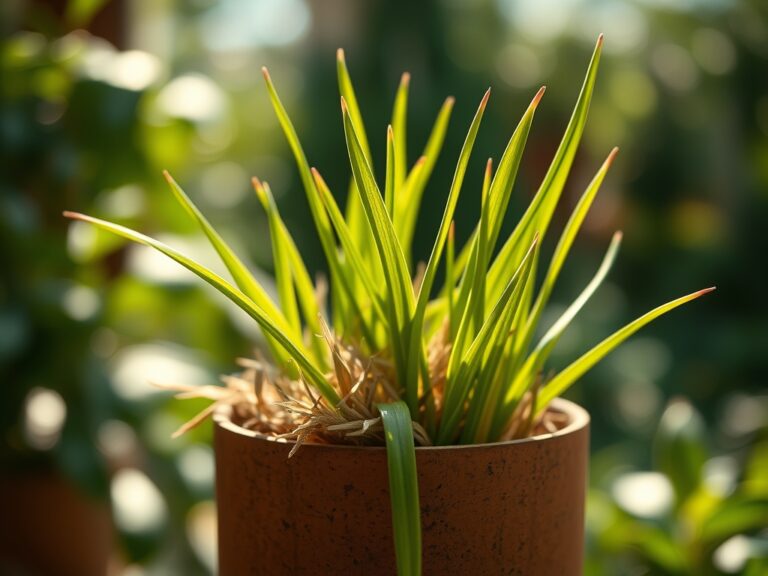
Yes, use a container with a minimum 12-inch diameter and excellent drainage. Container-grown stevia requires more frequent monitoring of soil moisture and nutrient levels, as the limited soil volume depletes water and minerals faster than in-ground plantings.
Why are my stevia leaves turning bitter?
Bitterness usually occurs if the plant has begun to flower or if it is under significant heat stress. Maintain consistent moisture and prune all flower buds immediately to keep the plant's energy focused on vegetative growth and glycoside production.
How do I overwinter stevia in cold zones?
In zones below 9, cut the plant back to 3 inches and move the container indoors to a sunny window or under grow lights. Maintain a temperature above 50 degrees Fahrenheit and reduce watering until new growth appears in spring.