9 Simple Ways How to Get Vase Life Extensions
Freshly cut stems demand immediate intervention to stall the biological process of senescence. When a flower is severed from its root system, it loses its primary source of water and nutrients; this triggers a rapid decline in turgor pressure within the xylem. Successful management of this transition requires a deep understanding of vascular physiology. Learning how to get vase life extensions begins in the field, long before the bloom enters a vessel. You must manipulate the plant's internal chemistry to prevent air embolisms and bacterial proliferation. By controlling the ambient temperature and the chemical composition of the hydration solution, you can extend the functional life of the bloom by several days. This process is not about aesthetics; it is a rigorous application of botanical physics.
Materials:
The foundation of a long lasting cut flower is the soil in which it grew. For optimal stem strength and vascular health, target a **soil pH between 6.0 and 6.8**. This range ensures maximum bioavailability of micronutrients like Boron, which is essential for cell wall integrity. The ideal substrate is a **friable loam** with a **Cation Exchange Capacity (CEC) above 15**.
Prior to the reproductive stage, maintain an NPK ratio of 10-10-10 to support steady growth. As the plant transitions to budding, shift to a 5-10-10 or 0-10-10 formula to prioritize phosphorus and potassium over nitrogen. Excess nitrogen leads to succulent, weak stems that collapse quickly after harvest. Ensure the substrate has a high organic matter content to buffer against moisture fluctuations that can stress the plant's vascular tissue before cutting.
Timing:
Timing is dictated by the plant's biological clock and the specific climate of your Hardiness Zone. In Zones 5 through 8, the window for harvesting most temperate perennials begins after the last frost date, typically between April and June. Harvest must occur during the period of maximum turgidity, which is usually between 5:00 AM and 7:00 AM. At this time, the plant is fully hydrated from the cool night temperatures and has not yet begun the heavy transpiration cycle triggered by midday solar radiation.
The transition from the vegetative to the reproductive stage is governed by the photoperiod. Most long-day plants require 14 or more hours of light to initiate flowering. Harvesting at the "tight bud" stage for species like peonies or the "half-open" stage for roses is critical. Cutting too early prevents the bloom from ever reaching full expansion; cutting too late means the plant has already begun its metabolic slide toward seed production.
Phases:
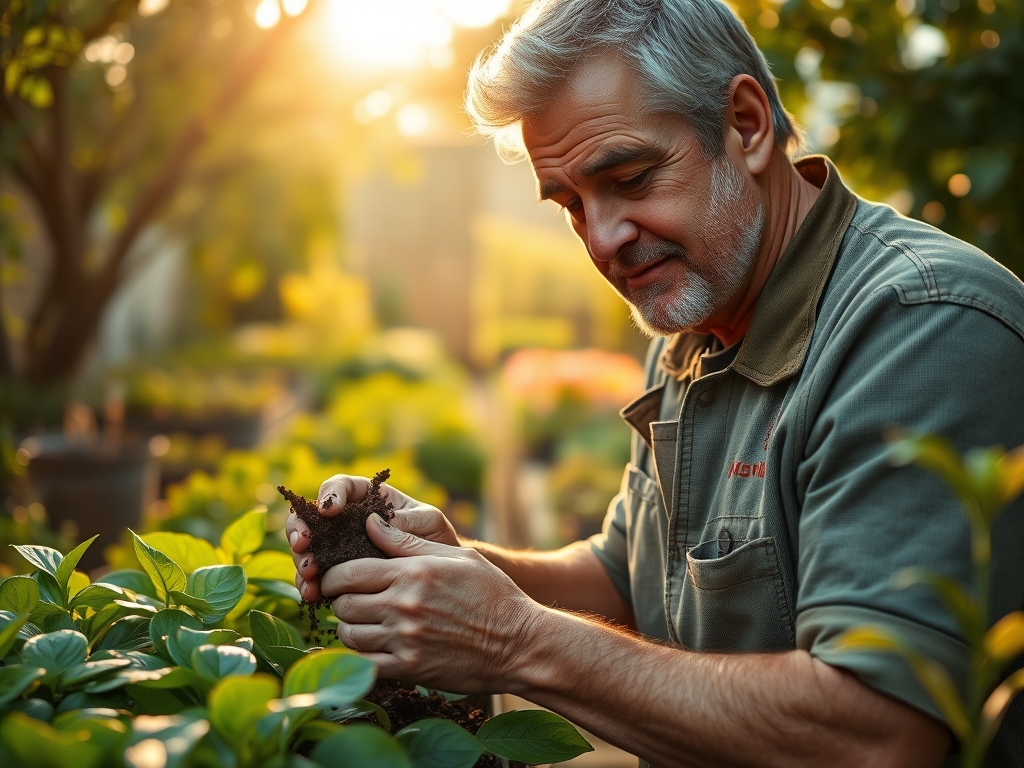
Sowing
Start seeds in a sterile medium at a consistent temperature of 70 degrees Fahrenheit. Use a heat mat to ensure uniform germination. Proper spacing is vital to prevent fungal pathogens from colonizing the lower foliage.
Pro-Tip: Maintain high light intensity to prevent "leggy" seedlings. This prevents etiolation, a condition where stems stretch and weaken due to insufficient light, compromising the future structural integrity of the cut flower.
Transplanting
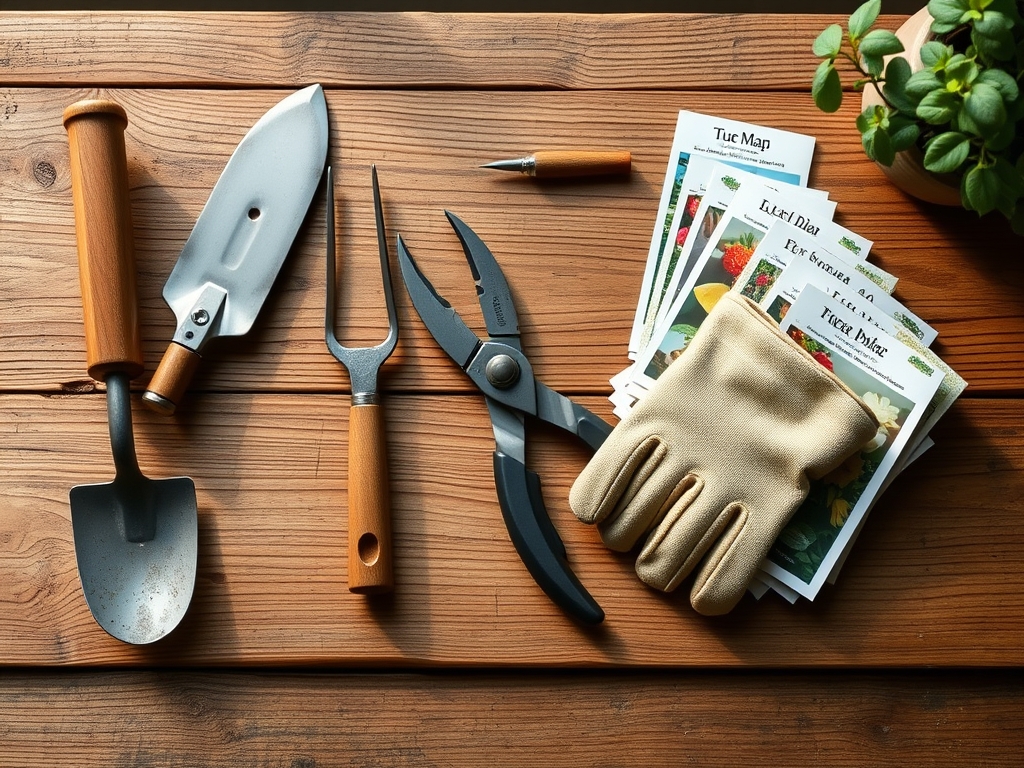
Move seedlings to the field once they have developed two sets of true leaves. Harden them off by gradually increasing exposure to outdoor conditions over 7 to 10 days. Use a hori-hori knife to ensure the root ball remains intact during the move.
Pro-Tip: Inoculate the planting hole with mycorrhizal fungi. This symbiotic relationship expands the root surface area, allowing for superior uptake of phosphorus and water, which translates to higher sugar concentrations in the stem.
Establishing
During the first six weeks, focus on deep root development. Apply 1.5 inches of water per week at the drip line rather than overhead. This keeps the foliage dry and reduces the risk of Botrytis.
Pro-Tip: Practice auxin suppression by pinching back the central lead of the plant. This redirects growth hormones to lateral buds, resulting in a higher volume of stems and a more robust vascular system.
The Clinic:
Physiological disorders often manifest as physical defects in the vase. Identifying these early allows for corrective action in the field or the floral studio.
- Symptom: Bent Neck. This occurs when the stem just below the flower head loses turgidity.
- Solution: Recut the stem under water at a 45-degree angle and place in a 100-degree Fahrenheit hydration solution to break air embolisms in the xylem.
- Symptom: Premature Wilting. Often caused by ethylene gas exposure.
- Solution: Keep flowers away from ripening fruit or exhaust fumes. Use an anti-ethylene agent like 1-MCP for sensitive species.
- Symptom: Leaf Chlorosis. Yellowing of the leaves while veins remain green.
- Solution: This indicates an Iron deficiency. Apply a chelated iron foliar spray or adjust soil pH if it has climbed above 7.0.
- Symptom: Petal Shattering. Flowers drop petals prematurely.
- Solution: Increase Potassium levels during the budding phase to strengthen the abscission zone where the petal attaches to the receptacle.
Maintenance:
Precision is required for daily upkeep. Use a soil moisture meter to ensure the rhizosphere remains at a consistent moisture level; fluctuations cause stress that shortens vase life. When pruning or harvesting, use sharp bypass pruners to make clean cuts. Dull blades crush the vascular bundles, creating a site for bacterial entry.
Sanitation is non-negotiable. All buckets and vases must be cleaned with a 10% bleach solution to eliminate microbes. Bacteria are the primary cause of stem blockage; a single colony can clog the xylem of a rose in less than 24 hours. Change the vase water every 48 hours, adding a professional floral preservative that contains a biocide, an acidifier to lower pH to 3.5 or 4.5, and a carbohydrate source for energy.
The Yield:
Harvesting for maximum vase life requires immediate post-harvest handling. Use a clean bucket containing "pulse" solution (high sugar content) directly in the field. Remove all foliage that would sit below the water line to prevent decay.
Once indoors, move the flowers to a "cool down" area at 34 to 38 degrees Fahrenheit for at least two hours. This removes field heat and slows the plant's respiration rate. For woody stems, such as lilacs, do not smash the ends; instead, make a long vertical slit to increase the surface area for water absorption. This "day-one" freshness is maintained by keeping the flowers in a high-humidity, low-light environment until they are ready for display.
FAQ:
How do I prevent air bubbles in stems?
Recut stems at a sharp angle while submerged in water. This prevents air from entering the xylem vessels, maintaining a continuous water column and ensuring that turgor pressure remains high throughout the flower's life.
Does aspirin really help flowers?
While aspirin lowers the water pH, it is less effective than professional floral preservatives. Commercial formulas contain the correct balance of carbohydrates, biocides, and acidifiers necessary to inhibit bacterial growth and provide metabolic energy.
How much water should I put in the vase?
Fill the vase so that at least three to five inches of the stem are submerged. For heavy feeders like hydrangeas, deeper water is better. Always ensure no leaves are submerged, as they will rot and harbor bacteria.
Why are my flowers wilting even in water?
This is likely due to bacterial vascular occlusion. Bacteria have clogged the stem's "plumbing." To fix this, sanitize the vase, recut the stems by one inch with sharp pruners, and use fresh water with a biocide.