8 Vital Steps to Chickweed Salad Herbs
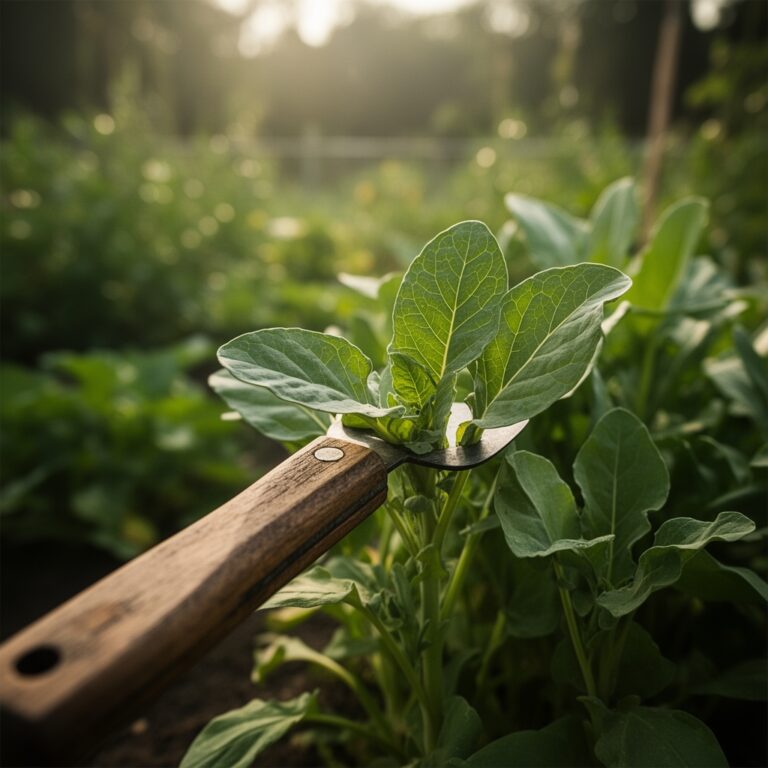
The cool-season foliage of chickweed arrives when most gardens lie dormant, offering tender leaves that combine the crispness of lettuce with a faint corn-silk sweetness. Foragers and kitchen gardeners prize Stellaria media for its reliable winter growth and nutrient density, yet few understand the precise cultural steps to chickweed salad herbs that transform this opportunistic annual into a dependable crop. The plant's prostrate habit and shallow root system demand attentive soil preparation, while its tendency to self-seed requires strategic timing. Mastering these eight steps ensures successive harvests from autumn through early spring.
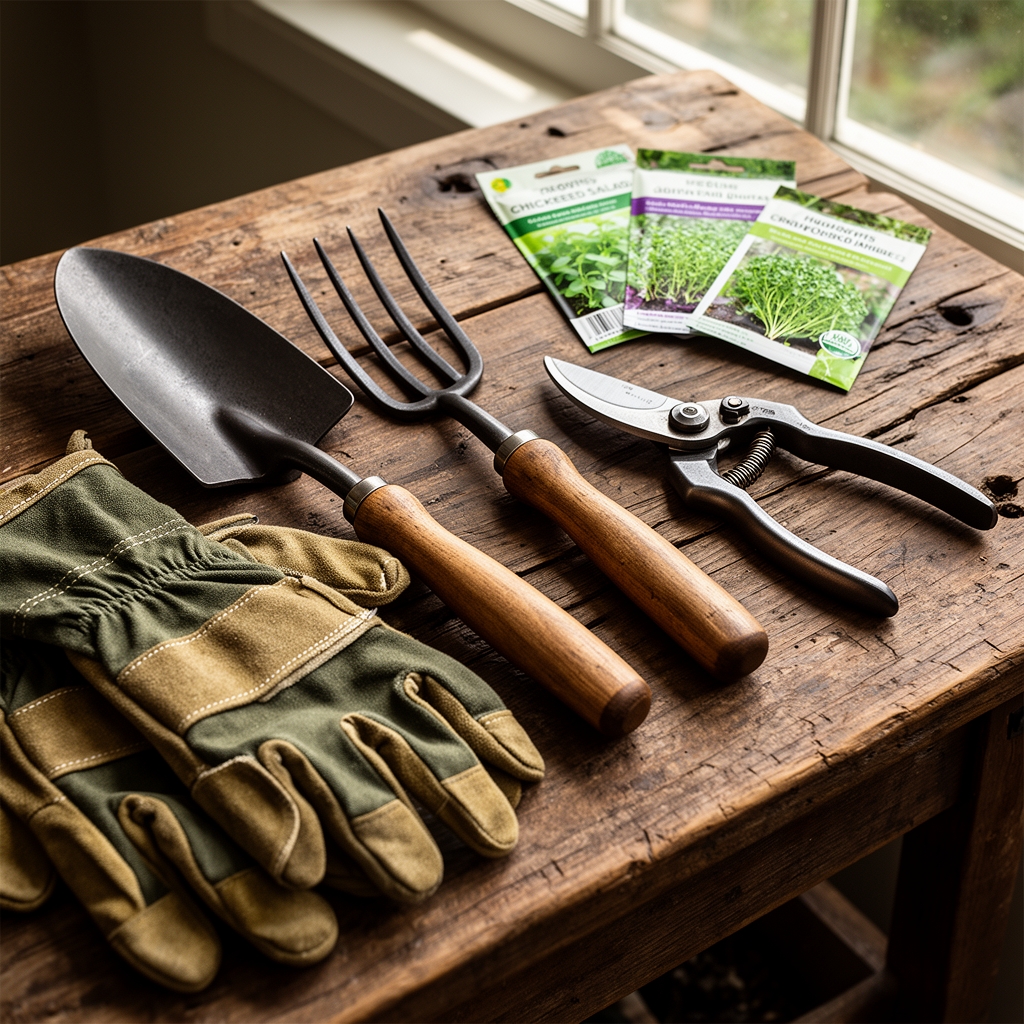
Materials
Chickweed thrives in soils with a pH of 6.0 to 7.0, tolerating slight alkalinity better than acidity. Prepare beds with a balanced 4-4-4 organic fertilizer derived from feather meal, bone meal, and kelp. The nitrogen fraction supports the rapid leaf expansion chickweed exhibits in cool weather. Incorporate 2 inches of finished compost to improve cation exchange capacity, which stabilizes nutrient availability during fluctuating winter moisture levels.
For container cultivation, blend equal parts coconut coir, aged compost, and perlite. This mix provides the moisture retention chickweed requires while preventing the anaerobic conditions that encourage damping-off fungi. Add 1 tablespoon of dolomitic lime per gallon of media to buffer pH and supply magnesium, which chickweed consumes heavily during chlorophyll synthesis.
Seed viability remains high for three years when stored at 40 degrees F in a sealed glass jar with silica gel. Plan for 1/8 ounce of seed per 100 square feet, accounting for the species' small seed size of approximately 850 seeds per gram.
Timing
Stellaria media germinates best when soil temperatures range from 50 to 65 degrees F. In USDA Hardiness Zones 7 through 10, direct-sow from late September through October, targeting the window four weeks before the first expected frost. This allows seedlings to establish root systems before hard freezes arrive.
Zones 5 and 6 require earlier planting, beginning in late August, or a spring sowing six weeks before the last frost date. The species exhibits facultative winter annual behavior, meaning fall-germinated plants overwinter as rosettes and resume growth in February when soil temperatures climb above 40 degrees F. Spring-sown chickweed bolts rapidly once day length exceeds 14 hours and temperatures surpass 70 degrees F, reducing the harvest period by half.
In Zone 9 and warmer, treat chickweed as a strict cool-season crop. Sow in November and plan for final harvest by late February. High night temperatures above 60 degrees F trigger premature flowering and leaf bitterness.
Phases

Sowing: Broadcast seed over prepared beds and rake lightly to incorporate. Chickweed seed requires light for germination; bury no deeper than 1/8 inch. Tamp the surface with a flat board to ensure seed-to-soil contact. Water with a fine mist to avoid displacement. Germination occurs in 5 to 10 days under consistent moisture.
Pro-Tip: Inoculate the planting area with mycorrhizal fungi spores at a rate of 1 teaspoon per 10 square feet. While chickweed forms facultative associations rather than obligate symbioses, colonization improves phosphorus uptake in compacted or clay-heavy soils.
Transplanting: Chickweed transplants poorly due to its delicate tap root and fibrous lateral root network. If indoor starts are necessary, use 72-cell trays and transplant within 14 days of germination, before root systems exceed cell depth. Handle seedlings by the cotyledons, never the stem, to avoid crushing the vascular bundles that transport auxins.
Pro-Tip: Harden transplants by reducing irrigation 48 hours before moving outdoors, then water immediately after planting with a kelp extract solution diluted to 1 tablespoon per gallon. The cytokinins in kelp accelerate root regeneration.
Establishing: Thin seedlings to 4-inch spacing once true leaves appear. Chickweed's prostrate growth creates a living mulch that suppresses competing winter weeds while moderating soil temperature fluctuations. Plants reach harvestable size in 40 to 50 days from germination.
Pro-Tip: Apply a foliar spray of fish emulsion diluted to half strength (1 tablespoon per 2 gallons) at the four-leaf stage. This supplemental nitrogen accelerates the auxin distribution responsible for lateral branching, increasing total leaf yield by 20 to 30 percent.
Troubleshooting
Symptom: Yellowing lower leaves with purple stems. Solution: Phosphorus deficiency, common in cold soils. Side-dress with bone meal at 1 tablespoon per square foot or apply liquid phosphorus (0-10-0) at labeled rates.
Symptom: Wilting despite moist soil, dark stem lesions at soil line. Solution: Rhizoctonia damping-off. Remove affected plants immediately. Improve drainage and avoid overhead irrigation. Drench remaining plants with a Trichoderma-based biological fungicide.
Symptom: Skeletonized leaves, silvery trails. Solution: Slug feeding. Distribute iron phosphate bait at dusk when slugs emerge. Maintain 1-inch clearance between mulch and plant crowns.
Symptom: Stunted growth, white cottony masses on leaf undersides. Solution: Aphid colonization. Spray with insecticidal soap (2 tablespoons per quart of water), ensuring coverage of leaf undersides where aphids aggregate.
Symptom: Premature flowering, bitter flavor. Solution: Heat stress. Provide 30 percent shade cloth when daytime temperatures exceed 65 degrees F. Increase irrigation frequency to twice daily.
Maintenance
Provide 1 inch of water per week through drip irrigation or soaker hoses. Chickweed's shallow root system, concentrated in the top 3 inches of soil, desiccates rapidly during dry spells. Morning watering reduces foliar disease incidence by allowing leaves to dry before nightfall.
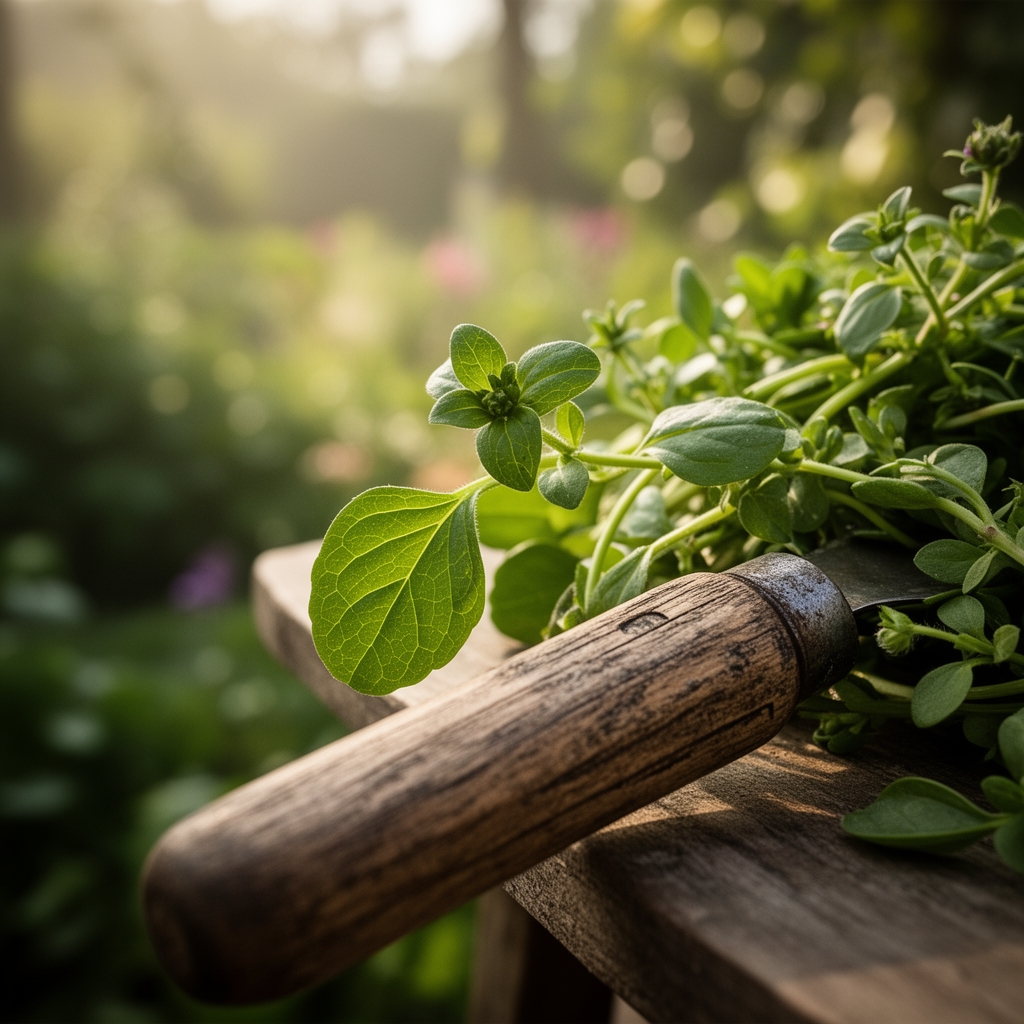
Begin harvesting when plants reach 4 inches in height, cutting stems 1 inch above the soil line. This height preserves axillary buds that regenerate new growth within 10 to 14 days. Successive cuttings every two weeks maintain vegetative growth and delay flowering.
Apply 1/4 cup of 4-4-4 organic fertilizer per 10 square feet after every third harvest to replenish nitrogen removed in harvested foliage. Cease fertilization four weeks before anticipated bolt to prevent excess nitrate accumulation in leaves.
FAQ
How long does chickweed take to grow?
Chickweed reaches harvestable size in 40 to 50 days from seed under optimal conditions of 50 to 60 degrees F.
Can chickweed grow in full sun?
Chickweed tolerates full sun in cool climates but requires afternoon shade when temperatures exceed 65 degrees F to prevent early bolting.
Is chickweed frost-tolerant?
Mature chickweed survives temperatures to 20 degrees F. Frost actually improves flavor by concentrating sugars in leaf tissue.
How do I prevent chickweed from spreading?
Harvest before flowering, which occurs when day length exceeds 14 hours. Each plant produces up to 15,000 seeds that remain viable in soil for decades.
What is chickweed's nutritional profile?
Fresh chickweed contains 210 mg of calcium per 100 grams, along with significant vitamin C, iron, and gamma-linolenic acid, a rare omega-6 fatty acid.