7 Basic Steps to Stinging Nettle Tea
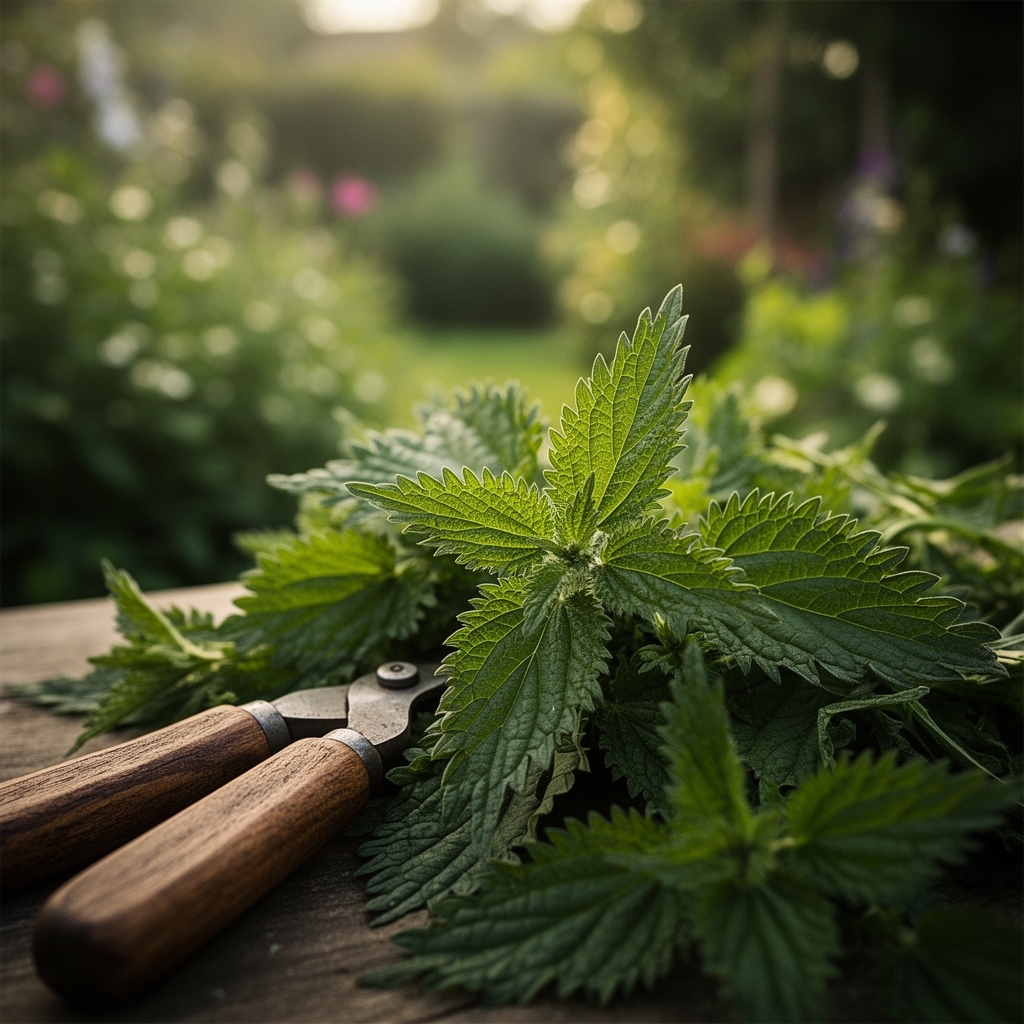
The first steps to stinging nettle tea begin not in the kettle but in the soil, where Urtica dioica plants transform nitrogen, potassium, and trace minerals into serrated leaves dense with chlorophyll and silicic acid. Fresh nettle foliage harvested at dawn contains peak concentrations of phytochemicals and nutrients. Within 48 hours, proper fermentation converts these compounds into a liquid fertilizer that delivers foliar nitrogen faster than most synthetic amendments, making these steps to stinging nettle tea essential for any gardener managing high-demand crops.
Materials
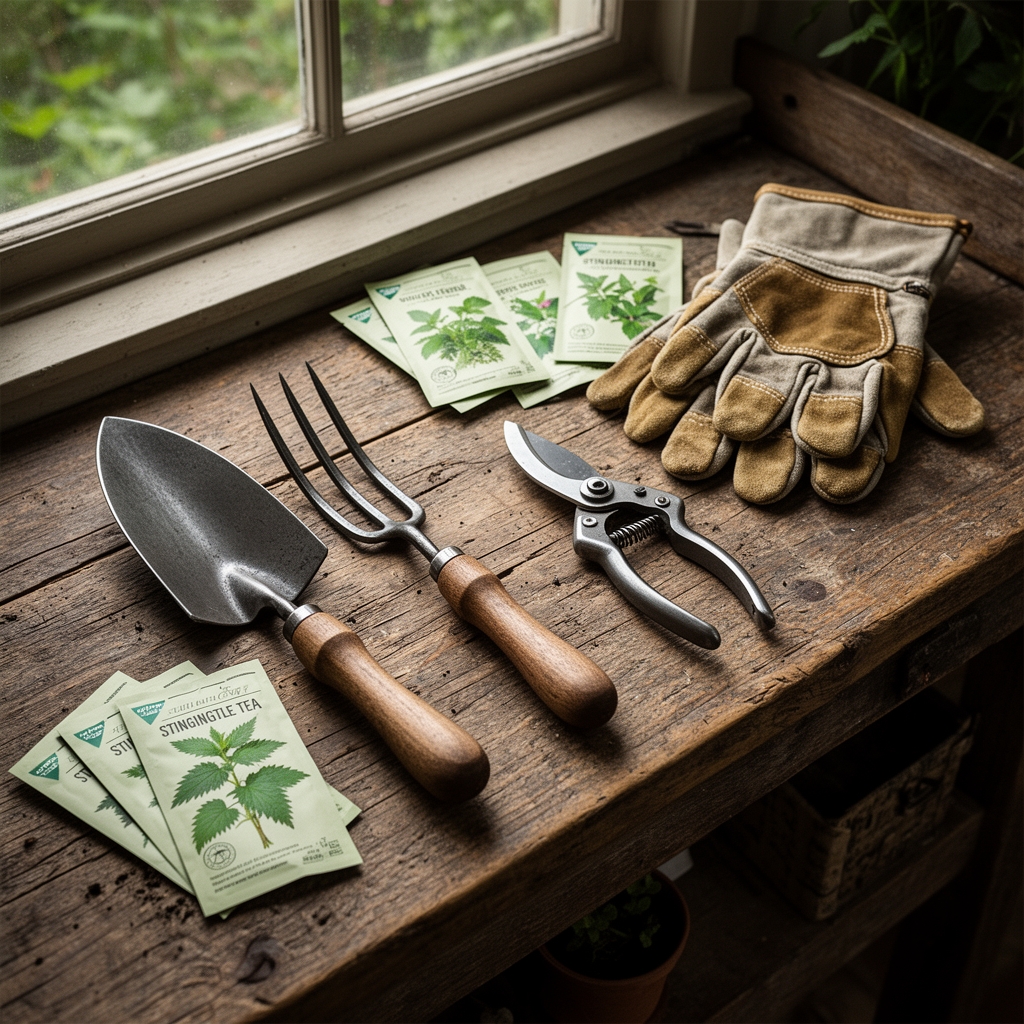
Gather 1 pound of fresh nettle tops, cut before flowering when leaf nitrogen content peaks at 4.2 percent dry weight. Use gloves rated for thorn resistance; the trichomes inject histamine and acetylcholine on contact. You need a 5-gallon food-grade bucket with a lid, preferably HDPE plastic that resists pH fluctuation. Add 4 gallons of non-chlorinated water. Municipal water treated with chloramine requires 48-hour aeration or ascorbic acid treatment at 50 mg per gallon to protect beneficial bacteria.
Include 2 tablespoons of blackstrap molasses to feed aerobic microbes. This carbohydrate source accelerates decomposition and chelates trace minerals. Optional additions include comfrey leaves (Symphytum officinale) for potassium supplementation, yielding an approximate NPK ratio of 3-1-5 in the finished tea. A fine-mesh strainer or cheesecloth filters particulates before application. Test soil pH first; nettle tea has a final pH of 6.8 to 7.2, suitable for most vegetable crops but requiring sulfur adjustment for acid-loving species.
Timing
Harvest nettles from April through June in USDA Hardiness Zones 3 through 10, targeting growth before reproductive structures form. Pre-flower foliage contains 40 percent more available nitrogen than post-bloom material. In Zone 5, optimal harvest windows align with soil temperatures reaching 55°F, typically two weeks after the last spring frost date. In Zone 9, harvest before summer heat exceeds 85°F, which triggers early flowering and reduces leaf tenderness.
Brew tea when ambient temperatures range from 60°F to 75°F. Warmer conditions accelerate fermentation but increase ammonia volatilization, reducing nitrogen retention by up to 30 percent. Cold temperatures below 55°F slow microbial activity, extending brew time from 10 days to 21 days without improving nutrient extraction. Align tea production with transplanting schedules. Apply two weeks before setting out tomatoes, brassicas, or heavy feeders to pre-charge soil cation exchange capacity.
Phases

Harvesting Phase: Cut nettle stems 4 inches from the apex using bypass pruners sterilized in 10 percent bleach solution. Select stems showing deep green color without chlorosis or necrotic spots. Rinse foliage only if contaminated with soil; excess water dilutes the concentrate. Chop stems into 2-inch segments to increase surface area for microbial colonization. Pack loosely into the bucket without compressing tissue.
Pro-Tip: Inoculate the brew with 1 cup of mature compost containing ectomycorrhizal fungi. This introduces Bacillus subtilis and Trichoderma species that break down cellulose and enhance nutrient availability by 18 percent compared to non-inoculated batches.
Fermentation Phase: Submerge nettles fully using a weighted plate. Anaerobic pockets produce methane and reduce nitrogen fixation. Cover with a breathable lid or cloth secured with twine. Stir daily using a wooden paddle, introducing oxygen to maintain aerobic decomposition. Foam formation indicates active microbial respiration. The liquid darkens to amber-brown as chlorophyll breaks down and nitrogen compounds stabilize.
Pro-Tip: Monitor brew temperature with a soil thermometer. If internal temperature exceeds 80°F, relocate to shade. Overheating denatures enzymes responsible for chelating iron and manganese, reducing micronutrient transfer by 25 percent.
Extraction Phase: After 10 to 14 days, the brew develops an earthy, ammonia-adjacent odor without sulfurous notes. Strain through doubled cheesecloth into a clean container. Dilute concentrate at 10:1 ratio (10 parts water to 1 part tea) for foliar application or 5:1 for soil drench. Undiluted tea burns leaf tissue due to high nitrogen salts. Compost the solid residue; it retains 60 percent of original phosphorus content.
Pro-Tip: Apply foliar spray at a 45-degree angle to leaf undersides where stomata density reaches 600 per square millimeter, optimizing absorption during early morning when guard cells fully open.
Troubleshooting
Symptom: Sulfurous, rotten-egg odor during fermentation. Solution: Anaerobic bacteria dominate. Increase stirring frequency to twice daily and remove any submerged material showing gray slime. Add 1/4 cup molasses to rebalance microbial populations.
Symptom: White fungal film on liquid surface. Solution: Kahm yeast forms in high-sugar environments. Skim surface and reduce molasses to 1 tablespoon per gallon. Not harmful but indicates pH drift above 7.5.
Symptom: No foam or activity after 72 hours. Solution: Water chlorination killed microbes. Switch to rainwater or dechlorinated tap water. Add 1/2 cup compost tea to reinoculate.
Symptom: Leaf burn after foliar application. Solution: Concentration exceeded 1:10 ratio. Flush affected foliage with plain water immediately. Reduce tea strength to 1:15 for tender seedlings.
Maintenance
Apply diluted tea every 14 days during active growth, delivering approximately 0.3 pounds of nitrogen per 100 square feet per application. Water soil with 1 inch of irrigation 24 hours before tea application to prevent root burn in dry conditions. Store unused concentrate in sealed containers away from direct sunlight for up to 6 months. Refrigeration extends viability to 12 months by slowing microbial die-off.
Monitor soil EC (electrical conductivity) with a meter. Readings above 2.5 mS/cm indicate salt accumulation from repeated applications. Flush with plain water at twice the container volume. Alternate nettle tea with comfrey tea every third application to balance NPK ratios and prevent nitrogen surplus, which delays fruiting in determinate crops.
FAQ
How long does nettle tea remain effective? Peak efficacy occurs within 72 hours of brewing. Nitrogen volatilization reduces potency by 40 percent after 2 weeks at room temperature.
Can I use dried nettles? Yes, but rehydrate 1 pound dried material in 2 gallons water for 24 hours before brewing. Expect 30 percent lower nitrogen content than fresh leaves.
Is nettle tea safe for all crops? Avoid application on low-nitrogen demanders like beans and peas. Excess nitrogen reduces nodulation by Rhizobium bacteria, cutting natural nitrogen fixation by half.
What NPK ratio does finished tea provide? Approximately 4-1-2, with notable silica content (80 mg/L) that strengthens cell walls against piercing-sucking insects.
Can I combine nettle tea with fish emulsion? Yes, at half-strength each. Combined application delivers 6-3-4 NPK but monitor for ammonia toxicity in enclosed growing spaces.