7 Basic Steps to Flavorful Herb Mixes
The scent of crushed basil leaves on fingertips, the sharp bite of fresh rosemary in roasted vegetables, the warmth of oregano in tomato sauce. These moments define home cooking, and they all begin with understanding the steps to flavorful herb mixes. Professional chefs and home gardeners alike recognize that dried herb blends lack the aromatic complexity of fresh combinations grown in balanced soil, harvested at peak oil concentration, and blended with precision.
Building truly flavorful herb mixes requires more than tossing seeds into dirt. It demands attention to soil chemistry, plant maturity stages, and the specific secondary metabolites that each species produces under optimal conditions. The following protocol synthesizes commercial herb production methods with small-scale gardening practices.
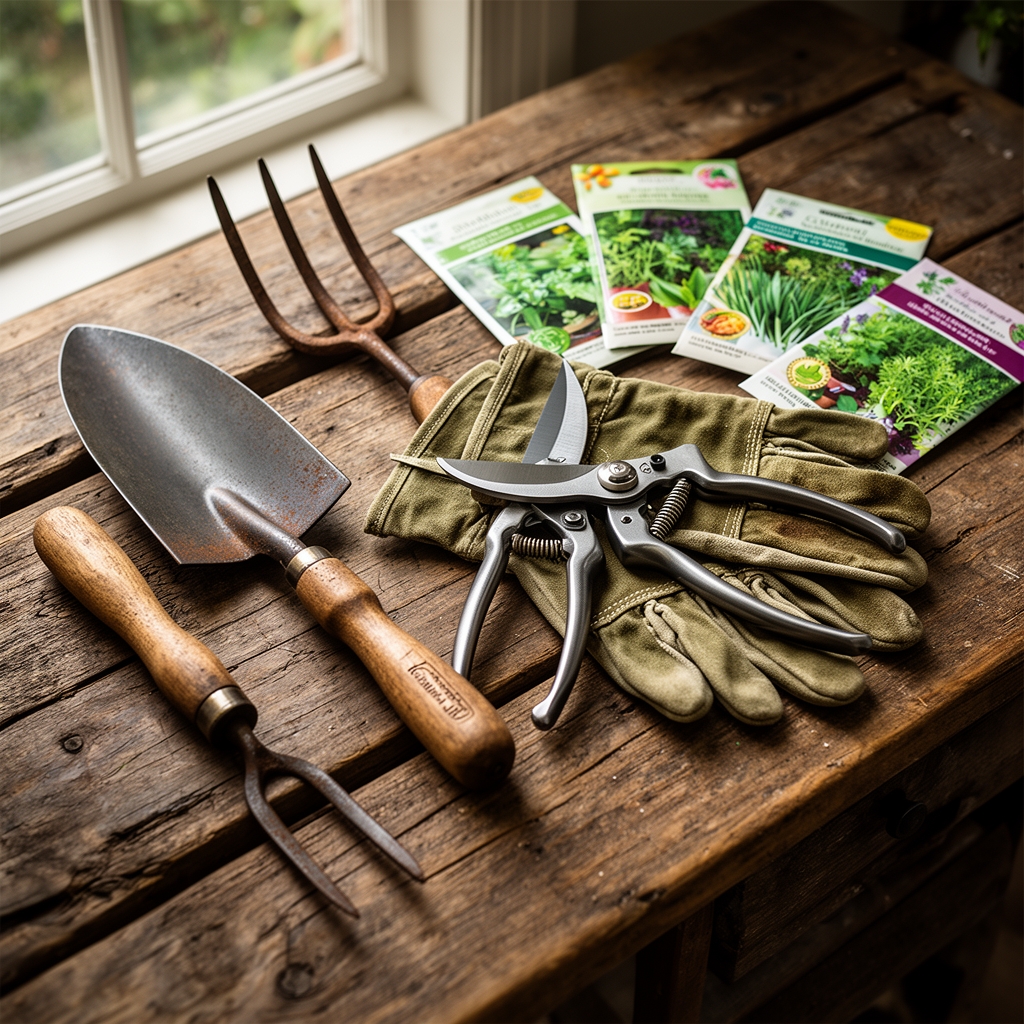
Materials
Select substrate with a pH between 6.2 and 7.0 for Mediterranean herbs (basil, oregano, thyme, rosemary). Parsley and cilantro tolerate slightly more acidic conditions down to pH 5.8. Test cation exchange capacity before planting. Clay-heavy soils above 25 CEC require amendment with perlite or coarse sand at a 1:3 ratio.
For nitrogen-sensitive herbs, apply a 4-4-4 organic meal at 2 tablespoons per gallon of growing medium. This balanced NPK prevents excessive vegetative growth that dilutes essential oil concentration. Basil and cilantro benefit from slightly higher nitrogen (5-3-3) during early vegetative stages, then transition to lower nitrogen formulations two weeks before first harvest.
Mycorrhizal fungi inoculant increases phosphorus uptake in rosemary and thyme by 40 percent in controlled trials. Mix 1 teaspoon of endo-mycorrhizae per transplant hole. Avoid high-phosphorus fertilizers that suppress fungal colonization.
Container specifications matter. Five-gallon fabric pots provide superior drainage and air pruning compared to plastic. For dense plantings, use 12-inch spacing for bushy herbs like basil, 18-inch spacing for woody perennials like rosemary.
Timing
Hardiness Zones 7 through 10 allow year-round herb production with frost protection. Zones 3 through 6 require strategic timing around last and first frost dates.
Start basil, cilantro, and parsley indoors 6 weeks before the last frost date. These annuals require soil temperatures above 50°F for germination. Direct sowing after soil warms to 55°F produces sturdier plants but delays harvest by three weeks.
Perennial herbs (rosemary, thyme, oregano, sage) transplant best in early spring, 2 weeks before the last frost. Their established root systems tolerate light freezes. Fall planting works in Zones 8 through 10, giving roots 8 weeks to establish before winter dormancy.
Cilantro bolts rapidly when day length exceeds 14 hours. Plant every 3 weeks from early spring through late summer for continuous harvest. Choose slow-bolt varieties like 'Calypso' for extended production.
Phases
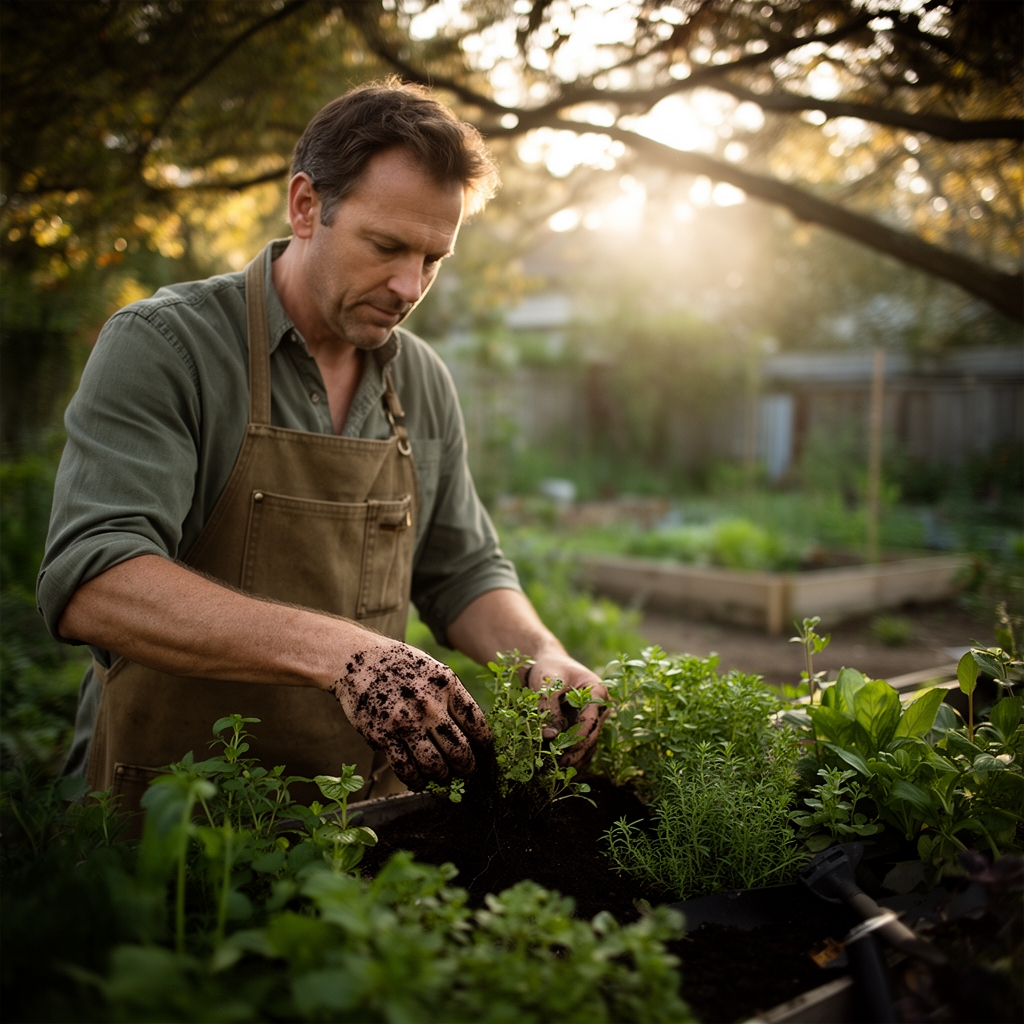
Sowing Phase: Surface-sow basil and press seeds gently into moistened medium. These light-dependent germinators fail when buried deeper than 1/8 inch. Maintain soil temperature at 70°F to 75°F using heat mats. Germination occurs in 5 to 7 days.
Parsley seeds contain germination inhibitors. Soak in room-temperature water for 24 hours, then plant 1/4 inch deep. Expect 14 to 21 days for emergence.
Pro-Tip: Apply 1/4 strength fish emulsion (1-1-1 NPK) when seedlings develop true leaves. This auxin-rich solution promotes lateral branching at nodes.
Transplanting Phase: Harden off seedlings over 7 days by gradually increasing outdoor exposure. Sudden transplant shock reduces essential oil production by up to 30 percent in basil trials.
Transplant on overcast days or in evening to minimize water stress. Water with compost tea containing 20 ppm soluble nitrogen immediately after transplanting. This bridges the gap while roots establish.
Pro-Tip: Pinch growing tips at 6 inches tall, cutting at a 45-degree angle just above a leaf node. This stimulates axillary bud growth and doubles harvestable biomass within 3 weeks.
Establishing Phase: Monitor soil moisture with a probe. Allow the top 2 inches to dry between waterings for woody herbs. Basil and parsley require consistent moisture, drying only the top 1 inch.
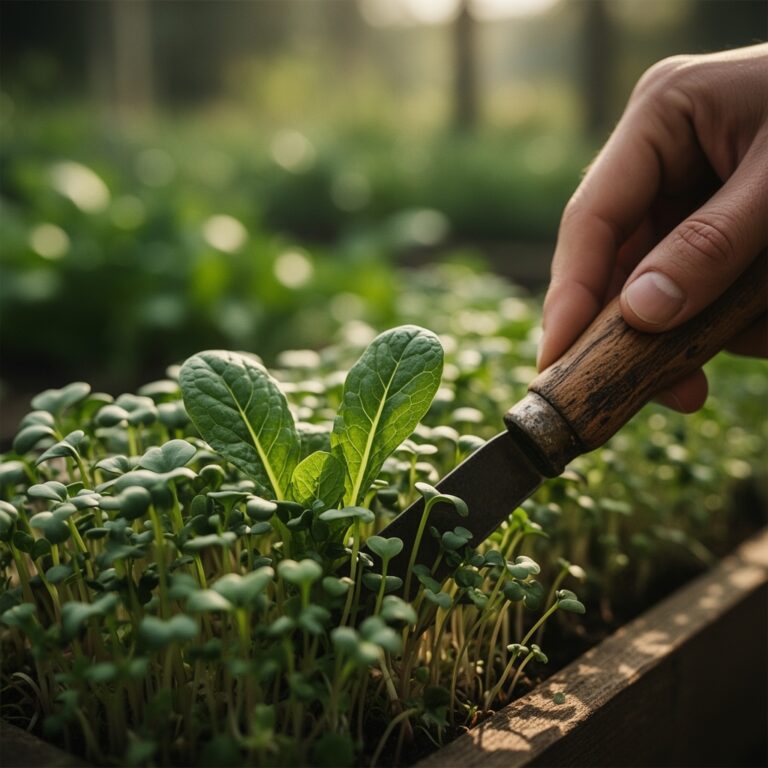
Begin harvest when plants reach 8 inches. Remove no more than one-third of plant mass per cutting to maintain photosynthetic capacity.
Pro-Tip: Harvest in morning after dew evaporates but before temperatures exceed 80°F. Essential oil concentration peaks during this window.
Troubleshooting
Symptom: Yellow lower leaves with green veins on basil. Solution: Iron deficiency from high pH. Drench with chelated iron at 1 tablespoon per gallon. Adjust pH to 6.5 using sulfur.
Symptom: Powdery white coating on oregano leaves. Solution: Powdery mildew from poor air circulation. Space plants wider. Apply 1 tablespoon baking soda per quart water weekly.
Symptom: Rosemary stems blackening from base. Solution: Root rot from overwatering. Reduce irrigation frequency by half. Ensure drainage holes function properly.
Symptom: Cilantro bolts at 4 inches tall. Solution: Heat stress or long photoperiod. Provide afternoon shade. Plant bolt-resistant varieties in summer.
Symptom: Slow growth and pale leaves across all species. Solution: Nitrogen deficiency. Top-dress with blood meal (12-0-0) at 1 tablespoon per square foot.
Maintenance
Water established herbs with 1 inch of water per week, delivered in two 0.5-inch sessions. Drip irrigation maintains consistent soil moisture better than overhead watering.
Feed every 4 weeks with 4-4-4 organic fertilizer at half the label rate. Excessive fertility produces leafy growth with diluted flavor compounds.
Prune woody herbs (rosemary, thyme) by one-third in early spring before new growth. Cut above woody tissue into green stems. This rejuvenates plants and prevents center dieback.
Mulch annual herbs with 1 inch of straw to regulate soil temperature and suppress weeds. Keep mulch 2 inches away from stems to prevent fungal issues.
FAQ
When should I harvest herbs for maximum flavor?
Harvest leafy herbs just before flowering when essential oil concentration peaks. Cut in morning after dew dries but before 10 AM.
Can I grow different herbs together?
Group by water needs. Mediterranean herbs (rosemary, thyme, oregano) thrive together in drier conditions. Plant basil, parsley, and cilantro separately with higher moisture.
How do I dry herbs while preserving flavor?
Hang small bundles in dark, well-ventilated space at 60°F to 70°F. Drying in direct light or above 80°F volatilizes essential oils.
What causes bitter-tasting basil?
Flowering triggers bitter compounds. Pinch flower buds immediately when spotted. Harvest before plants mature past 12 inches.
How long do homegrown herb mixes stay flavorful?
Dried herbs maintain peak flavor for 6 months when stored in airtight containers away from light and heat. Whole leaves retain oils longer than pre-ground mixes.