10 Best Kaffir Lime Tree Care Secrets
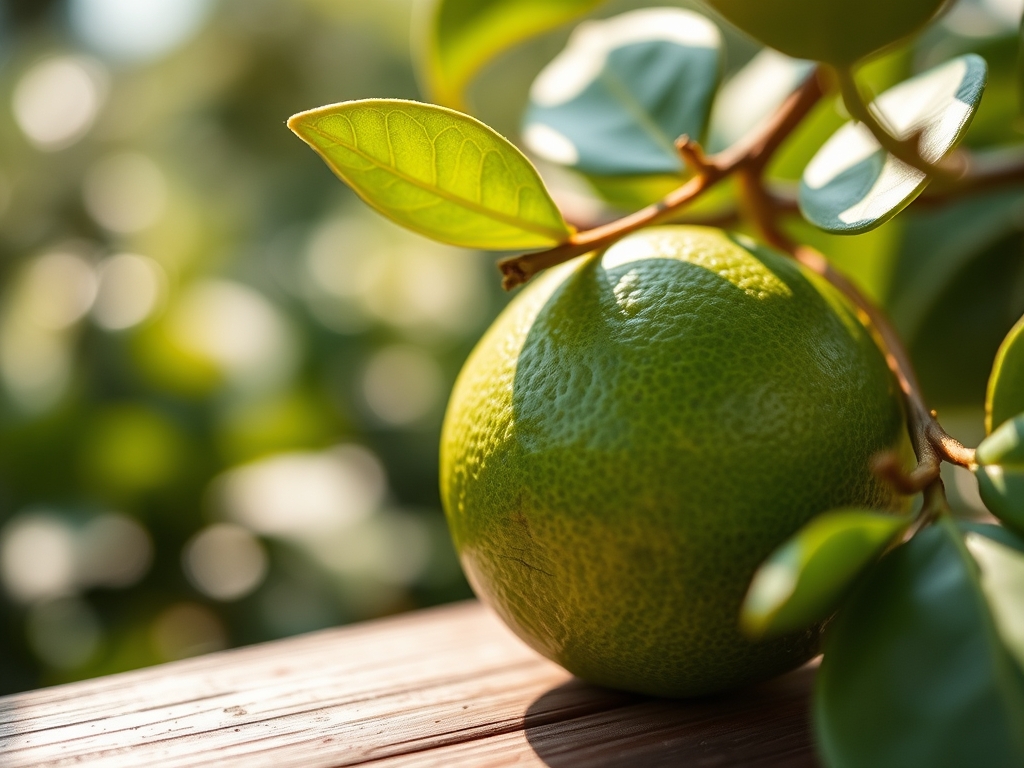
Crushing a double-lobed leaf between your thumb and forefinger releases a volatile oil profile dominated by citronellal and limonene. The scent is sharp; it is the olfactory signature of a tree in peak physiological health. Achieving this level of terpene density requires more than casual watering. It demands a rigorous approach to soil chemistry and environmental control. For those seeking the best kaffir lime tree care, success is measured by leaf turgor pressure and the structural integrity of the lignified stems.
The Citrus hystrix, often referred to as the Makrut lime, is a botanical powerhouse that thrives when its rhizosphere is managed with precision. This tree does not tolerate neglect or anaerobic soil conditions. You must monitor the moisture levels at the root zone daily to prevent cellular collapse. A healthy specimen displays deep green foliage without the yellowing of interveinal chlorosis. Every management decision, from the specific gravity of your fertilizer solution to the micron rating of your frost cloth, dictates the tree's ability to synthesize essential oils and maintain a robust canopy.
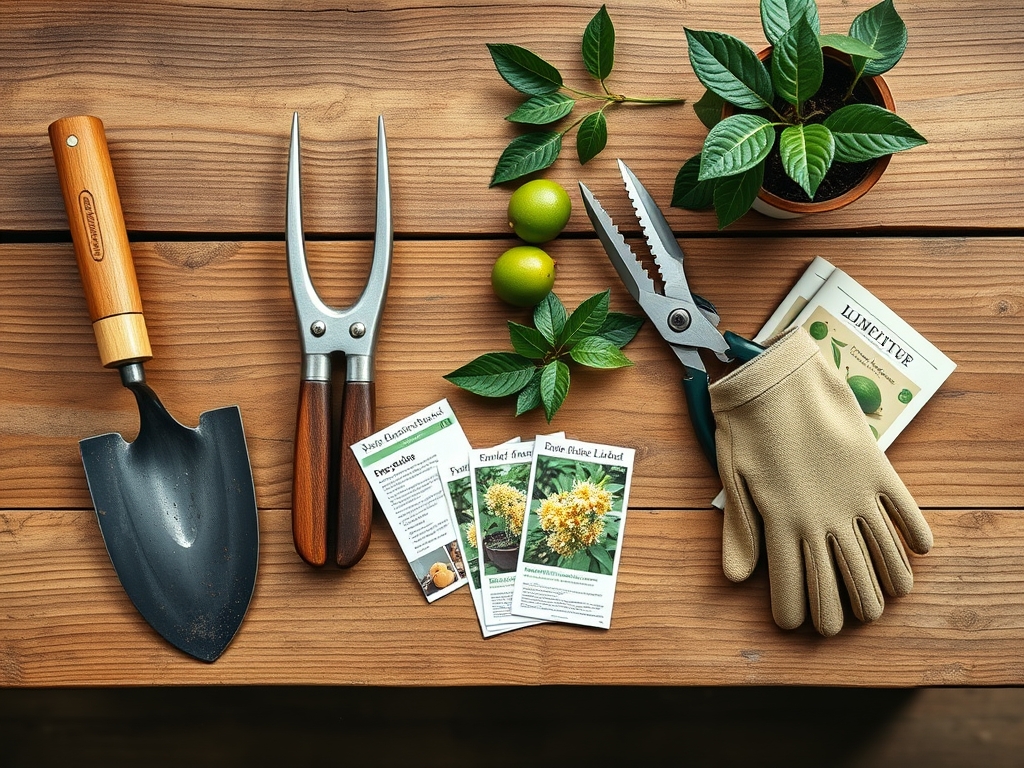
Materials:
The foundation of kaffir lime health is a soil pH between 6.0 and 6.5. This range ensures maximum bioavailability of micronutrients like iron and manganese. The substrate must be a friable loam consisting of 40 percent composted organic matter, 40 percent coarse sand or perlite, and 20 percent topsoil. This composition facilitates a high Cation Exchange Capacity (CEC), allowing the roots to efficiently swap hydrogen ions for essential nutrients.
Nutrient requirements shift based on the growth stage, but a baseline NPK ratio of 5-1-3 is ideal for vegetative leaf production. Nitrogen drives the chlorophyll synthesis necessary for those iconic dark leaves. You will also need a calcium-magnesium supplement to prevent leaf curl and blossom end rot if the tree reaches the reproductive stage. Use a soil moisture meter with a 10-inch probe to ensure you are monitoring the moisture levels where the majority of the fibrous roots reside.
Timing:
Kaffir lime trees are strictly tropical and subtropical, thriving in USDA Hardiness Zones 9 through 11. They enter a state of metabolic dormancy if temperatures drop below 50 degrees Fahrenheit. True physiological damage occurs at 32 degrees Fahrenheit, where ice crystals rupture cell walls. You must time your outdoor transitions based on the last frost date of your microclimate; wait until nighttime lows consistently exceed 55 degrees Fahrenheit.
The biological clock of the tree is governed by the photoperiod. During the long days of summer, the tree focuses on vegetative expansion. As light intensity decreases in autumn, the tree slows its metabolic rate. If you are growing indoors under lights, maintain a 12 to 14 hour light cycle using full-spectrum LEDs to mimic equatorial conditions. This consistency prevents premature leaf senescence and keeps the tree in a perpetual state of growth.
Phases:
Sowing and Germination
Starting from seed requires a constant substrate temperature of 75 to 80 degrees Fahrenheit. Use a heat mat to maintain this range. Seeds should be planted 0.5 inches deep in a sterile seed-starting mix to prevent damping-off pathogens. Germination typically occurs within 14 to 21 days.
Pro-Tip: Maintain high humidity around the seedling to reduce transpiration stress. The Biological Why involves the undeveloped cuticle of the young leaf; until the waxy layer thickens, the plant cannot effectively regulate water loss through its stomata.
Transplanting
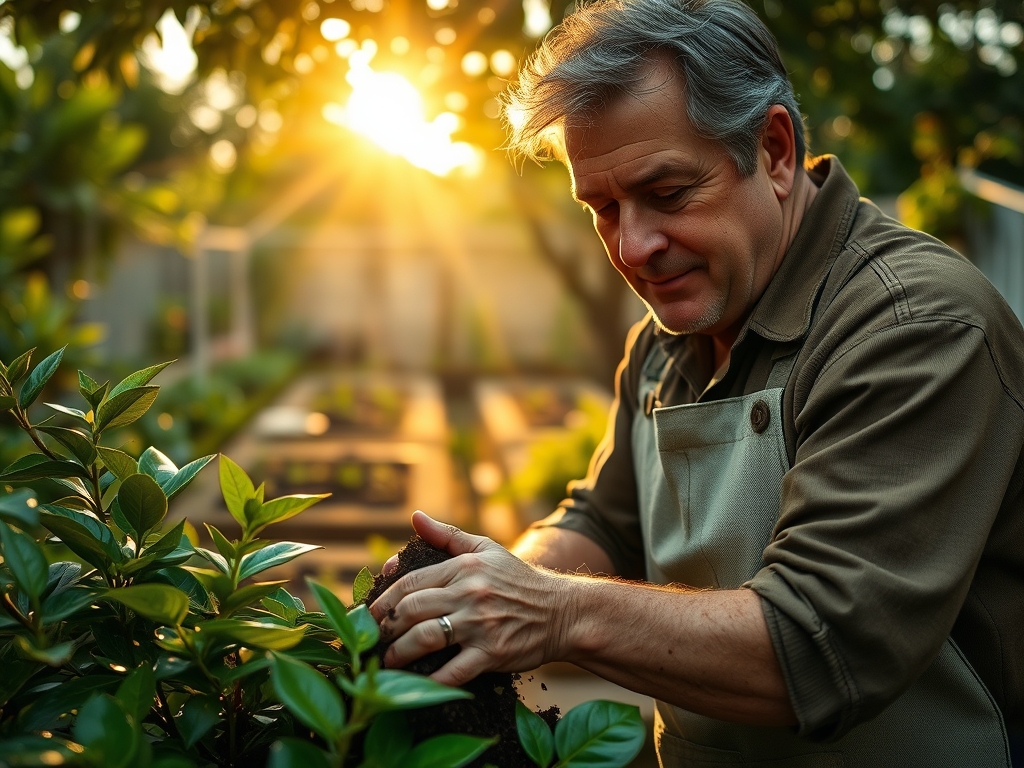
Move the sapling when it reaches 6 inches in height and has developed at least three sets of true leaves. When moving the plant to a larger vessel, ensure the root ball is not buried deeper than its original position. Use a hori-hori knife to gently loosen any circling roots to prevent future girdling.
Pro-Tip: Dust the root ball with mycorrhizal fungi during the move. The Biological Why is mycorrhizal symbiosis; these fungi extend the root system's surface area, significantly increasing the uptake of phosphorus and water.
Establishing
During the first 90 days post-transplant, the tree establishes its primary root architecture. Water the tree when the top 2 inches of soil feel dry. Avoid heavy pruning during this phase to allow the plant to maximize its photosynthetic surface area.
Pro-Tip: Use a stake to provide structural support but allow for slight movement. The Biological Why is thigmomorphogenesis; physical stress from wind or movement signals the tree to produce more lignin, resulting in a thicker, stronger trunk.
The Clinic:
Physiological disorders often mimic pest damage but are usually rooted in environmental stress.
-
Symptom: Interveinal Chlorosis (Yellow leaves with green veins).
Solution: This is a classic sign of iron deficiency, often caused by a pH above 7.0. Apply a chelated iron drench and adjust the soil pH using elemental sulfur to bring it back to the 6.0 to 6.5 range. -
Symptom: Leaf Drop (Sudden loss of green leaves).
Solution: This usually indicates a radical change in temperature or light intensity. If moving the tree indoors, do so gradually over 10 days. Ensure the tree is not placed near HVAC vents which cause rapid desiccation. -
Symptom: Cupped or Distorted Leaves.
Solution: Often a calcium deficiency or an infestation of sap-sucking insects. Check the undersides of leaves. If no insects are present, add a liquid calcium nitrate supplement at a rate of 1 teaspoon per gallon of water. -
Symptom: Nitrogen Chlorosis (Uniform paling of old leaves).
Fix-It: Increase the frequency of your high-nitrogen fertilizer applications. Nitrogen is a mobile nutrient; the plant will pull it from old growth to support new shoots if the soil supply is depleted.
Maintenance:
Precision maintenance is the difference between a surviving tree and a thriving one. Apply 1.5 inches of water per week at the drip line. Avoid wetting the trunk directly to prevent phytophthora root rot. Use bypass pruners for all structural cuts. Always sanitize your blades with 70 percent isopropyl alcohol between trees to prevent the spread of vascular pathogens.
Pruning should focus on removing "water sprouts"—vigorous vertical shoots that sap energy from the main canopy. Thin out the interior of the tree to improve airflow and light penetration. This reduces the humidity levels within the canopy, which discourages fungal spore germination. Monitor the soil with your moisture meter twice weekly; container-grown trees can reach the permanent wilting point rapidly in high heat.
The Yield:
Harvesting kaffir lime leaves is a selective process. Focus on the mature, dark green leaves which contain the highest concentration of essential oils. Use sharp scissors to snip the petiole; never pull the leaf, as this can tear the bark. If you are harvesting the bumpy fruit, wait until they are 2 inches in diameter and have turned a dull green.
To maintain "day-one" freshness, place harvested leaves in a sealed bag with a damp paper towel and refrigerate immediately. This maintains turgor pressure and prevents the volatile oils from oxidizing. For long-term storage, the leaves can be frozen without significant loss of flavor or aromatic potency.
FAQ:
How much sunlight does a kaffir lime tree need?
The tree requires at least 8 to 12 hours of direct sunlight daily. If grown indoors, use high-output fluorescent or LED grow lights to meet this requirement. Insufficient light leads to leggy growth and reduced oil production.
Why are the leaves on my kaffir lime turning yellow?
Yellowing is typically caused by nitrogen deficiency or overwatering. Check soil moisture first. If the soil is not saturated, apply a nitrogen-rich fertilizer. If veins remain green while the leaf yellows, check for iron deficiency and soil pH.
How often should I fertilize my kaffir lime tree?
During the active growing season (spring through late summer), fertilize every 4 to 6 weeks. Use a balanced citrus fertilizer with micronutrients. Reduce fertilization frequency to once every 3 months during the winter dormant period.
Can kaffir lime trees grow in pots?
Yes, they thrive in containers if provided with excellent drainage. Use a pot with multiple drainage holes and a high-quality citrus potting mix. Repot every 2 to 3 years to refresh the substrate and prevent the tree from becoming root-bound.