9 Easy Ways How to Make Dandelion Salads
Dandelion leaves arrive on the spring table with a sharp, mineral bite that signals soil still cool from winter frost. The first greens push through lawns and field edges with serrated margins and a bitterness that mellows under hot bacon fat or lemon juice. Learning how to make dandelion salads begins not in the kitchen but in the garden bed, where Taraxacum officinale responds to deliberate cultivation with tenderness and flavor unknown to roadside volunteers. The wild forage can deliver grit and variability. The cultivated row delivers consistency, lower oxalate levels, and leaves pale enough to rival endive.
Materials
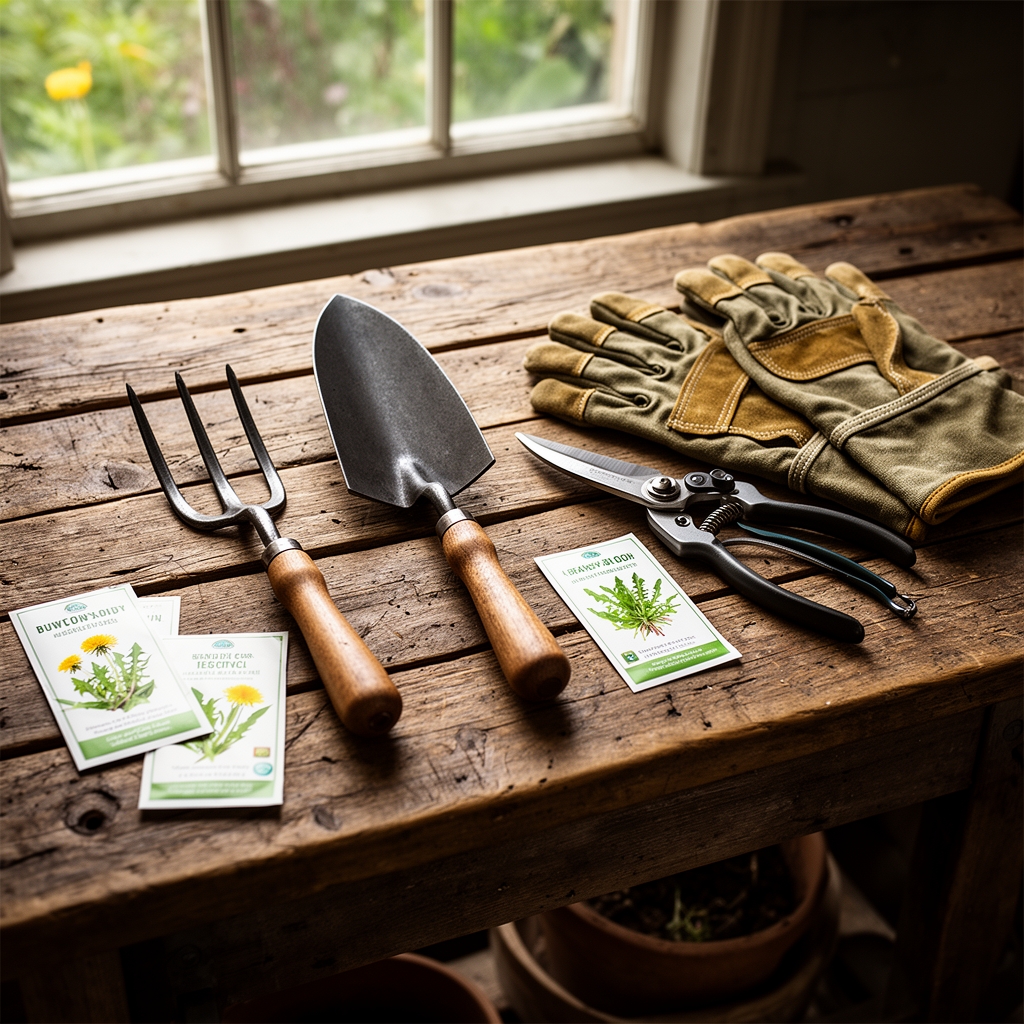
Soil pH between 6.0 and 7.5 supports optimal nutrient uptake. A balanced organic amendment rated 4-4-4 supplies nitrogen for leaf development without pushing excessive bitterness. Compost aged six months or longer improves cation exchange capacity and provides slow-release phosphorus. Potassium sulfate at 1 lb per 100 square feet strengthens cell walls and improves storage quality post-harvest.
Seed selection matters. French heirloom varieties such as 'Ameliore a Coeur Plein' and Italian 'Catalogna' offer broader leaves and reduced latex production. Mycorrhizal inoculant applied at seeding improves phosphorus scavenging in lean soils. A soil test revealing less than 25 ppm phosphorus justifies addition of bone meal at 2 lbs per 100 square feet.
Tools include a broadfork for initial tillage to 12 inches, a seed plate drill calibrated to 1/4-inch depth, and row covers rated to 0.5 oz per square yard for early season protection. Drip irrigation on 12-inch centers maintains even moisture without foliar disease pressure.
Timing
Dandelion germination requires soil temperatures between 50 and 65 degrees Fahrenheit. In USDA Hardiness Zone 5, direct sow two weeks before the last expected spring frost. Zone 7 gardeners can sow in late February. Fall crops in Zone 6 go into the ground by mid-August to mature before hard freeze.
Seed viability peaks in the first year and declines sharply after 24 months. Store in airtight containers at 40 degrees Fahrenheit. Germination occurs in 7 to 14 days under consistent moisture. Transplanting from cell trays to field occurs at the two-true-leaf stage, approximately 21 days post-seeding.
Photoperiod influences bolting. Long days beyond 14 hours trigger flowering. Spring-sown crops harvested before summer solstice avoid bitterness associated with floral induction and auxin redistribution toward reproductive structures.
Phases

Sowing: Broadcast seed at 20 seeds per row foot or drill in rows spaced 10 inches apart. Cover with 1/4 inch of fine compost. Firm soil contact with a roller or the back of a rake. Water with a fan nozzle to deliver 1/2 inch immediately post-sowing. Mulch paths with straw to suppress competing species.
Pro-Tip: Pregerminate seed on moist paper towels at 60 degrees for 48 hours to synchronize emergence and reduce days to harvest by up to five days.
Transplanting: Lift seedlings with a dibber at 3 inches tall. Space 6 inches within row, 10 inches between rows. Set crown at soil line to prevent rot. Water with a dilute fish emulsion solution at 1 tablespoon per gallon to reduce transplant shock.
Pro-Tip: Trim tap roots to 4 inches before transplanting. This pruning encourages lateral root proliferation and improves drought resilience.
Establishing: Side-dress with blood meal at 1/4 cup per 10 row feet when plants reach 6 inches. Blanch inner leaves by mounding soil around crowns or applying opaque row fabric two weeks before harvest. This reduces chlorophyll and bitterness while increasing tenderness.
Pro-Tip: Foliar application of kelp extract at 1 tablespoon per gallon weekly during establishment increases micronutrient density, particularly iron and manganese, by 12 to 18 percent.
Troubleshooting
Symptom: Yellowing older leaves with interveinal chlorosis.
Solution: Magnesium deficiency. Apply Epsom salts at 1 tablespoon per gallon as a drench or foliar spray.
Symptom: Stunted rosettes with bronzed leaf margins.
Solution: Potassium deficiency exacerbated by high nitrogen. Reduce N inputs and top-dress with wood ash at 1/2 cup per 10 square feet.
Symptom: Small brown lesions with yellow halos on leaf blades.
Solution: Pseudomonas leaf spot. Remove affected foliage. Avoid overhead irrigation. Apply copper hydroxide at labeled rates.
Symptom: Wilting despite adequate soil moisture.
Solution: Root aphids feeding on tap root. Drench soil with insecticidal soap at 2 percent concentration. Introduce beneficial nematodes (Steinernema feltiae) at 5 million per 100 square feet.
Maintenance
Irrigate to maintain soil moisture at field capacity, approximately 1 inch per week delivered in two sessions. Monitor soil with a tensiometer; irrigate when readings exceed 30 centibars. Weed by hand or shallow cultivation to avoid damaging the tap root.
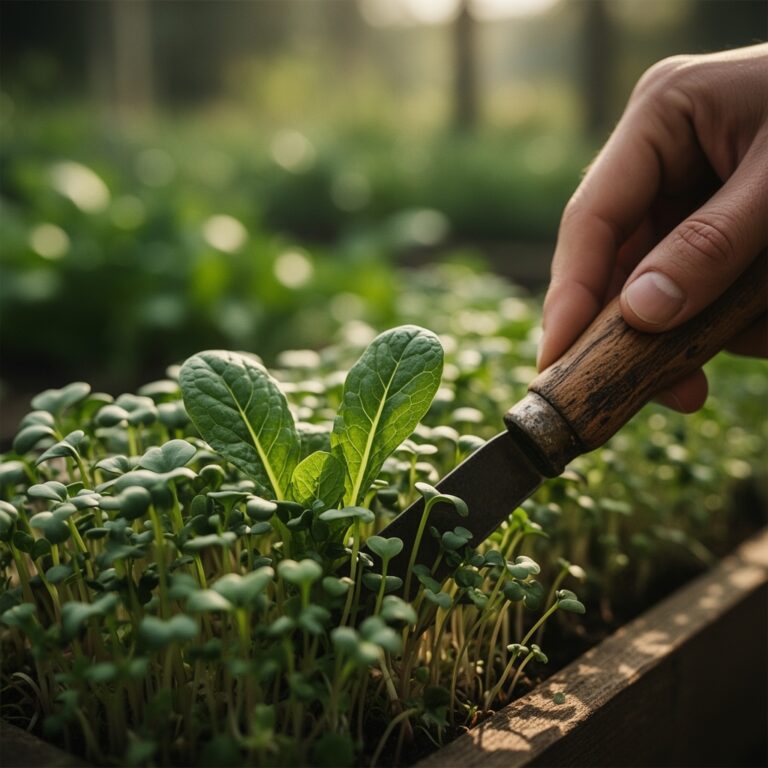
Thin seedlings to final spacing when true leaves emerge. Remove bolting plants immediately to redirect energy to vegetative neighbors. Harvest outer leaves continuously once plants reach 8 inches in diameter. Cut with a sharp knife 1 inch above the crown to encourage regrowth.
Fertilize every three weeks with a 3-1-2 liquid organic blend at half strength. Cease nitrogen applications two weeks before final harvest to reduce nitrate accumulation.
FAQ
When is the best time to harvest dandelion greens?
Early morning after dew has dried. Leaves contain lower latex and higher water content. Harvest before flower buds appear.
Can I grow dandelions indoors?
Yes. Provide 12 hours of full-spectrum light at 200 foot-candles. Use containers 8 inches deep. Expect slower growth than field plants.
How do I reduce bitterness?
Blanch by excluding light for 10 to 14 days. Soak harvested leaves in ice water for 30 minutes. Select young leaves under 4 inches.
What pests attack cultivated dandelions?
Aphids, flea beetles, and slugs. Use row covers during establishment. Hand-pick slugs at night. Release ladybugs for aphid biocontrol.
How long does a dandelion planting produce?
Perennial crowns yield for three to five years with proper management. Productivity declines as tap roots lignify. Replant from seed every three years.