8 Vital Steps to Tart Apple Types
The first bite into a Granny Smith or a Northern Spy delivers a mouth-puckering surge of malic acid, a sharp clarity that pastry chefs and cider makers prize above all else. Understanding the steps to tart apple types begins with recognizing that acidity is not an accident but a cultivated trait, shaped by rootstock genetics, soil chemistry, and precise horticultural intervention. These cultivars thrive where summers remain cool and soils maintain a cation exchange capacity above 12 meq/100g, allowing calcium uptake that firms flesh and intensifies acid retention.
Materials
Soil preparation dictates the success of tart apple cultivars. Test and adjust pH to a range of 6.0 to 6.8. This range maximizes nutrient bioavailability without encouraging fire blight susceptibility. Apply a balanced organic amendment at a 4-4-4 NPK ratio, such as feather meal, bone meal, and kelp blend, at 3 pounds per 100 square feet. Supplement with dolomitic limestone if magnesium levels fall below 80 ppm.
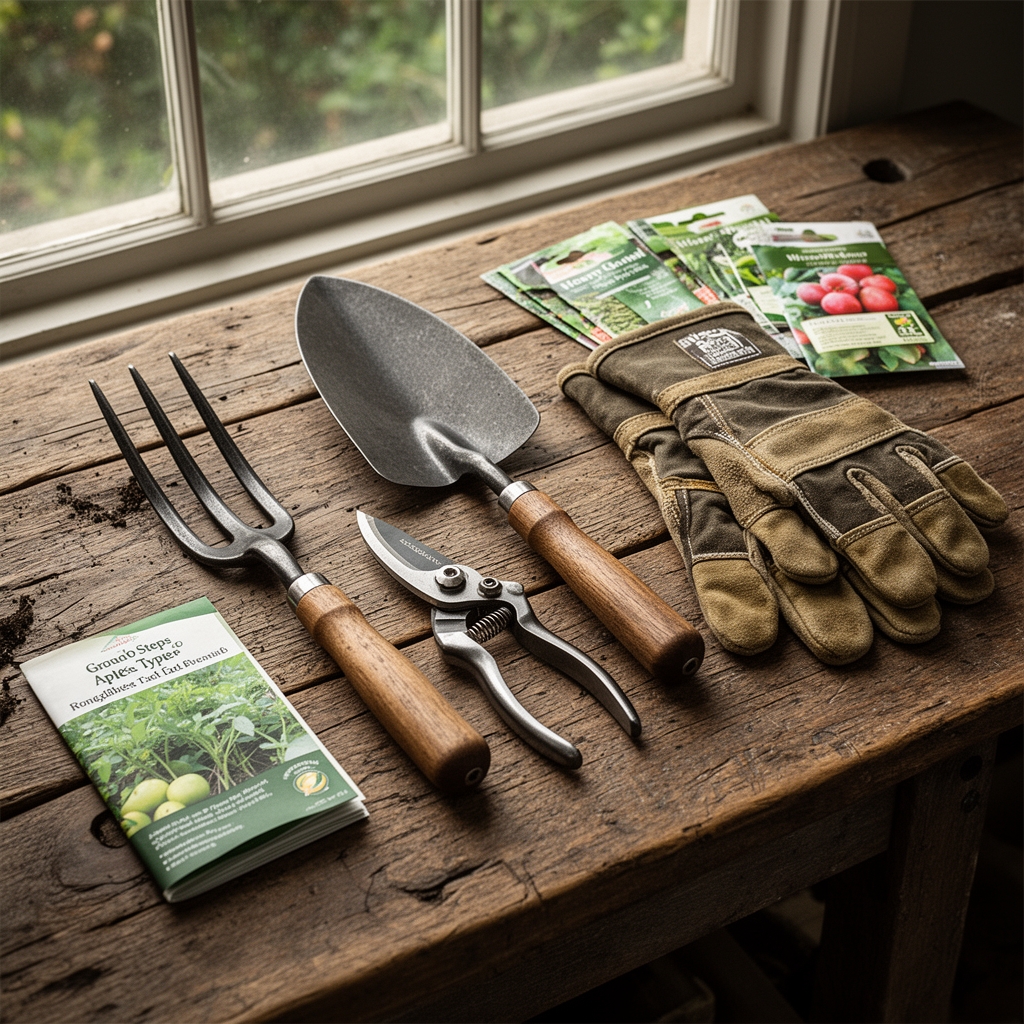
Rootstock selection is non-negotiable. For tart types, M.7 or M.26 semi-dwarf rootstocks offer vigor while constraining size to manageable 12- to 15-foot canopies. These stocks tolerate moderate drainage imperfections and anchor deeply enough to resist wind shear. Procure certified virus-free scion wood from repositories such as the USDA National Plant Germplasm System. Grafting tape, pruning shears sterilized with 10% bleach solution, and mycorrhizal inoculant (minimum 150 propagules per gram) complete the kit.
Mulch with 3 inches of aged hardwood bark, kept 6 inches clear of the trunk to prevent crown rot. Install drip irrigation with emitters delivering 0.5 gallons per hour at 18-inch spacing.
Timing
Plant bareroot stock in Zones 3 through 7 between late March and early May, contingent on soil temperature exceeding 45°F at a 6-inch depth. In Zones 8 and 9, shift planting to late December through February to exploit winter dormancy and avoid heat stress during establishment.
Graft scion wood during the rootstock's dormant period, targeting late February in Zone 5 or early March in Zone 4. Budding may occur in late July through August when bark slips freely, indicating active cambium. Chill hour requirements for tart apples range from 800 to 1,200 hours below 45°F. Cultivars such as 'Bramley's Seedling' demand the upper threshold, while 'Wealthy' tolerates the lower bound.
Phases
Sowing and Grafting
Start rootstock from seed in sterile seedling mix only if experimenting with wild genetics. Commercial growers purchase certified rootstock. Bench grafting indoors in late winter allows controlled wound healing. Use the whip-and-tongue method for maximum cambial contact. Seal the union with grafting wax to prevent desiccation.
Pro-Tip: Soak rootstock roots in a slurry of endo- and ectomycorrhizal fungi for 20 minutes before planting. This colonization accelerates phosphorus uptake and stress tolerance by 30%.
Transplanting
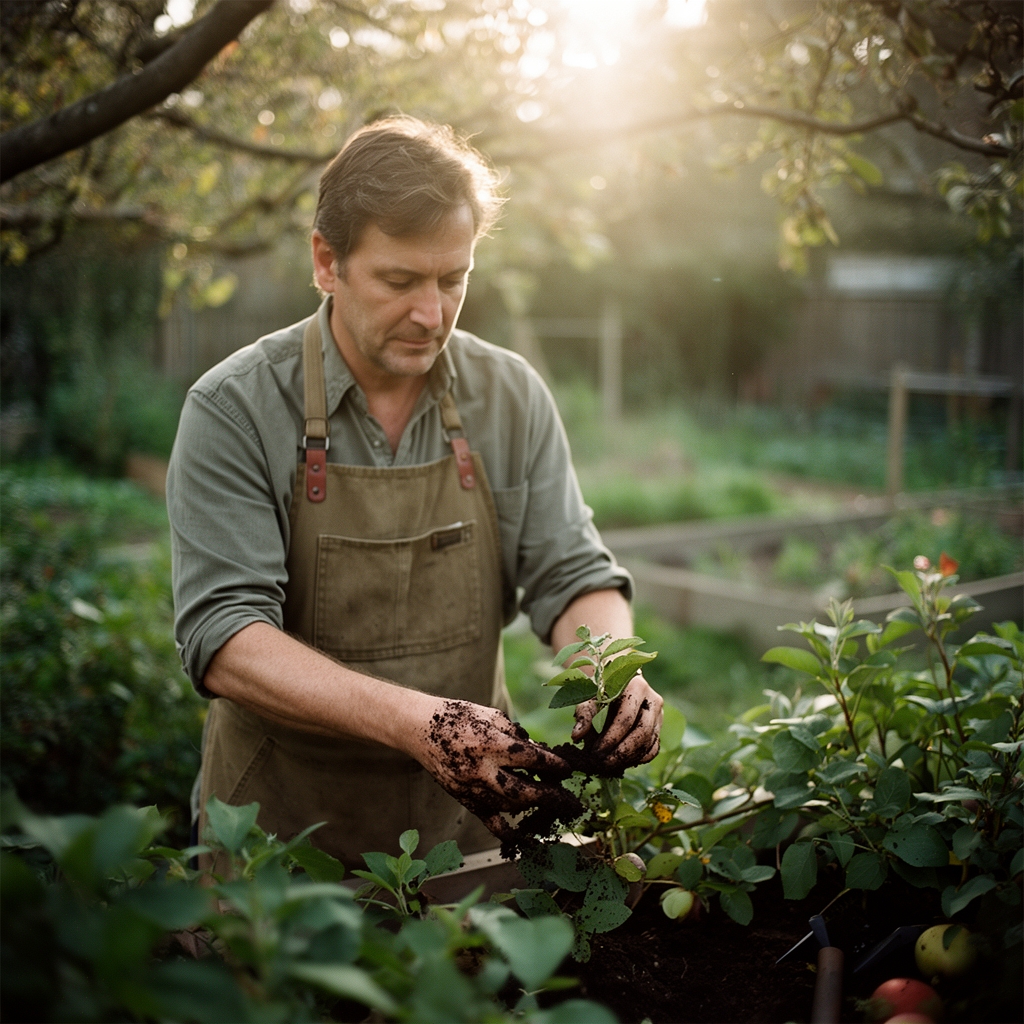
Dig a hole twice the width of the root ball but no deeper than the original graft union height. Position the union 2 inches above final soil grade to prevent scion rooting, which negates rootstock vigor control. Spread roots radially, backfill with native soil, and water with 5 gallons to eliminate air pockets.
Pro-Tip: Prune the central leader to 30 inches at planting to redirect auxin distribution into lateral scaffold development at 60- to 90-degree angles.
Establishing
First-year priorities focus on root expansion, not fruit load. Remove all blossoms to prevent premature fruiting that stunts tree architecture. Apply 0.25 pounds of 10-10-10 granular fertilizer in a 2-foot radius around the trunk in late April, then again in mid-June. Cease nitrogen after July 15 to harden off growth before frost.
Pro-Tip: Train scaffolds with spreaders or weighted clips to maintain wide crotch angles. Narrow angles below 45 degrees invite bark inclusion and structural failure under crop load.
Troubleshooting
Symptom: Leaf margins exhibit interveinal chlorosis with necrotic spotting by mid-July.
Solution: Potassium deficiency. Side-dress with sulfate of potash at 0.5 pounds per tree. Retest soil; target 180 ppm potassium.
Symptom: Fruit develops corky brown patches beneath the skin, concentrated at the calyx end.
Solution: Bitter pit caused by calcium imbalance. Apply foliar calcium chloride at 0.5% solution biweekly from petal fall through three weeks before harvest.
Symptom: Succulent shoot tips wilt and blacken, curling into a shepherd's crook.
Solution: Fire blight infection. Prune 12 inches below symptomatic tissue into healthy wood. Sterilize tools between cuts. Apply streptomycin or Bacillus subtilis sprays during bloom at 40% open flowers.
Symptom: Small, russeted scars encircle young fruit.
Solution: Apple scab lesions from Venturia inaequalis. Remove fallen leaves to eliminate overwintering inoculum. Apply captan fungicide at pink bud stage and repeat at 7- to 10-day intervals through petal fall.
Maintenance
Deliver 1 inch of water weekly from bud break through leaf drop. Measure with a rain gauge; supplement via drip irrigation during dry spells exceeding five days. In sandy soils, increase frequency to twice weekly at 0.5 inches per session to match infiltration rates.
Prune annually in late February. Remove water sprouts, crossing branches, and any growth inward toward the canopy center. Maintain an open center or modified leader form to ensure sunlight penetration and air circulation reach all fruiting spurs.
Thin fruit to one apple per cluster when fruitlets reach 0.5 inches in diameter, approximately 30 days post-bloom. This practice channels carbohydrate reserves into fewer fruits, enhancing size and acid concentration.
FAQ
When do tart apples reach harvest maturity?
Most tart cultivars mature between late August and mid-October, depending on variety and zone. Measure starch conversion with iodine tests; harvest when the starch index reaches 3 to 4 on an 8-point scale.
Can I grow tart apples in containers?
Yes, using M.27 or M.9 rootstocks in 20-gallon containers. Ensure drainage holes and use a soilless mix amended with perlite at 30% volume.
Do tart apples require cross-pollination?
Most tart varieties are self-unfruitful. Plant a second cultivar within 50 feet that blooms concurrently, such as 'Golden Delicious' or a crabapple pollinator.
How do I increase acidity in my apples?
Avoid excess nitrogen, which promotes vegetative growth at the expense of fruit quality. Harvest slightly earlier in the maturity window to capture peak malic acid before respiration converts it to sugars.
What causes biennial bearing in tart apples?
Heavy crop years deplete carbohydrate reserves, suppressing flower bud initiation for the following season. Consistent fruit thinning and moderate nitrogen application stabilize annual yields.