7 Quick Ways How to Build a Bamboo Screen
Crushing a handful of friable loam reveals the metallic scent of geosmin and the presence of beneficial actinobacteria. When you grasp a Phyllostachys culm, the cool, waxy cuticle and the palpable turgor pressure within the vascular tissue signal a plant ready for propagation. Learning how to build a bamboo screen requires more than aesthetic placement; it demands an understanding of rhizome architecture and the high metabolic demands of the Poaceae family. Successful screening relies on selecting species that balance rapid biomass production with structural integrity. You are engineering a living wall that must withstand wind shear and hydraulic stress while maintaining a dense canopy of lanceolate leaves. This process begins in the rhizosphere, where nutrient availability and soil structure dictate the speed of vertical expansion.
Materials:
The success of your screen depends on a substrate with a high **Cation Exchange Capacity (CEC)**. Bamboo is a heavy feeder that requires a soil pH between **5.5 and 6.5**. Prepare a planting medium consisting of 60 percent sandy loam, 20 percent well rotted organic compost, and 20 percent coarse perlite for aeration.
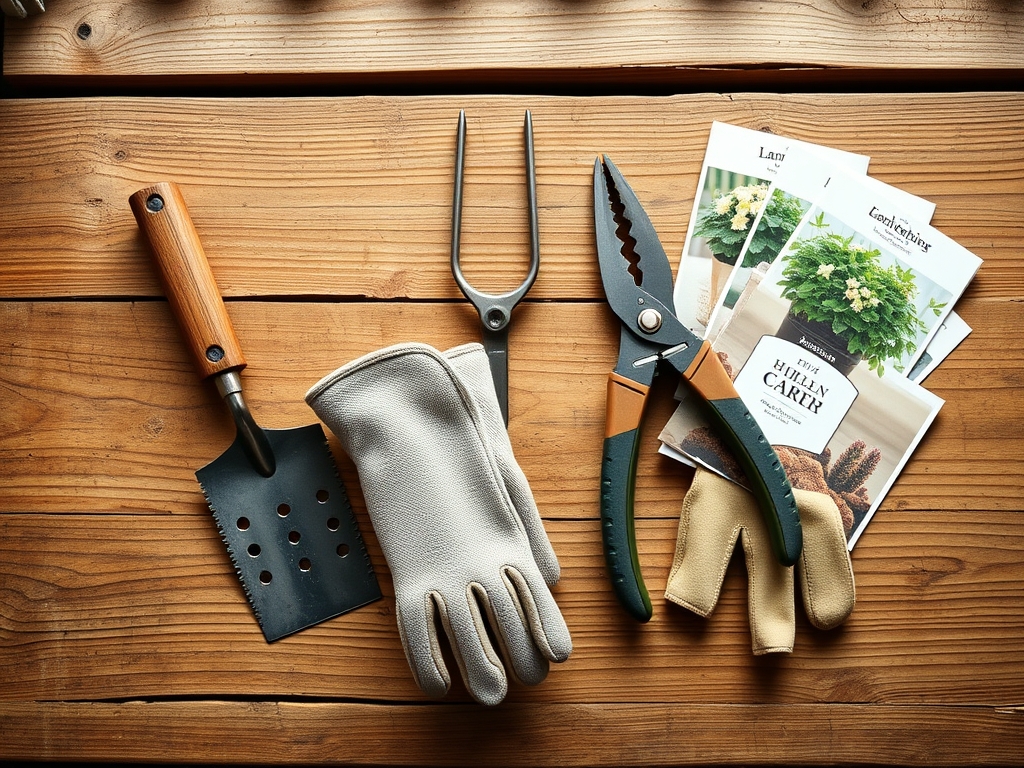
For the initial establishment, utilize a slow release fertilizer with an NPK ratio of 10-5-5. The high nitrogen content supports the development of chlorophyll and vegetative biomass. For mature screens, transition to a 21-5-6 formula to maintain deep green foliage. You will also need a 60-mil high-density polyethylene (HDPE) root barrier if planting running varieties. This barrier must be at least 24 to 30 inches deep to intercept leptomorph rhizomes. Ensure you have a soil moisture meter and a hori-hori knife for precise root manipulation during the installation phase.
Timing:
Bamboo follows a strict biological clock governed by soil temperature and photoperiod. In Hardiness Zones 7 through 10, the optimal window for planting is early spring, just as the soil temperature reaches a consistent 55 degrees Fahrenheit. This timing allows the root system to establish before the plant enters its "shooting" phase in late spring or early summer.
During the vegetative stage, the plant focuses on subterranean rhizome expansion. As the photoperiod lengthens, the plant shifts energy toward culm production. Avoid transplanting during the heat of mid-summer; high evapotranspiration rates can lead to leaf scorch and systemic dehydration. In colder regions, ensure the screen is established at least three months before the first frost to allow for sufficient root lignification.
Phases:
Sowing and Selection
While bamboo can be grown from seed, most screens are built using 2 to 5 gallon nursery stock for immediate impact. If using seeds, maintain a constant temperature of 70 degrees Fahrenheit and high humidity. For nursery stock, inspect the root ball for healthy, white rhizome tips. Avoid plants with circling roots or signs of pot-binding, as this limits the plant's ability to reach its genetic height potential.
Pro-Tip: Ensure the rhizome neck is not buried too deep. Bamboo utilizes geotropism to orient its growth; burying the culm base more than two inches below the soil line can lead to anaerobic rot and fungal pathogens.
Transplanting
Dig a trench twice as wide as the root ball but no deeper. Space clumping varieties (pachymorph) at 3-foot intervals and running varieties (leptomorph) at 5-foot intervals. If installing a running variety, tilt the HDPE barrier at a 15-degree angle away from the planting area. This forces rhizomes upward when they hit the barrier, making them easier to prune.
Pro-Tip: Apply a mycorrhizal inoculant to the root zone during transplanting. This establishes a symbiotic relationship that increases the surface area of the root system, enhancing phosphorus uptake and drought resistance.
Establishing
Backfill the trench with your prepared loam and tamp down firmly to eliminate air pockets. Water immediately to a depth of 12 inches. Apply a 3-inch layer of organic mulch, such as wood chips or pine bark, to regulate soil temperature and conserve moisture.
Pro-Tip: Maintain high turgor pressure during the first six weeks. Bamboo leaves will curl longitudinally as a physiological response to water stress; this is a defense mechanism to reduce the surface area for transpiration.
The Clinic:
Physiological disorders in bamboo often manifest in the foliage.
- Nitrogen Chlorosis: Leaves turn pale yellow, starting with older growth. Fix-It: Apply a high-nitrogen liquid fertilizer (30-10-10) for rapid absorption through the roots.
- Iron Deficiency: Interveinal yellowing on new leaves while veins remain green. This occurs if soil pH exceeds 7.0. Fix-It: Amend soil with chelated iron and elemental sulfur to lower the pH.
- Leaf Tip Burn: Brown, crispy leaf tips caused by excessive salt buildup or fluoride in tap water. Fix-It: Flush the soil with 3 to 5 inches of rainwater or filtered water to leach out accumulated salts.
- Mite Damage: Small yellow stippling on the upper leaf surface. Fix-It: Increase local humidity and use a high-pressure water spray to mechanically remove the pests from the underside of the leaves.
Maintenance:
A mature bamboo screen requires 1.5 inches of water per week, delivered via drip irrigation at the drip line. Use a soil moisture meter to ensure the top 6 inches of soil remain moist but not saturated. Over-saturation leads to root hypoxia.
Pruning should be performed annually using bypass pruners for small branches and a reciprocating saw for thick culms. Remove any culms that are more than five years old; these are entering senescence and contribute little to the screen's density. Thinning the interior of the grove improves airflow and light penetration, which prevents fungal outbreaks. Use your hori-hori knife to sever any rhizomes attempting to jump the HDPE barrier.
The Yield:
If you are managing a screen for biomass or timber, harvest culms during the dormant season (late autumn or winter). Select culms that are 3 to 5 years old, as they have reached maximum lignification and structural strength.
To maintain "day-one" freshness for ornamental use, plunge the base of the cut culms into a bucket of water immediately. If using the bamboo for construction, cure the culms in a shaded, well-ventilated area for six to eight weeks to reduce moisture content to below 15 percent. This prevents splitting and fungal degradation.
FAQ:
How deep should the root barrier be?
Install a 60-mil HDPE barrier to a depth of 24 to 30 inches. Leave 2 inches of the barrier above the soil line to prevent rhizomes from growing over the top. This ensures total containment of running species.
What is the best fertilizer for bamboo?
Use a high-nitrogen formula such as 21-5-6. Bamboo is a grass and requires significant nitrogen for culm production. Apply once in early spring and again in mid-summer to support the high metabolic rate of the shooting season.
How often should I water a new screen?
Provide 1.5 inches of water per week. During the first growing season, check the soil daily with a moisture meter. The rhizosphere must remain consistently moist to support the high transpiration rates of the developing canopy and prevent leaf curl.
Can I grow a bamboo screen in pots?
Yes, use large containers with at least a 20-gallon capacity. Ensure the pots have superior drainage to prevent root rot. Because pots have limited volume, you must monitor the Cation Exchange Capacity and replenish nutrients more frequently than in-ground plantings.