6 Easy Ways How to Grow Lemongrass in an Indoor Pot
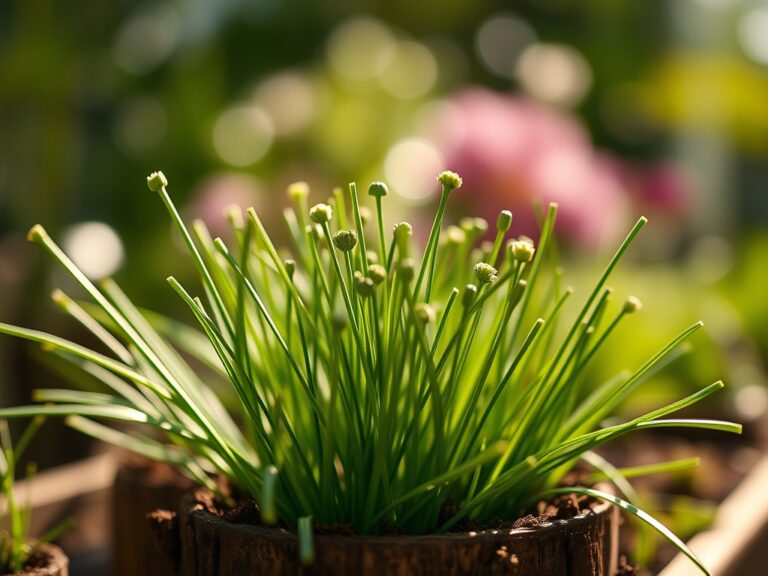
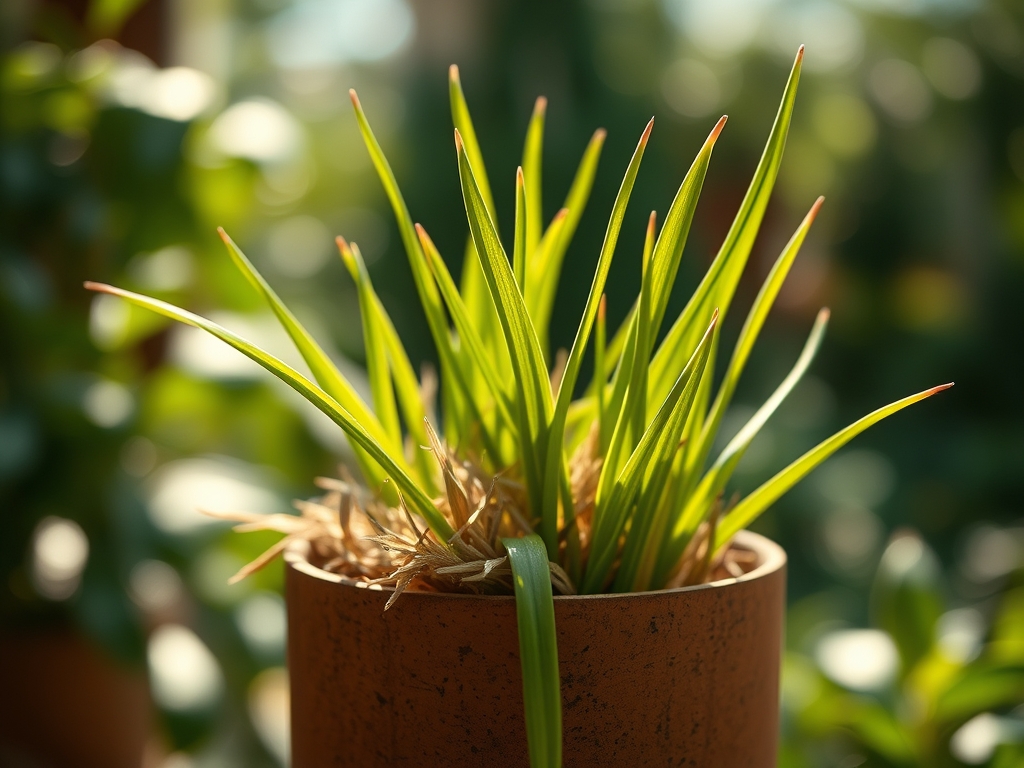
Crushing a fresh leaf of Cymbopogon citratus releases a sharp, citrus scent that indicates high concentrations of citral and geraniol. This aromatic grass relies on high turgor pressure to maintain its upright, architectural form. Mastering how to grow lemongrass in an indoor pot requires an understanding of its tropical origins; specifically its demand for high solar radiation and consistent thermal stability. Successful indoor cultivation hinges on replicating a humid, equatorial microclimate within the confines of a controlled domestic environment.
Materials:
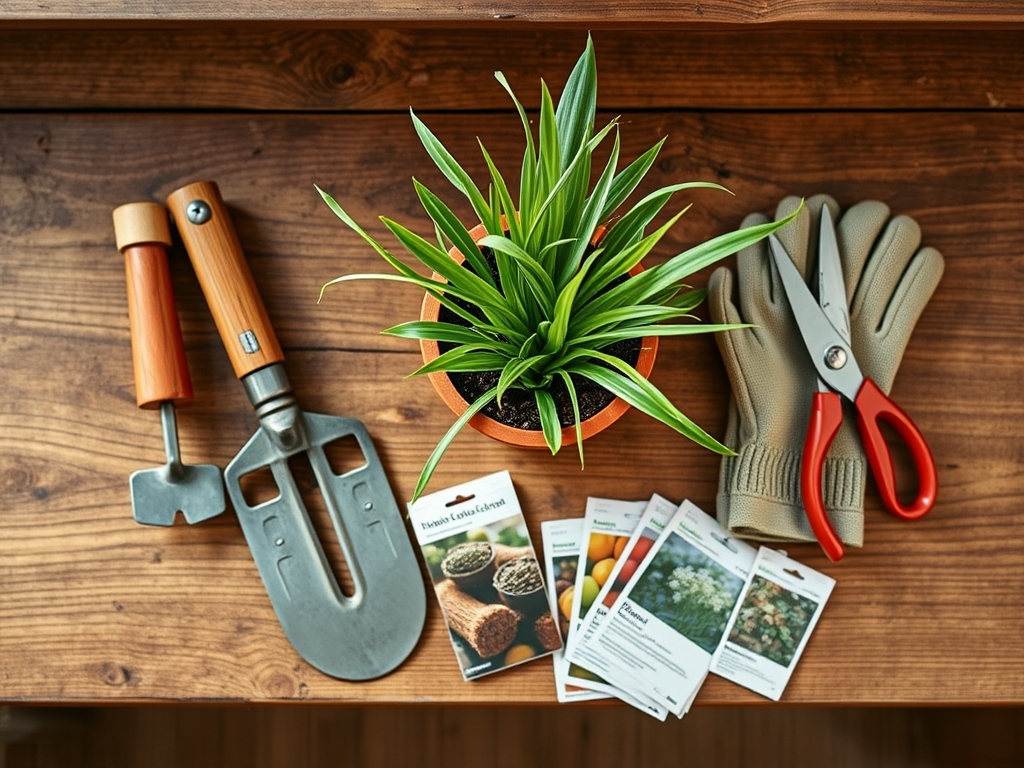
The foundation of a healthy indoor lemongrass plant is the substrate. You must use a friable loam that allows for rapid drainage while maintaining a high Cation Exchange Capacity (CEC). A mixture of two parts sterilized potting soil, one part perlite, and one part composted organic matter is ideal.
Maintain a soil pH between 6.5 and 7.0. Lemongrass is sensitive to acidic conditions which can lead to aluminum toxicity. For nutritional inputs, select a fertilizer with an NPK ratio of 10-5-5. The high nitrogen content supports the rapid elongation of the leaf blades and the expansion of the fibrous root system. Avoid heavy clay soils; these cause anaerobic conditions in the rhizosphere, leading to root decay. Your container must have a minimum diameter of 12 inches and a depth of at least 10 inches to accommodate the expanding rhizome clump.
Timing:
Lemongrass is a perennial in USDA Hardiness Zones 10 through 11. When grown indoors, the plant is shielded from frost, but it remains tethered to a biological clock governed by the photoperiod. The transition from the vegetative stage to the reproductive stage is rare in indoor settings due to insufficient light intensity; however, the growth rate slows significantly when daylight drops below 12 hours.
Start your indoor pots in early spring, ideally 2 to 4 weeks before the last local frost date, to capitalize on the increasing natural light. This timing aligns with the plant's peak metabolic window. During the winter months, the plant enters a semi-dormant state where transpiration slows and nutrient uptake decreases. Monitor the ambient temperature strictly; lemongrass growth ceases if the soil temperature falls below 55 degrees Fahrenheit.
Phases:
Sowing and Propagation
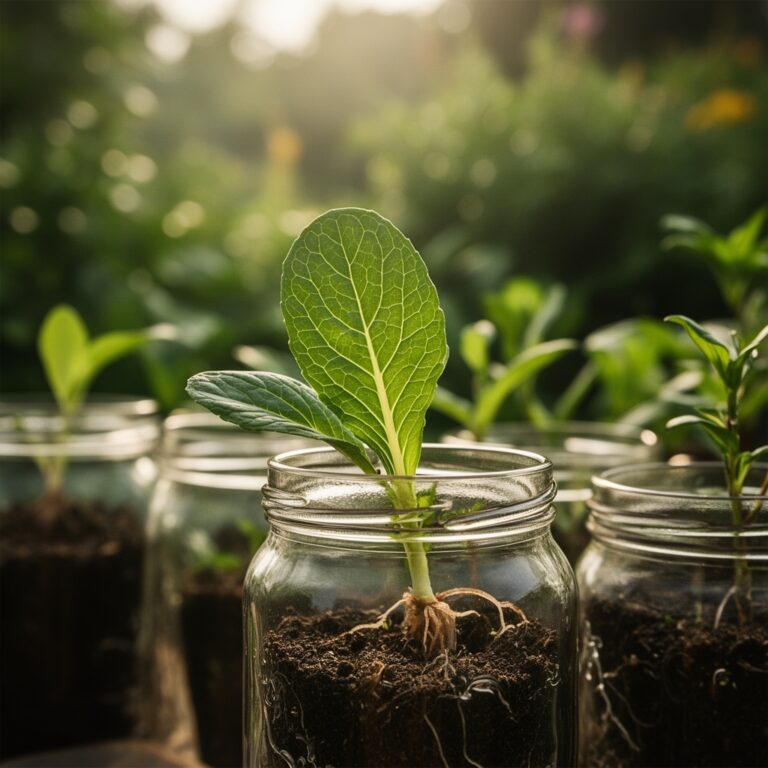
Most indoor lemongrass is started from culinary stalks or divisions rather than seeds. Select a stalk with a firm, intact basal plate. Place the bottom two inches of the stalk in a vessel of filtered water. Change the water every 48 hours to prevent bacterial bloom.
Pro-Tip: Once roots reach one inch in length, transplant immediately. This prevents "water roots" from struggling to adapt to the higher mechanical resistance of soil. This transition is critical for maintaining auxin flow, the hormone responsible for root elongation and apical dominance.
Transplanting
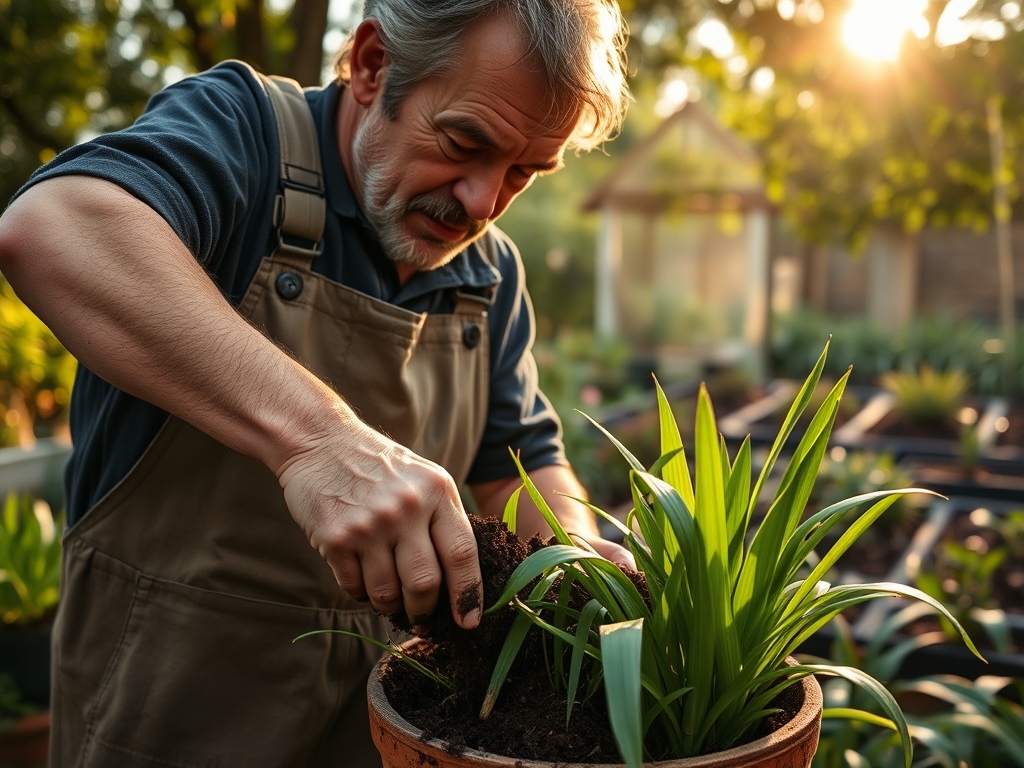
When moving the rooted stalk to its permanent pot, create a small mound in the center of the container. Spread the roots radially over the mound. Cover with substrate until the base of the stalk is buried two inches deep. Firm the soil to eliminate large air pockets that can desiccate emerging root hairs.
Pro-Tip: Inoculate the soil with mycorrhizal fungi during transplanting. This symbiotic relationship expands the surface area of the root system, significantly increasing the plant's ability to uptake phosphorus and micronutrients in a restricted pot environment.
Establishing
During the first 21 days, keep the soil consistently moist but not saturated. Place the pot in a south-facing window where it receives at least 6 to 8 hours of direct sunlight. If natural light is insufficient, supplement with a full-spectrum LED grow light positioned 12 inches above the canopy.
Pro-Tip: Rotate the pot 90 degrees every week. This prevents extreme phototropism, where the plant leans excessively toward the light source, causing structural instability and uneven distribution of chlorophyll.
The Clinic:
Physiological disorders in indoor lemongrass are often the result of environmental stressors rather than pathogens.
Symptom: Yellowing of lower leaves (Chlorosis).
Solution: This is typically a Nitrogen deficiency. Apply a water-soluble 10-5-5 fertilizer at half strength. Ensure the soil temperature is above 60 degrees Fahrenheit, as cold soil inhibits nitrogen mineralization.
Symptom: Brown, crispy leaf tips.
Solution: This indicates low humidity or salt accumulation from tap water. Flush the pot with distilled water until it runs freely from the drainage holes. Increase local humidity to 50 percent using a tray of wet pebbles.
Symptom: Soft, mushy base of the stalk.
Solution: This is a sign of root rot caused by anaerobic soil conditions. Reduce watering frequency immediately. Ensure the pot is not sitting in standing water in a saucer.
Fix-It: Magnesium Deficiency. If you see interveinal chlorosis (yellowing between green veins), apply one tablespoon of Epsom salts dissolved in a gallon of water. Magnesium is the central atom in the chlorophyll molecule; without it, photosynthesis fails.
Maintenance:
Precision is required for long-term health. Use a soil moisture meter to ensure the substrate is dry to a depth of one inch before re-watering. On average, an established indoor lemongrass plant requires 1.5 inches of water per week, delivered directly to the soil surface to avoid wetting the foliage.
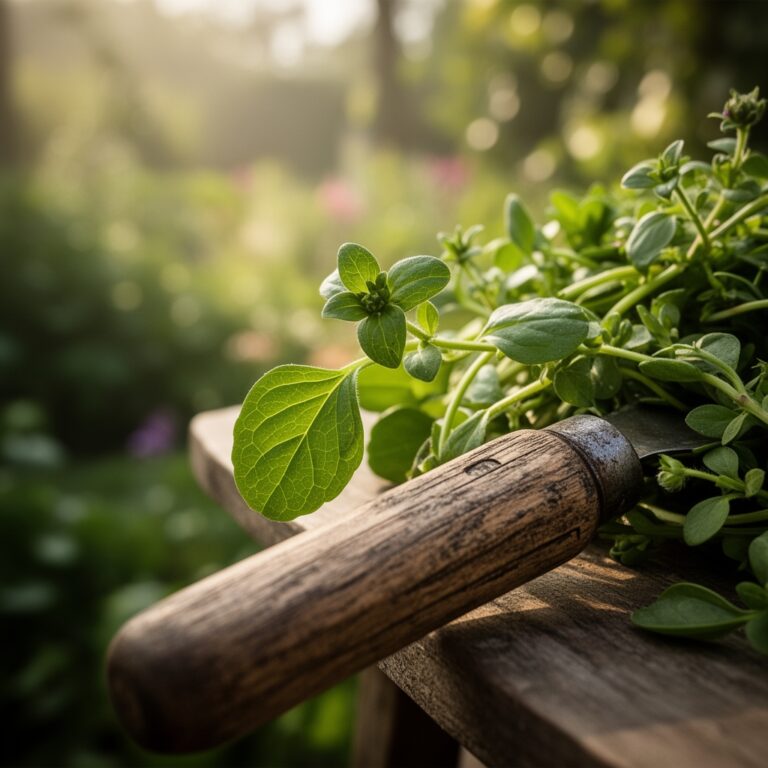
Pruning is essential for air circulation. Use sharp bypass pruners to remove dead outer leaves at the base of the plant. If the clump becomes too dense, use a hori-hori knife to slice through the root ball and divide the plant. This rejuvenation should occur every two years to prevent the plant from becoming root-bound, which leads to stunted growth and reduced essential oil production.
The Yield:
Harvesting can begin once the stalks reach a diameter of half an inch. Use a sharp knife to cut the stalk at the soil line, or gently pull the entire stalk away from the main clump. Do not harvest more than one-third of the plant at a time to ensure the rhizome has enough photosynthetic surface area to recover.
Post-harvest, trim the green leafy tops and the woody base. Wrap the succulent stalks in a damp paper towel and store them in a sealed bag in the refrigerator. This method maintains cell turgidity and preserves the volatile oils for up to three weeks. For long-term storage, stalks can be frozen or dried, though drying results in a significant loss of the bright, citrus top notes.
FAQ:
How much sun does indoor lemongrass need?
Lemongrass requires a minimum of six hours of direct sunlight daily. In northern latitudes or dim apartments, supplement with full-spectrum grow lights for 12 to 14 hours to maintain active vegetative growth and prevent dormancy.
What is the best pot size for lemongrass?
Start with a 12-inch diameter pot that holds at least three to five gallons of soil. Lemongrass expands via rhizomes; a pot that is too small will restrict root growth and lead to rapid soil desiccation.
How often should I fertilize indoor lemongrass?
Apply a balanced, nitrogen-rich liquid fertilizer every four weeks during the spring and summer. Reduce frequency to every eight to ten weeks during winter months when the plant's metabolic rate and nutrient demand naturally decrease.
Can I grow lemongrass from store-bought stalks?
Yes. Select the freshest stalks available with the basal plate intact. Trim the tops and place the bottom two inches in water. Roots typically emerge within 7 to 14 days if kept in a warm, bright location.