5 Best Ways How to Climate Smart Garden
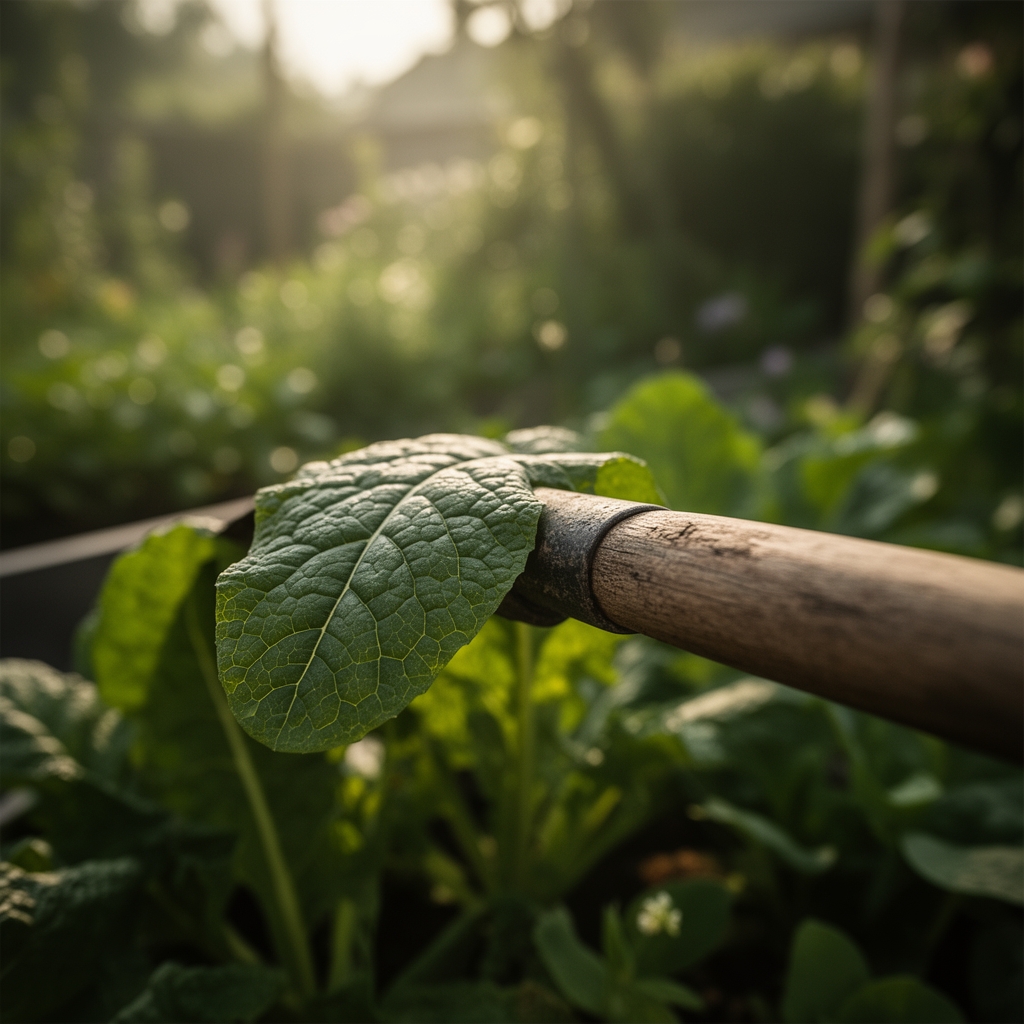
Climate-smart gardening transforms conventional horticultural practices into resilient food systems that withstand drought, flooding, and temperature extremes while sequestering atmospheric carbon. Learning how to climate smart garden means selecting regionally adapted cultivars, amending soil to maximize its water-holding capacity, and timing every planting decision around microclimatic conditions rather than calendar averages. This approach reduces irrigation demands by 40 to 60 percent compared to traditional row gardens while improving yields through enhanced mycorrhizal networks and strategic polyculture design.
Materials
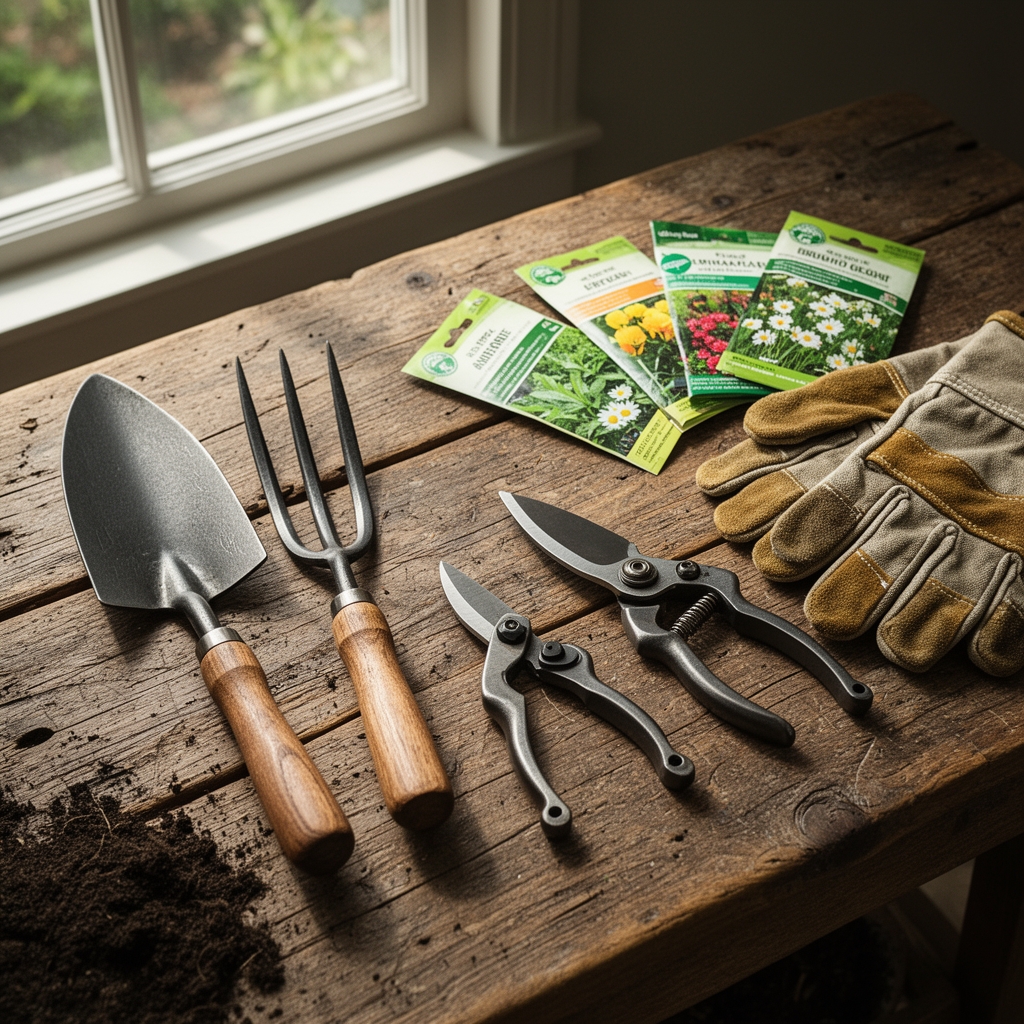
Soil pH determines nutrient availability more than any other factor. Test your baseline pH before amendments. Most vegetable crops thrive between 6.2 and 6.8, where iron, manganese, and phosphorus remain soluble. For acidic soils (below 6.0), incorporate dolomitic limestone at 5 pounds per 100 square feet to raise pH by approximately 0.5 units. For alkaline soils (above 7.2), add elemental sulfur at 1 pound per 100 square feet or work in 3 inches of aged pine bark mulch.
Climate-smart amendments prioritize carbon storage. Apply a 4-4-4 NPK organic meal derived from feather meal (nitrogen), bone meal (phosphorus), and greensand (potassium) at 2 pounds per 100 square feet annually. Combine this with 2 inches of thermophilic compost to boost cation exchange capacity to 15 meq/100g or higher. Biochar at 10 percent by volume increases water retention by 18 percent while providing habitat for beneficial bacteria. Inoculate transplants with endo-mycorrhizal fungi (Rhizophagus irregularis) at 1 gram per plant to extend effective root zones by 200 to 700 percent.
For mulch, use 4 inches of arborist wood chips rather than dyed commercial products. This creates a slow-release nitrogen cycle as the lignin decomposes and moderates soil temperature swings by 8 to 12 degrees Fahrenheit.
Timing
Hardiness zones provide baseline data, but microclimates within a single property can span two zones. Install a min-max thermometer at soil level in your planting beds to track actual overnight lows. The last spring frost date marks the safe threshold for tender annuals like tomatoes and peppers, but brassicas tolerate soil temperatures down to 40 degrees Fahrenheit and germinate optimally at 60 to 65 degrees.
For Zone 5, transplant tomatoes May 15 to June 1. For Zone 7, the window opens April 10 to May 1. Succession planting of heat-tolerant greens (Lactuca sativa 'Jericho', Brassica rapa 'Komatsuna') every 18 days from March through May ensures continuous harvest as temperatures climb. Fall crops require back-calculation: if your first fall frost arrives October 15, sow carrots by August 1 (75 days to maturity) and kale by August 20 (55 days).
Climate instability demands flexible scheduling. Monitor 10-day forecasts and have row cover (0.55 oz/sq yd spunbond fabric) ready to protect against unseasonable freezes or hailstorms.
Phases
Sowing
Direct-seed drought-adapted crops like beans, squash, and okra when soil reaches 65 degrees Fahrenheit at 2-inch depth. Plant seeds at twice their diameter in depth. For large-seeded legumes, inoculate with Rhizobium bacteria specific to the crop family. Press seeds firmly into contact with soil to ensure capillary water movement.
Pro-Tip: Coat large seeds (beans, peas, cucurbits) with a slurry of 1 part mycorrhizal inoculant to 3 parts water. This delivers 10^6 propagules directly to the germination zone.
Transplanting
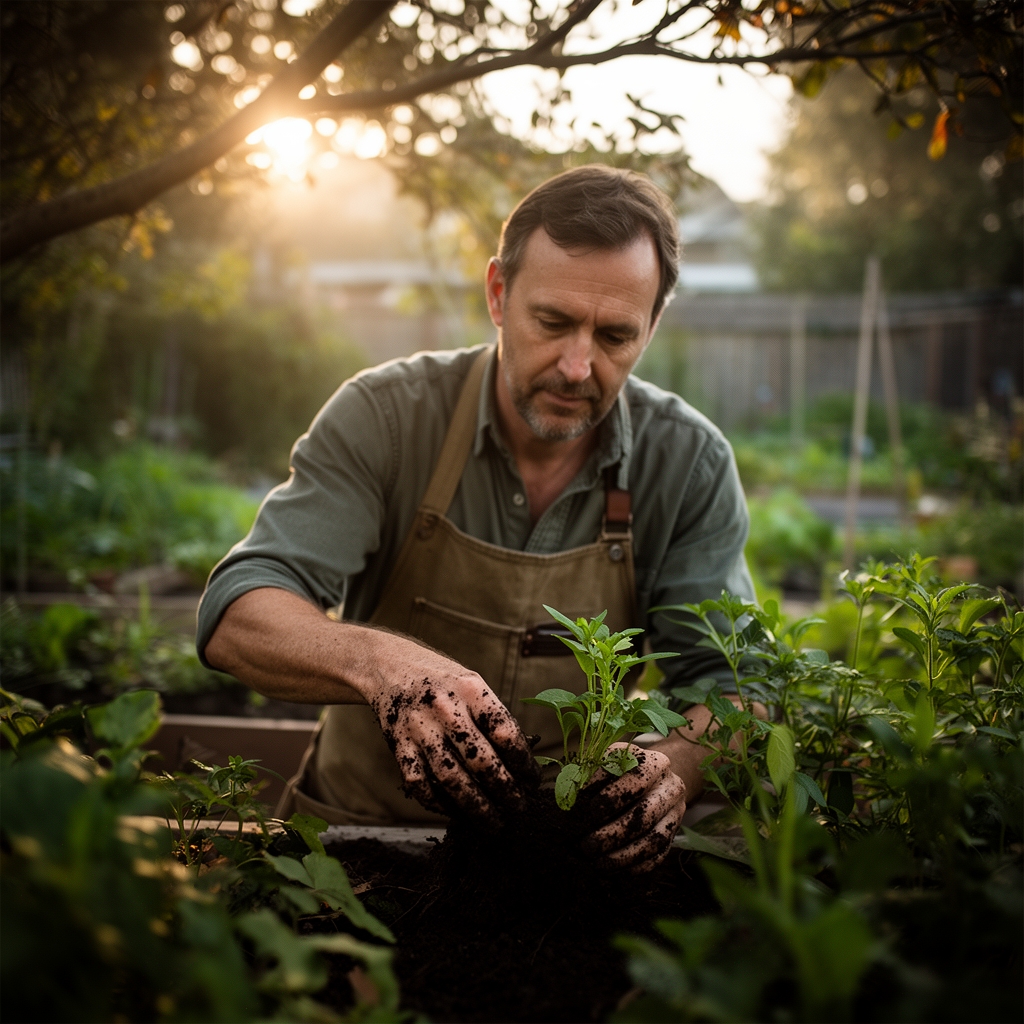
Harden off greenhouse seedlings over 7 days by reducing water by 30 percent and exposing plants to outdoor conditions for progressively longer intervals. Transplant on overcast days or in late afternoon to minimize transplant shock. Dig holes 1.5 times the root ball diameter. Set transplants at the same depth they grew in containers, except for tomatoes: bury stem up to the first true leaves to encourage adventitious rooting along the buried internode.
Water immediately with a starter solution: 1 tablespoon of 4-4-4 fertilizer dissolved in 1 gallon of water, applied at 1 cup per plant.
Pro-Tip: For solanaceous crops (tomatoes, peppers, eggplants), prune the lowest branch at a 45-degree angle before transplanting. This reduces early blight contact from soil splash and redirects auxin distribution toward terminal growth.
Establishing
Stake indeterminate tomatoes within 48 hours of transplanting to avoid root disturbance later. Use 6-foot stakes driven 12 inches into soil. Mulch immediately with 3 inches of straw to suppress weeds and conserve moisture. Monitor soil moisture at 4-inch depth; transplants need consistent hydration for the first 14 days as roots extend into native soil.
Pro-Tip: Install drip irrigation on 12-inch centers before mulching. This delivers water directly to the root zone at 0.6 gallons per hour per emitter, reducing foliar disease and water waste by 50 percent compared to overhead sprinklers.
Troubleshooting
Symptom: Interveinal chlorosis on new growth.
Solution: Iron deficiency, common in alkaline soils. Foliar spray with chelated iron (Fe-EDDHA) at 0.5 oz per gallon weekly until greening resumes.
Symptom: Blossom end rot (sunken, leathery black spots on tomato or pepper fruits).
Solution: Calcium uptake disruption from inconsistent watering. Maintain soil moisture at 60 to 70 percent field capacity. Side-dress with gypsum (calcium sulfate) at 1 cup per plant.
Symptom: Powdery white fungal coating on cucurbit leaves.
Solution: Powdery mildew (Podosphaera xanthii). Spray with 1 tablespoon baking soda plus 1 tablespoon horticultural oil per gallon of water every 5 days. Increase air circulation by pruning overcrowded vines.
Symptom: Slow growth, purplish leaf undersides in young plants.
Solution: Phosphorus deficiency or cold soil below 55 degrees. Apply liquid fish emulsion (5-1-1 NPK) at label rate. Warm soil with black plastic mulch.
Symptom: Holes in leaves, slime trails at dawn.
Solution: Slug herbivory. Trap under boards, remove by hand at dawn. Apply iron phosphate bait (Ferramol) at 1 lb per 1,000 square feet if populations exceed 4 per square yard.
Maintenance
Irrigate deeply once per week to encourage roots to 12-inch depth rather than shallow daily watering. Deliver 1 inch of water per week measured with a rain gauge. In clay soils, split this into two 0.5-inch applications to prevent runoff.
Side-dress heavy feeders (tomatoes, corn, brassicas) with 2 tablespoons of 4-4-4 fertilizer per plant every 4 weeks during active growth. Scratch into the top 2 inches of soil 6 inches from the stem.
Prune suckers from indeterminate tomatoes weekly by pinching shoots emerging from leaf axils. This directs energy toward fruit production rather than vegetative mass.
Monitor for pest larvae every 3 days. Hand-pick hornworms, squash beetles, and aphid colonies. Biological controls like Bacillus thuringiensis (Bt) target caterpillars at 1 tablespoon per gallon, applied at dusk.
Replenish mulch to maintain 3 to 4 inches as wood chips decompose. This suppresses 90 percent of annual weed germination and moderates soil temperature.
FAQ
What makes a garden climate-smart?
Climate-smart gardens reduce greenhouse gas emissions through carbon sequestration in soil organic matter, minimize synthetic inputs, use 40 to 60 percent less water via drip irrigation and mulch, and select drought- and disease-resistant cultivars adapted to local conditions.
Which crops handle heat and drought best?
Amaranth, okra, cowpeas, Armenian cucumber, and Malabar spinach tolerate soil temperatures above 85 degrees and require 30 percent less water than lettuce or peas. Their deep taproots access subsoil moisture.
How does biochar improve climate resilience?
Biochar increases soil water-holding capacity by 18 percent, provides surface area for beneficial microbes, and stores carbon for centuries. Apply at 10 percent by volume, mixed into the top 6 inches.
When should I plant fall crops?
Count backward from your first fall frost date. Add 14 days for declining light intensity. For a 60-day crop and October 10 frost, sow by August 1.
Can I climate-smart garden in containers?
Yes. Use 15-gallon fabric pots with a mix of 40 percent compost, 30 percent coconut coir, 20 percent perlite, and 10 percent biochar. Drip irrigation on timers delivers precise water volumes and reduces evaporation loss by 70 percent compared to hand watering.