5 Best Chamomile Indoor Tea Tips
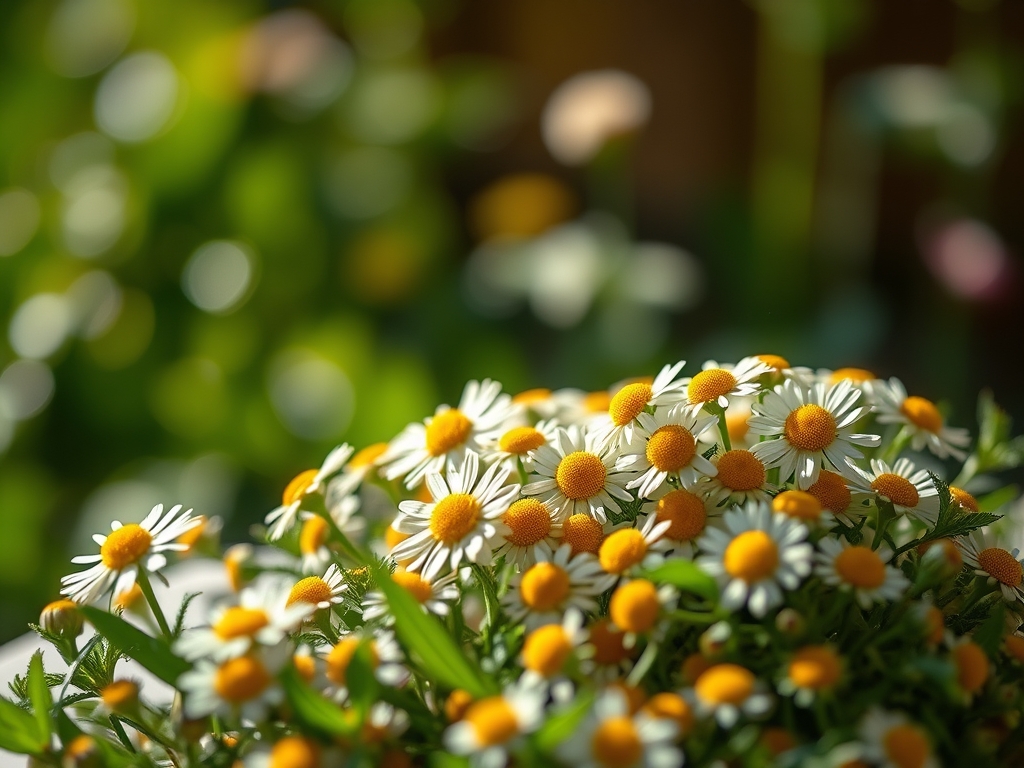
Crushing a dried flower head between your fingers releases a sharp scent of bisabolol and crisp apple; this is the physical marker of high-quality Matricaria chamomilla. Successful cultivation requires more than just a sunny windowsill; it demands precise control over the rhizosphere and light spectrum. To maximize your harvest, you must master the best chamomile indoor tea tips, starting with the maintenance of cellular turgor through consistent hydration and mineral balance. Indoor environments often lack the natural airflow and ultraviolet intensity of the field, making technical intervention necessary for essential oil production.
German chamomile (Matricaria chamomilla) is an annual that relies on rapid vegetative growth followed by a heavy flowering cycle. Roman chamomile (Chamaemelum nobile) is a perennial groundcover that requires different root space management. Both species demand a substrate with high porosity to prevent root hypoxia. When growing indoors, you are the primary regulator of the plant's metabolic rate. You must balance light intensity with nutrient availability to ensure the flowers contain the concentrated flavonoids required for a potent infusion. This guide provides the technical framework to turn a small indoor space into a productive botanical laboratory.
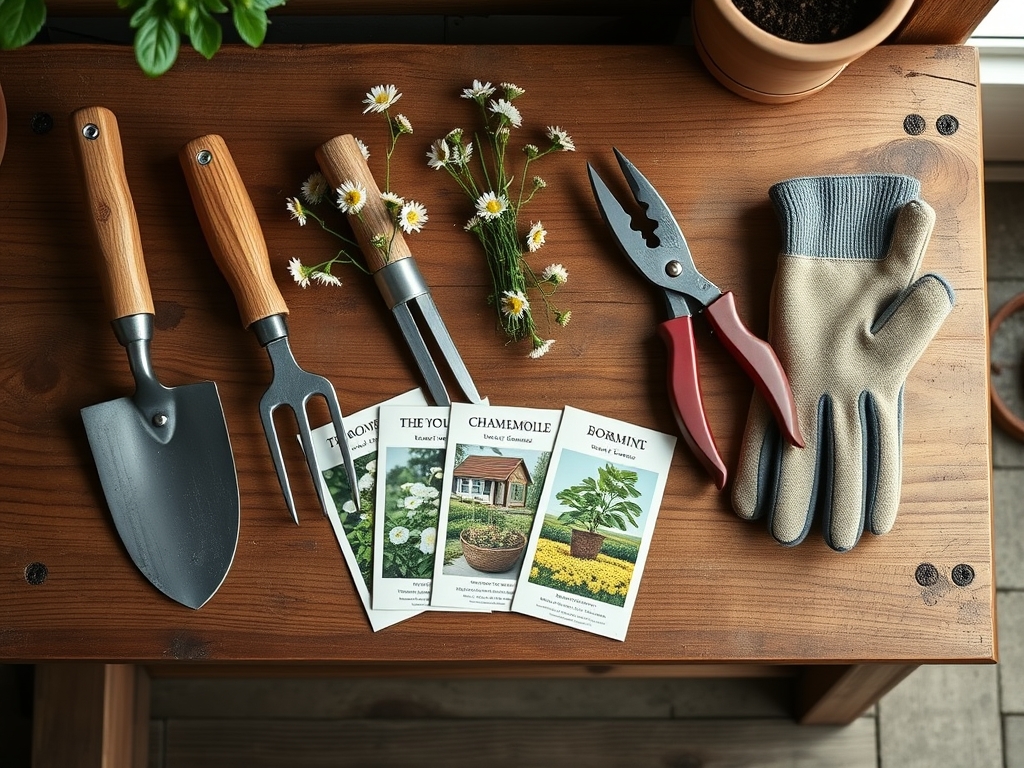
Materials:
The foundation of indoor chamomile is a friable loam with a high sand or perlite content to ensure rapid drainage. Chamomile prefers a soil pH between 6.0 and 7.5. If the pH drops below 5.5, the Cation Exchange Capacity (CEC) is compromised; this prevents the plant from absorbing critical magnesium and calcium ions. Use a growing medium composed of 60% peat or coco coir, 20% perlite, and 20% sterilized compost.
Nutrient management must be precise. During the initial vegetative stage, apply a fertilizer with an NPK ratio of 10-10-10 to build structural biomass. Once the plant reaches six inches in height, transition to a 5-10-10 or 0-10-10 ratio. High phosphorus (P) and potassium (K) levels are essential for flower development and the synthesis of terpenoids. Avoid high nitrogen late in the cycle; excess nitrogen encourages succulent leaf growth at the expense of flower production and can make the plant more susceptible to sap-sucking insects.
Timing:
Chamomile is traditionally suited for Hardiness Zones 4 through 9, but indoor cultivation bypasses these regional constraints by manipulating the photoperiod. The "Biological Clock" of chamomile is triggered by day length. It is a long-day plant, meaning it requires 14 to 16 hours of light to transition from the vegetative stage to the reproductive (flowering) stage.
If you are starting from seed, allow six to eight weeks of growth before you expect the first flower buds. In a controlled indoor setting, you can initiate sowing at any time of year, provided you can maintain a consistent ambient temperature of 60 to 68 degrees Fahrenheit. Lower night temperatures (around 55 degrees) can actually improve the concentration of essential oils by slowing down the plant's respiration rate, allowing it to preserve more carbon for secondary metabolite production.
Phases:

Sowing
Chamomile seeds are photoblastic; they require light to germinate. Surface-sow the seeds onto pre-moistened substrate and press them lightly to ensure contact. Do not cover them with soil. Maintain a germination temperature of 65 to 70 degrees Fahrenheit. Use a fine mist to keep the surface damp without dislodging the seeds.
Pro-Tip: This light requirement is a biological mechanism to ensure the tiny seeds have enough energy to reach the surface before their endosperm reserves are exhausted. Use a full-spectrum LED grow light positioned 12 inches above the tray to provide the necessary photons for cellular activation.
Transplanting
When seedlings develop two sets of true leaves, they are ready for individual containers. Use a 4-inch to 6-inch deep pot to accommodate the taproot system of German chamomile. Ensure the container has multiple drainage holes. When moving the plant, handle only the root ball to avoid damaging the delicate stem tissue.
Pro-Tip: During transplanting, inoculate the soil with mycorrhizal fungi. This symbiotic relationship increases the surface area of the root system, enhancing the uptake of phosphorus and water, which is critical for maintaining turgor pressure during the transition stress.
Establishing
Once transplanted, the plant enters a rapid growth phase. Maintain a distance of 8 to 12 inches between the canopy and your light source. If the plant becomes "leggy" or stretched, it is a sign of insufficient light intensity, leading to weakened cell walls and poor structural integrity.
Pro-Tip: Pinch back the central leading stem once the plant reaches five inches. This suppresses apical dominance by redirecting auxins to lateral buds. This results in a bushier plant with more flowering sites, significantly increasing your total yield per square foot.
The Clinic:
Monitoring physiological health is vital for maintaining a productive indoor garden. Observe the leaves and stems daily for signs of metabolic distress.
- Symptom: Interveinal Chlorosis (Yellowing between leaf veins).
- Solution: This typically indicates a magnesium deficiency or a pH imbalance. Check the soil pH first. If the pH is within the 6.0 to 7.0 range, apply a 0.5% magnesium sulfate (Epsom salt) solution as a foliar spray to bypass root uptake issues.
- Symptom: Leaf Tip Burn or Necrosis.
- Solution: This is often caused by fertilizer salt buildup in the substrate, which increases the osmotic pressure and prevents water uptake. Flush the soil with distilled water equal to three times the volume of the pot to leach out excess salts.
- Symptom: Powdery White Residue on Foliage.
- Solution: This fungal pathogen thrives in stagnant air. Increase ventilation using a small oscillating fan and reduce the relative humidity to below 50%. Remove heavily infected leaves with sterilized bypass pruners.
Maintenance:
Precision watering is the most important factor in indoor chamomile success. Use a soil moisture meter to ensure the substrate is dry to a depth of 1.0 inch before re-watering. On average, chamomile requires approximately 1.5 inches of water per week, delivered directly to the base of the plant to keep the foliage dry.
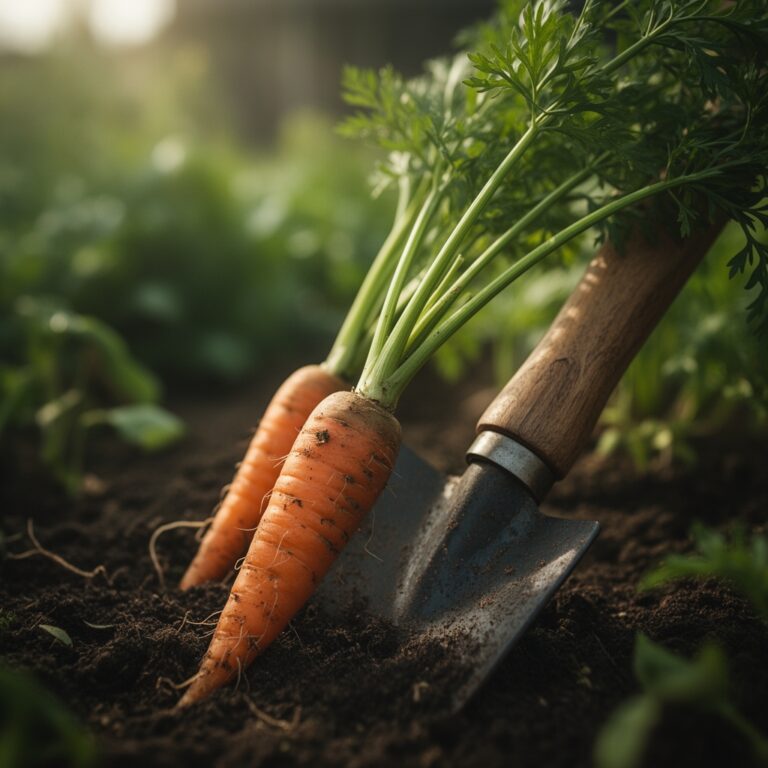
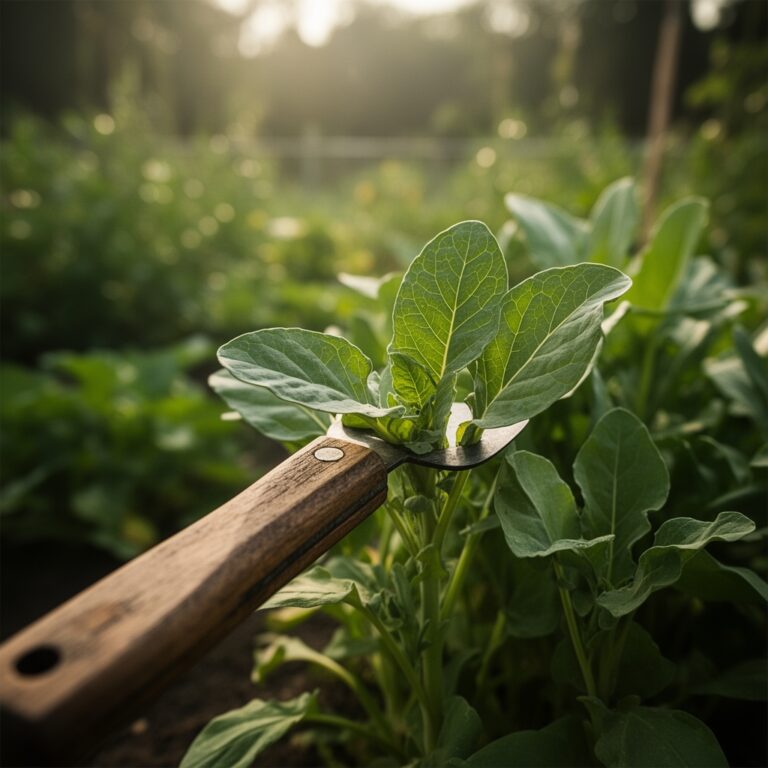
Use a hori-hori knife to gently aerate the top half-inch of soil every two weeks; this prevents surface crusting and ensures oxygen reaches the rhizosphere. If you notice the plant becoming root-bound, which is common in smaller indoor pots, increase the frequency of dilute liquid fertilization to compensate for the limited soil volume. Monitor the light duration strictly; use an automatic timer to ensure a consistent 16-hour photoperiod for maximum flower induction.
The Yield:
Harvesting should occur when the flower petals (ray florets) are level or beginning to droop back from the yellow center (disk florets). This is the point of peak essential oil concentration. Use sharp bypass pruners to snip the flower heads in the morning, shortly after the lights turn on, when the plant's metabolic activity is highest.
Post-harvest handling is critical for "day-one" freshness. Place the harvested heads on a fine mesh screen in a dark, well-ventilated area with a temperature between 70 and 80 degrees Fahrenheit. Avoid direct sunlight during drying, as UV rays degrade the volatile oils like chamazulene. Once the flowers are brittle to the touch (usually 3 to 5 days), store them in an airtight glass container away from heat sources to preserve their chemical profile.
FAQ:
How much light does indoor chamomile need?
Chamomile requires 14 to 16 hours of high-intensity light daily. Use full-spectrum LED or fluorescent grow lights positioned 12 inches above the canopy to simulate summer conditions and trigger the reproductive flowering phase.
What is the best soil for indoor chamomile?
Use a well-draining, friable loam with a pH between 6.0 and 7.5. A mix of 60% peat, 20% perlite, and 20% compost provides the necessary aeration and Cation Exchange Capacity for nutrient uptake.
How often should I water indoor chamomile?
Water when the top 1.0 inch of soil feels dry. Aim for approximately 1.5 inches of water per week. Use a moisture meter to avoid overwatering, which leads to root hypoxia and fungal pathogens.
Why is my chamomile not flowering?
Lack of flowers is usually due to insufficient light duration or excess nitrogen. Ensure the plant receives at least 14 hours of light and switch to a high-phosphorus fertilizer (NPK 5-10-10) to encourage bud formation.