10 Best Sustainable Floristry Tips
The scent of damp, anaerobic decomposition in a floral bucket signifies a failure in basic microbial management. True floristry begins in the rhizosphere; the root zone where biological health determines the turgor pressure of a cut stem. To master the best sustainable floristry tips, a designer must transition from a consumer of bulk imports to a steward of local botanical systems. Every stem represents a specific investment of nitrogen and water. When a bloom loses its cellular rigidity, it is a failure of vascular transport. Sustainable practice demands a technical understanding of plant physiology to extend vase life without relying on petroleum-based foams or synthetic preservatives. We prioritize the structural integrity of the xylem and the mitigation of ethylene gas. By selecting species adapted to local Cation Exchange Capacity (CEC) levels, we reduce the chemical load required for aesthetic perfection. This is not about aesthetics alone; it is about the physics of fluid dynamics within a severed stalk and the chemistry of life cycles.
Materials:
The foundation of a sustainable floral garden is a **friable loam** with a crumbly, granular texture that allows for optimal gas exchange. For high-production cut flowers like *Zinnia elegans* or *Dahlia*, the soil must maintain a **pH between 6.0 and 7.0**. A specific **NPK ratio of 5-10-10** is preferred during the budding phase to prioritize floral development over vegetative biomass. High nitrogen levels (the first number) can lead to weak, succulent stems that collapse under the weight of the flower head. The soil should have a high Cation Exchange Capacity, ideally above **15 meq/100g**, to ensure that essential micronutrients like Boron and Manganese are available for cell wall synthesis. Avoid heavy clays that suffocate the root system or pure sands that leach nutrients too rapidly.
Timing:
Success is dictated by the United States Department of Agriculture (USDA) Hardiness Zones. In Zones 6 through 8, the window for spring ephemerals opens as soon as the soil temperature reaches a consistent 45 degrees Fahrenheit. The biological clock of a plant is governed by the photoperiod; the ratio of light to dark in a 24 hour cycle. Short-day plants will not initiate flowering until nights lengthen, while long-day plants require the peak sun of June. Understanding the transition from the vegetative stage (leaf production) to the reproductive stage (flowering) allows a florist to time harvests before the onset of senescence. For most woody perennials, the "softwood" stage in late spring provides the best turgor for cutting, whereas "hardwood" stems in autumn are too lignified for rapid water uptake.
Phases:
Sowing
Seeds should be sown at a depth of two to three times their diameter. Maintaining a consistent moisture level is critical until the radicle emerges. Over-watering at this stage leads to "damping off," a fungal infection of the hypocotyl.
Pro-Tip: Utilize the principle of Geotropism. Ensure seeds are oriented correctly if they are large (like Sunflowers) to minimize the energy the seedling spends reorienting its primary root downward and its shoot upward.
Transplanting
Move seedlings when they possess two sets of true leaves. The "hardening off" process involves gradual exposure to UV light and wind over 7 to 10 days. This prevents transplant shock, which is characterized by a temporary cessation of growth as the plant redirects energy to root establishment.
Pro-Tip: Inoculate the root ball with Mycorrhizal fungi. This symbiotic relationship expands the surface area of the root system by up to 100 times, significantly increasing the plant's ability to uptake phosphorus and water.
Establishing
During the first 21 days in the ground, the plant requires consistent hydration to build biomass. Support structures like horizontal netting (hortonova) should be installed early to ensure stems grow straight. Crooked stems are the result of Phototropism, where the plant bends toward the strongest light source.
Pro-Tip: Practice Apical Dominance suppression by pinching back the central lead stem. This redirects auxins to lateral buds, resulting in a bushier plant with more harvestable stems rather than one single, thick stalk.
The Clinic:
Physiological disorders often mimic infectious diseases but are rooted in environmental stress.
- Symptom: Interveinal Chlorosis (yellowing between green leaf veins).
Solution: This is often a Magnesium deficiency. Apply a foliar spray of Epsom salts (magnesium sulfate) at a rate of 1 tablespoon per gallon of water.
2. Symptom: Blossom End Rot or distorted new growth.
Solution: This indicates a Calcium deficiency. Ensure consistent watering; calcium is immobile in the plant and moves only through the transpiration stream. If the soil dries out, calcium cannot reach the growing tips.
3. Symptom: Stem Topple (wilting despite wet soil).
Solution: This is likely vascular occlusion caused by bacteria. Use clean snips and change vase water every 24 hours to prevent biofilm buildup.
Fix-It for Nitrogen Chlorosis: If the oldest leaves are turning a uniform pale yellow, the plant is scavenging nitrogen for new growth. Apply a high-nitrogen liquid fertilizer (like fish emulsion) with an NPK of 5-1-1 for a rapid "green-up."
Maintenance:
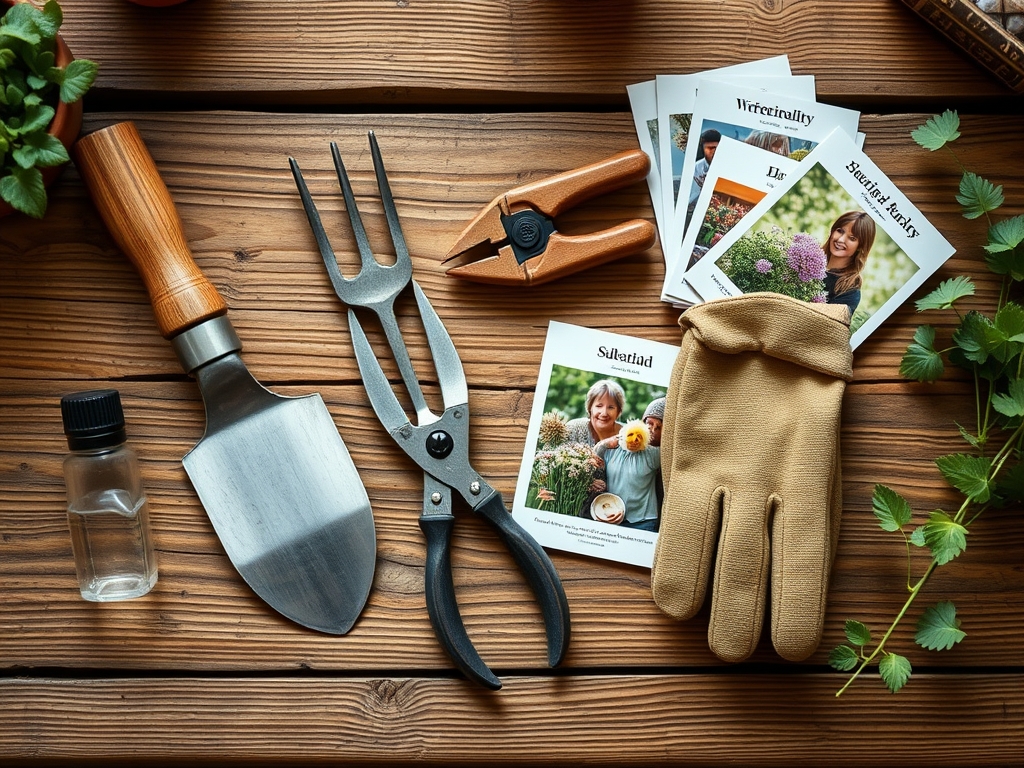
Precision maintenance prevents the need for heavy interventions. Plants require 1.5 inches of water per week, delivered via drip irrigation at the soil surface to keep foliage dry and prevent fungal spores from germinating. Use a soil moisture meter to verify that the root zone is hydrated to a depth of 6 inches. For pruning, use sharp bypass pruners to make clean cuts; dull blades crush the vascular bundles and invite decay. A hori-hori knife is essential for weeding and dividing perennials, allowing for deep vertical cuts that do not disturb the root systems of neighboring plants. Monitor the "drip line" (the outermost circumference of the plant's canopy) as this is where the most active "feeder roots" are located.
The Yield:
Harvesting should occur during the "cool of the day," specifically between 5:00 AM and 8:00 AM. At this time, the plant is at maximum turgidity. Stems harvested in the heat of the afternoon are under moisture stress and will wilt almost immediately. Use the "squeeze test" for roses; the bud should feel like a firm marshmallow. For spike flowers like Snapdragons, harvest when the bottom one-third of the florets are open. Immediately plunge stems into clean, 110 degree Fahrenheit water. This warm water contains less dissolved oxygen and moves more quickly up the xylem. Place the buckets in a cool, dark location for 4 hours to allow the plant to "harden off" before arranging. This process stops the clock on senescence and ensures "day-one" freshness for the consumer.
FAQ:
What is the best way to replace floral foam?
Use reusable mechanics like stainless steel chicken wire or "frogs." These allow for superior water uptake and do not shed microplastics into the ecosystem. They provide structural stability for heavy stems without the chemical runoff associated with synthetic foams.
How do I prevent flowers from wilting quickly?
Maintain the vascular chain. Cut stems at a 45-degree angle under water or immediately before submerging. This prevents air bubbles (embolisms) from entering the xylem, which blocks water transport to the flower head and causes premature wilting.
Why are my flower stems turning mushy in the vase?
This is caused by bacterial proliferation. Remove all foliage that falls below the water line. Leaves submerged in water decay rapidly, creating a breeding ground for microbes that clog the stem's vascular system and accelerate the aging process.
How can I make my own sustainable flower food?
Mix 1 quart of water with 1 tablespoon of sugar (for carbohydrates) and 2 drops of bleach (to inhibit bacterial growth). Add a squeeze of lemon juice to lower the pH, which improves the flow of water through the stem.